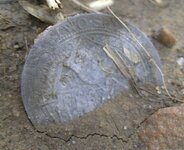
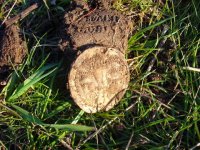
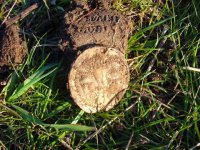
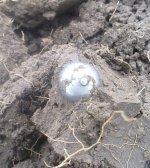
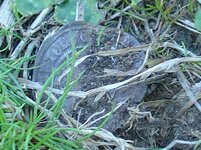
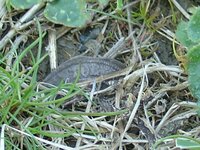
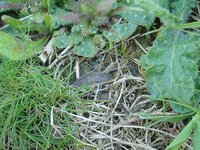
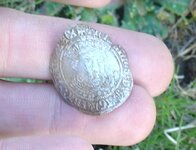
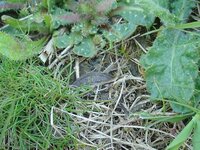
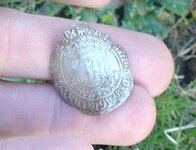
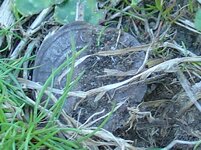
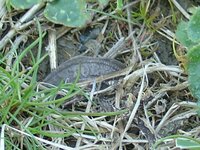
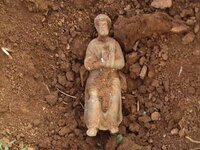
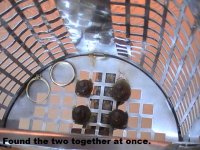
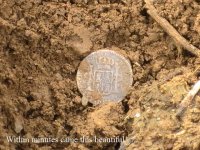
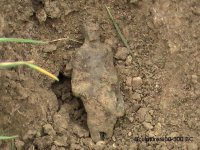
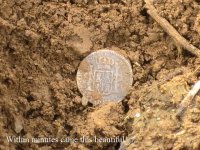
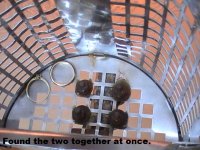
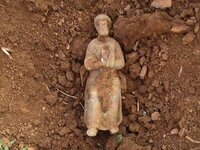
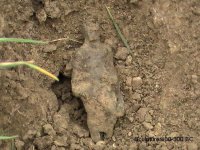
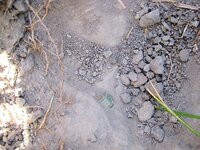
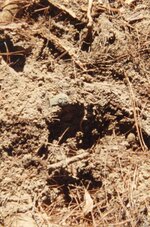
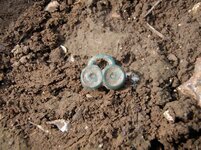
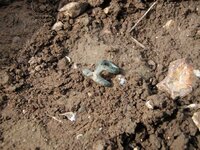
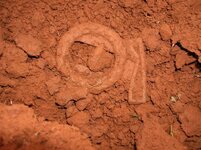
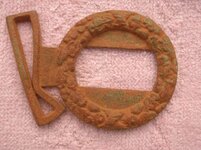
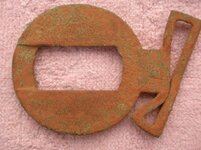
Over the years there has been some great pictures posted on Treasure Net of finds insitu or as you first put eyes on it , after a conversation I had with Kuger we thought it might be a good Idea to start a thread on it
Everbody can take part in this, pictures from past hunts, or from future hunts when you have one. Anything goe's within reason, (no pulltabs ) I will set things off with one you have seen many times...but my Best
It can also be none metalic..Like flints, Arrowheads finds
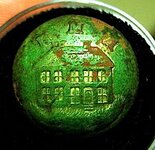
The stirrup ring is my all time favourite . The only picture I have is the nipple button I found the other day, I will try to remember to take pics in future .
hammered
That's a great picture, the find doesn't matter hopefully it might incourage more people to take pictures, of there finds in the ground
The trouble is SS, if it's a hammered or at least something I recognise as picture worthy, I get too excited and the next thing I know it's out of the ground. The next best thing I have are pictures of finds just out of the ground. I have taken pictures of finds insitu and they looked set-up, especially if the soil is crumbly, but that's probably down to my camera skills .
'No good comes from thinking about how much time we waste detecting, as wasted time is good soul time' - me 25/06/08
How do you find Gold coins? Reply: 'By finding lots of Silver ones..'
A real man thinks about detecting every 6 seconds
I am learning....I think it is a great idea and one that will lessen any concerns about finds, It is a good practice and one I will try my best to adhere to...Although, If I saw something like those coins sticking out of the ground, I'd have a momentary loss of my wits and snag it out real quick.
But again, a great idea ! thanks.
Button and Loop Fastener 1st century BC - 1st century AD
A button-and-loop fastener with a double-boss head and heavy ring-loop. The type is believed to be of native British manufacture, and made during the pre-Roman period or the early years of the Roman occupation. The bosses are recessed and pierced at the centre, and probably held coral or other decorative inserts. Their outside diameters are decorated with lines of pellets, moulded in relief, on opposite sides of each boss