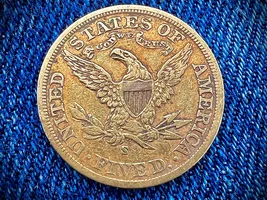
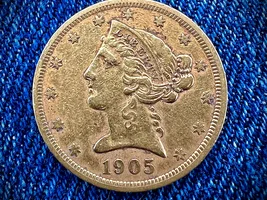
I'm still invested in real estate, but not as keen on it as I once was. Raw land is tricky to buy and costly to hold, and tenants are problematic to say the least. Bad ones are bad, of course, but even good ones can be a bit of a hassle. After a while they can turn into almost relatives: they take good care of your property, and you grow to like and trust them, but you feel you have to cut them some slack or help them out, or even just hang on to the place longer than you'd like. Have you noticed the crazy prices in the fine art market? I think it's caused by the truly rich trying to get out of their fiat as much as anything else. The higher the price, the more the transaction makes sense for them. For the rest of us, PMs may be a sensible option.
It really is tough, there are so many things now that can ruin you day with land and rentals. When you look around here raw land is still expensive, the downturn did't bring the price down to what I feel should be the normal price range. And every time you turn around a new fee or tax is levied because individual landowners are the first source of gov income.
And then there are tenants, most are great, but now and then you have a nightmare.
Real Estate was a no brainer when easy money caused the prices to skyrocket. But I am not sure that the real bottom has been seen here yet. Not until some serious changes have been made. Here is part of our problem.
Bid to replace Fannie Mae and Freddie Mac gets a needed push - The Washington Post
[h=1]"Bid to replace Fannie Mae and Freddie Mac gets a needed push[/h]
[h=3]By
Editorial Board, Published: March 13[/h]
HOUSING FINANCE reform, the great unfinished business of the financial crisis, got a push forward Tuesday from the top Democrat and top Republican on the Senate banking committee. Chairman Tim Johnson (D-S.D.) and ranking member Mike Crapo (R-Idaho)
put forward a proposal to replace
Fannie Mae and Freddie Mac, which currently back three-fifths of all new home loans.
Instead of those two government-sponsored mortgage guarantors, which have been under direct federal control since their collapse in 2008, a new federal entity would, in return for a fee, insure private-sector mortgage securitizers against catastrophic losses. The private companies would put up 10 cents of their own money for every dollar of risk, and the federal insurance would cover losses above that stake, using accumulated insurance fees. This is roughly the
approach outlined last year by banking committee members Mark Warner (D-Va.) and Bob Corker (R-Tenn.); the Obama administration has signaled its support"
I think this proposal only scratches the surface of the real estate woes.