What's new

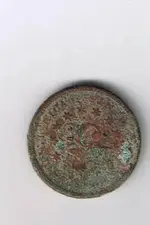
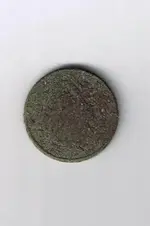
Calvert Texas pays agien, shield nickle

texan connection

Silver Member
Joined
Sep 3, 2006
Messages
4,565
Reaction score
79
Golden Thread
0
Location
Texas
Detector(s) used
Minlabe SE, ace 250, fisher 1280x
O.K. I broke the 1900 barrier with a shield nickle dated 1872, still cleaning it in vinager (any better ideas) This was a sidewalk dig, they are replacing some curves and dug about a 5 x 10 section of sidewalk and there it was 4 inches down, not bad for a 5 min detecting stop.
 

Attachments

  • shield nickle 2.webp
    shield nickle 2.webp
    7.9 KB · Views: 530
  • shiel nickle.webp
    shiel nickle.webp
    7.2 KB · Views: 511
Upvote 0
Will.Dig.For.Food said:
Excellent find Albert.

Try getting a 12 VDC power supply. Around 350 milliamps should do it. Test the supply for polarity. Strip some wire from the positive side, enough to go around the coin like a belt, wire it up and the strip an inch or so of the negative. Attach a weight of some sort, fishing sinker will work, to the negative side.

Put about 8 oz of water into a clear glass and add 1 teaspoon of salt. Stir well. Drop in both the wired coin and the sinker. MAKE SURE THEY DO NOT TOUCH UNDER WATER. You will see the crud begin to flake off of the coin after a minute or two. You can always increase the salt content a bit, but, I just add lemon juice if I need an extra kick to remove stubborn crud.

This is perfectly safe to you and the coin. I use it myself regularly. You will see the wired coin begin to fizzle. This is the reaction of electricity and sodium in the water. Once the crud is gone, some polishing should be a lot easier.

Don't worry if the power supply gets hot. That is the result of work being performed while the transformer runs at max capacity.

If it worries you then just unplug it for a bit to cool off.......

I used a supply that was 5 VDC and 1 Amp. It turned the salt water into a solution similar in texture and thickness to hair conditioner. It will not hurt the coin and even at that amperage the water will not change temperature that you can feel.

Low voltage DC and low Amperage DC. 350 milliamps is good enough. You can clean several coins before you must change the water. At 1 Amp I had to change the water before the coin was clean. Less is more....GL and HH

Laater...

Mike

Hey Mike is this method (safe) only for Copper-Nickel?

Paul
 
Great nickle!! That still has a lot of detail. Electrolysis doesn't do well with copper and nickle without having a ton of experience and ultra low current. Too much of the coin comes off. The soaking that you gave it was the best way to preserve the detail.

Rich
 
Looks great! Good luck in the future! I am Dave n Japan,but from Brenham! :) Maybe we can get together back there someday! I know a couple of places that may be really good!
 
very nice find congrats on getting into the 1800's good luck and hh
 
Aussie Okie said:
Will.Dig.For.Food said:
Excellent find Albert.

Try getting a 12 VDC power supply. Around 350 milliamps should do it. Test the supply for polarity. Strip some wire from the positive side, enough to go around the coin like a belt, wire it up and the strip an inch or so of the negative. Attach a weight of some sort, fishing sinker will work, to the negative side.

Put about 8 oz of water into a clear glass and add 1 teaspoon of salt. Stir well. Drop in both the wired coin and the sinker. MAKE SURE THEY DO NOT TOUCH UNDER WATER. You will see the crud begin to flake off of the coin after a minute or two. You can always increase the salt content a bit, but, I just add lemon juice if I need an extra kick to remove stubborn crud.

This is perfectly safe to you and the coin. I use it myself regularly. You will see the wired coin begin to fizzle. This is the reaction of electricity and sodium in the water. Once the crud is gone, some polishing should be a lot easier.

Don't worry if the power supply gets hot. That is the result of work being performed while the transformer runs at max capacity.

If it worries you then just unplug it for a bit to cool off.......

I used a supply that was 5 VDC and 1 Amp. It turned the salt water into a solution similar in texture and thickness to hair conditioner. It will not hurt the coin and even at that amperage the water will not change temperature that you can feel.

Low voltage DC and low Amperage DC. 350 milliamps is good enough. You can clean several coins before you must change the water. At 1 Amp I had to change the water before the coin was clean. Less is more....GL and HH

Laater...

Mike

Hey Mike is this method (safe) only for Copper-Nickel?

Paul

You can use it on bronze and brass too. Copper is the worst about caking with crud. I haven't used it on silver, because, I have only dug 2 silver coins and they just needed to be wiped off. The silvers I have seen posted usually come out clean enough to just soak and clean. I have also used it on steel, but, that kind of corrosion is much more difficult to clean with DC current.

What kind of metal did you want to clean with it? GL

Laater...
 

Users who are viewing this thread

Back
Top Bottom