Here is earlier 1880s picture where she had four lifeboats. by 1900 she only had two. Because earlier she also had passenger carrying role. For coastal passenger trade. She was designed as a small passenger cargo ship. And not bulk coal carrier in which she had become. the small passenger section at the rear. Crew accommodation at the bow, Like sailing ships of old. Masts that could have sails rigged up to them an 18501860s shipping design. . Coal bunker engines in the middle of the with two cargo holds front and rear of the bridge superstructure that sits over the engines. Accommodation for passenger 20 to 30 maximum. She was design for coastal trade rather than long ocean voyages. They would of had covered outdoor area on the stern. Saloon and Cabins. By 1900 coastal passenger trade was all but dead. railways had replaced coastal passenger shipping trade.

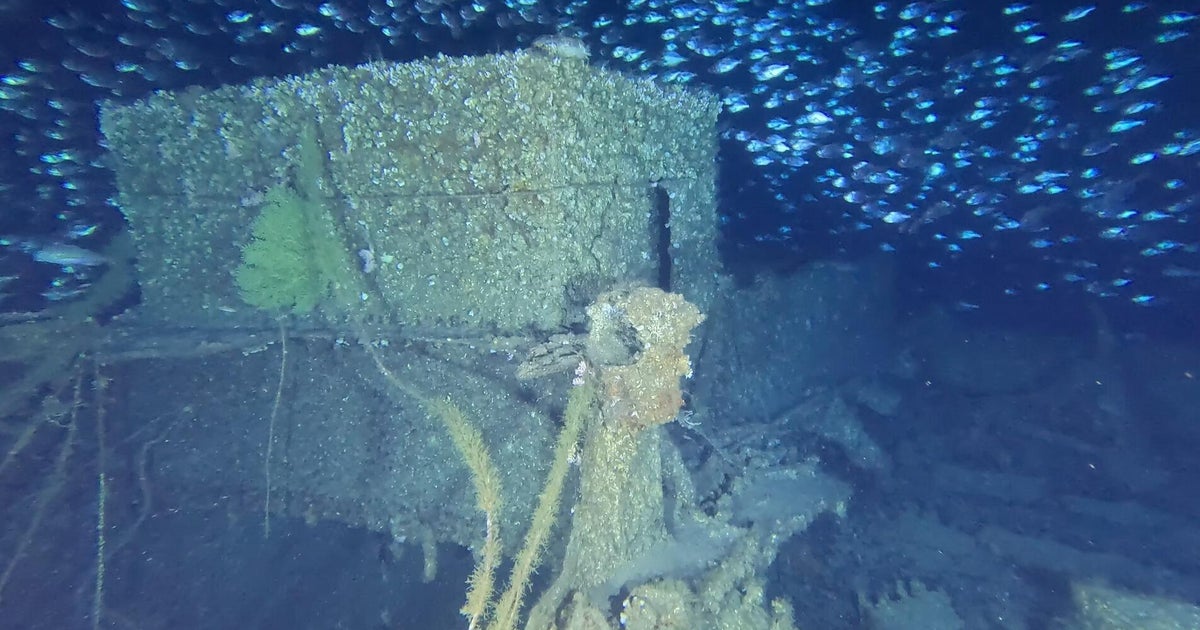
Since the discovery of the SS Nemesis, a ship lost at sea off the coast of Sydney, Australia, in 1904, has been unravelled, prompting a search for the British descendants of the 32 crew members who met their tragic end. The 73-meter vessel, tasked with transporting coal, vanished in turbulent waters, leaving no survivors among its crew.
The vessel, a 1,393-ton steamship, had a complement largely composed of British nationals, including its English captain, Alex Lusher, his first officer, T.A. Renaut, and the second officer, W.D. Stein. Other notable crew members included J. Lochhead, a carpenter from Glasgow; T. Bourner, a fireman from London; J. Page, the chief cook from Liverpool; and C. Strachan, a donkeyman from Scotland, all of whom perished with the ship.
She was victim of changing needs demographic and rapidly developing nation just like USA at the time struggling to make up the shortfall of shipping needs. The obsolescence of the design for a ship not designed to carry bulk coal but general goods became problematic. at 21 years old the vessel. The coal trade was the only viable option for her. Yet she was not designed to carry bulk materials.
There was a few ships disappeared on voyages with coal from Australia to united states to California of similar design that vanished with out trace in the pacific. It was reflective of an ongoing problem ship owners faced having an aging obsolete ship and changing market demands and trying to change the role the ship was originally design for. This happened all across the world in that pre Morse code radio era. While not a treasure ship understanding the human and role and economic needs with in that time and place gives a fascinating insight into shipwrecks regardless of country nationality or era.
Crow


 www.cbsnews.com