In the early 13th century, a recluse hermit was a person who shut out the world to meditate on religious issues. But nowadays, recluses can think about whatever they want while they're sitting in solitude — they're simply people who shy away from social interaction and live secluded lives. Modern society has created many people to disengage from society. It's not just older people but younger people as well. We have an internet society that shops from home work from home, and cannot make eye contact with people.
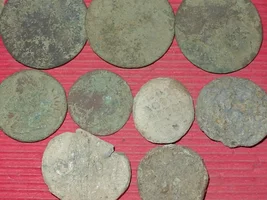
As we can see by your post on this 1684 hermit and through history, it is not a modern phenomenon.
Classic historical hermits include early Christian desert ascetics like St. Anthony and St. Paul of Thebes (c. 3rd–4th century), stylistic monk St. Simeon Stylites (4th century), and medieval recluses such as Julian of Norwich. These individuals sought extreme isolation for spiritual enlightenment, a tradition echoed in various cultures and later, 18th-century "garden hermits"
This a property in Ireland being leased for grazing that has a 6th-century beehive monks' cell.
Looking down from hill of the Bulls.
The partially destroyed monk's cell was used as an animal shelter.
There was a spring and a well nearby , below
This holy well Saint Ciarán of Saigir (or Ciarán the Elder) is allegedly dedicated the primary patron saint and legendary founder of Christianity on Cape Clear Island, reputedly born there in the 4th century before St. Patrick. His feast day is March 5th, celebrated at his holy wells dedicated to him all over the west coast of Ireland. Hermit monks resided in sparse stone beehive monk cells. The area around them at the time was predominantly pagan, following the ancient Celtic Iron Age religion of the druids.
Here, the irony is that nearly all Christian sites are pagan in origin. The site known in English as hill of Bulls was an ancient veneration site. Over time, Christianity supplanted the old pagan religion.
These traditions naturally transposed themselves to the new world as Christianity spread with early colonists in America. There is no exact, single count for the total number of Christian religious sites or hermitages globally, as they range from major, globally recognized basilicas to thousands of small, local shrines, ruins, and secluded cells. However, evidence suggests there are tens of thousands of such sites worldwide.
As far as I know, there has been no research on how many Christian hermit cells and veneration sites are in the United States. Cave of Kelpius follows in these traditions.
Crow





















 That & Hibernating are my Usual Excuses for avoiding Talking to People


