N.J.THer
Silver Member
- Joined
- Nov 16, 2006
- Messages
- 3,283
- Reaction score
- 240
- Golden Thread
- 1
- Location
- Middlesex County, New Jersey
- 🥇 Banner finds
- 1
- Detector(s) used
- Whites DFX w/ Sunray DX-1 probe and Minelab Excalibur 1000, Whites TRX Pinpointer
- Primary Interest:
- Metal Detecting
- #1
Thread Owner
I'm a member of St. Peter's Epicopal Church in Perth Amboy, NJ which held its first service in 1685. A while back I wrote that I was doing some graveyard restoration work at my church and someone asked to see some pictures. Sunday I had some time so I took a few pictures to share....unfortunately I don't have any before pictures.
Over time between ground shifting and the elements some of the old grave marks start to lean, sink or fall over. Once a marks starts to lean then gravity takes over and pulls it down. If it starts leaning back then the engraving gets exposed to direct rain/snow fall and the inscription wears at a faster rate then normal. We try to raise up the ones that sank, straighten the ones that are leaning and fix the ones that are broken.
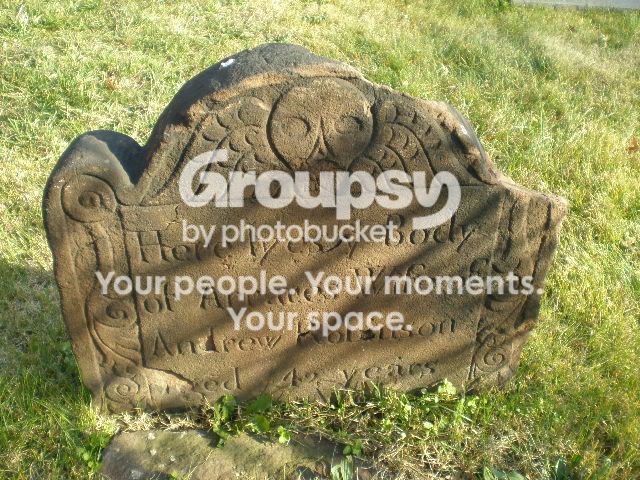
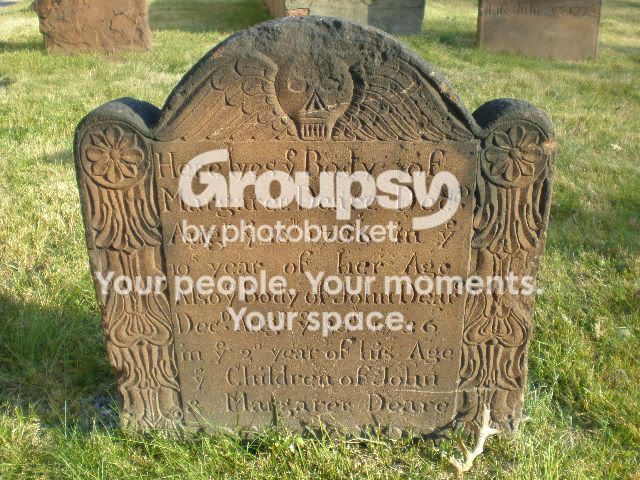
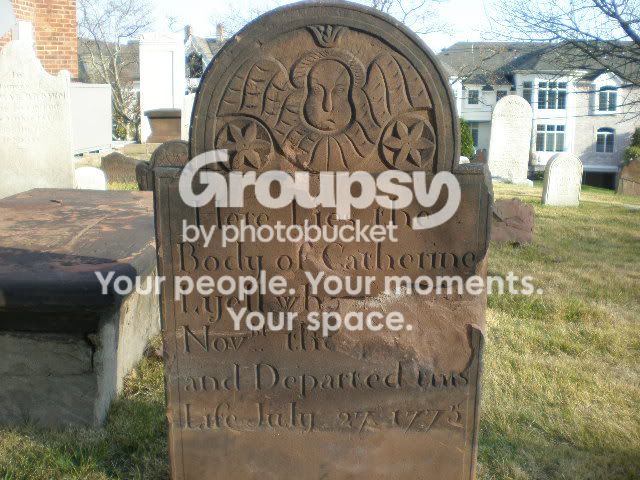
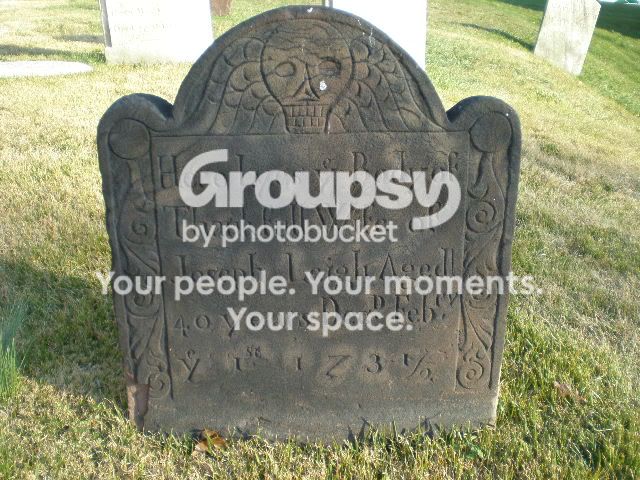
The first few pictures are of older brownstones. Some have been straightened and raised up so you can read the full inscription. If you can only read part of the inscription it has not been worked on yet. These stones usually have around 40% buried underground. While raising some of the stones we found that the craftsman or apprentice that worked on the stones practiced on the parts that were being buried. Apparently they did this so they would not have to waste good stone for honing their skills.
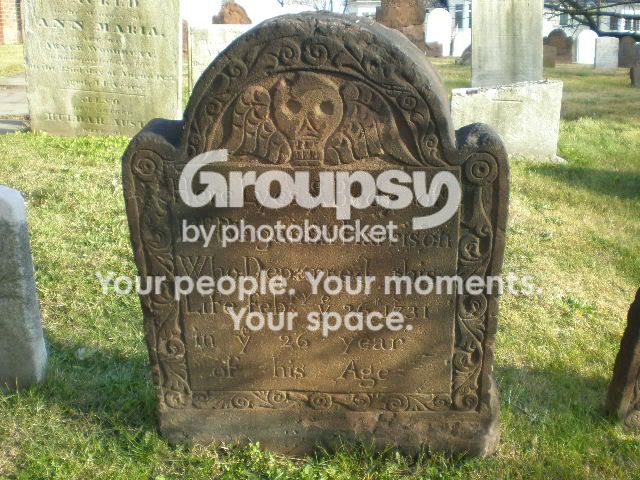
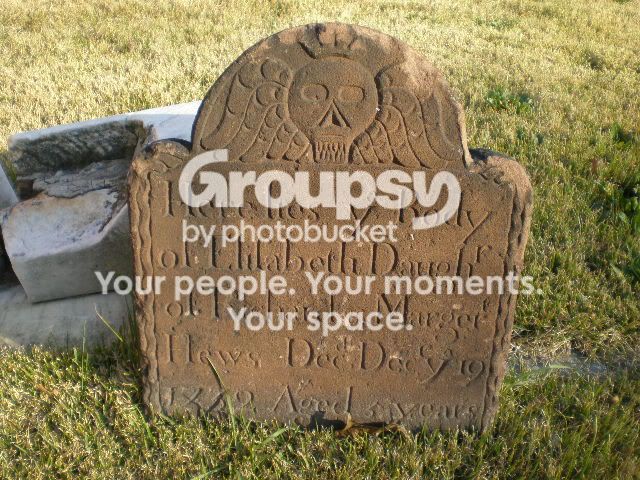
Here is a Civil War vetrans grave marker:
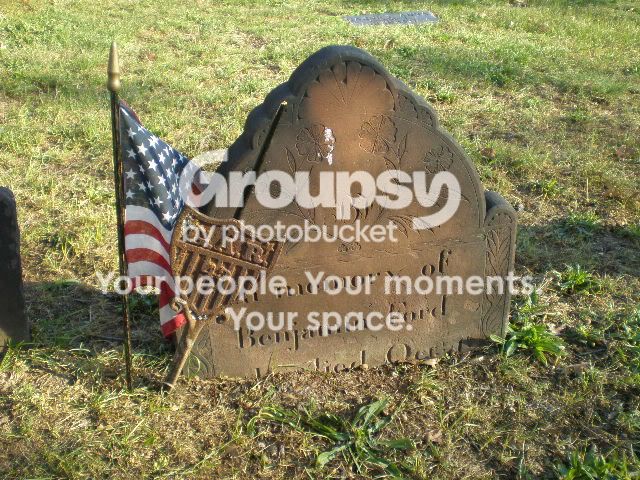
The legend behind this marker is that during the Revolutionary War they had a small cannon at the old church building that they used to fire at British ships in the bay. When the ships returned fire a cannon ball hit this gravestone. I'm not sure if that is true but it makes for a good story.
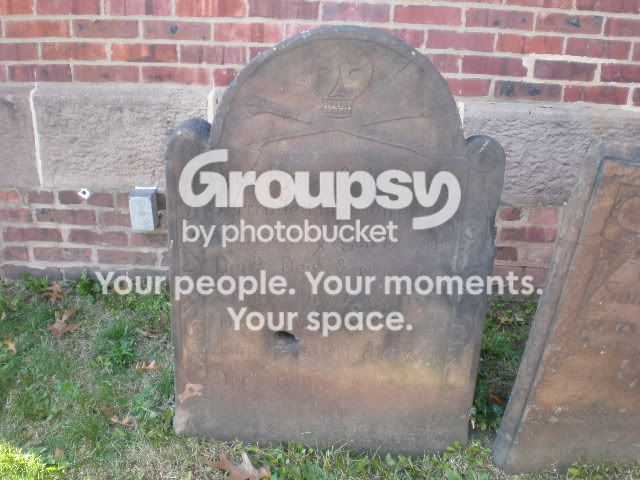
Here is a small group of stones that we have not worked on yet but it gives you a feel for the type of things we are fixing.
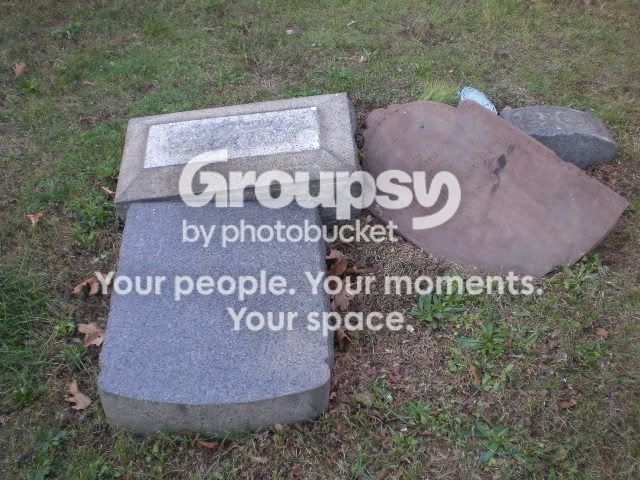
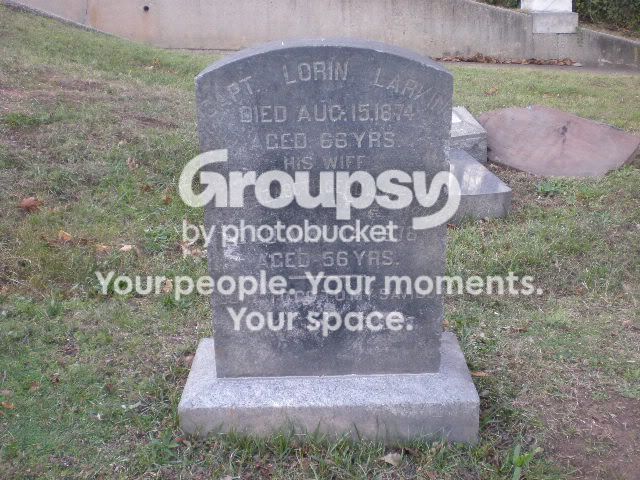
This stone was in the same condition as the one in the previous picture. We had to reset the base then add lead spacers to reset the top of the stone. This stone was lying face down so we had no clue it was a sea captain that died in 1874 and his wife until after we reset it.
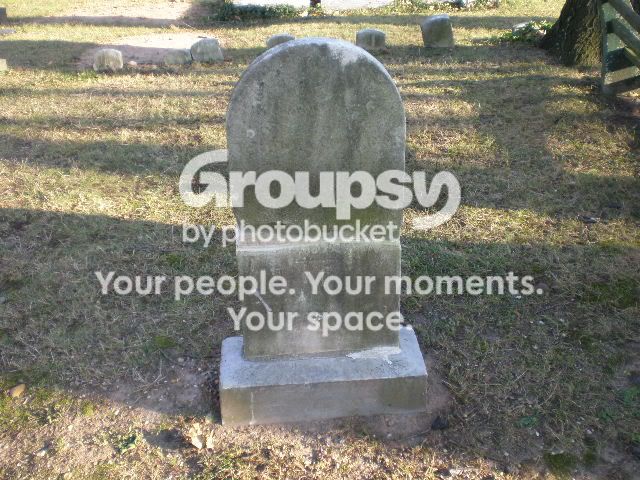
This stones base sank into the ground and the tablet had broken in half. We reset the base and used an epoxy to attach the top of the tablet. The engraving is so worn we could not make out who is buried at this location.
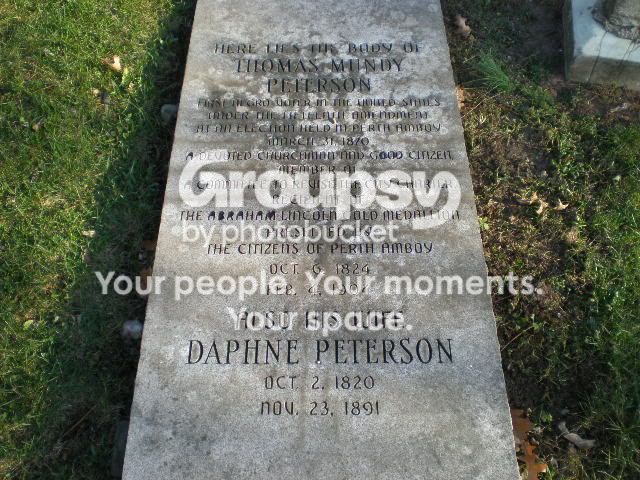
Here are some interesting markers and tombs. The first one is for Thomas Mundy Peterson and his wife. Mr Peterson was the first black man to vote under the 15th amendment.
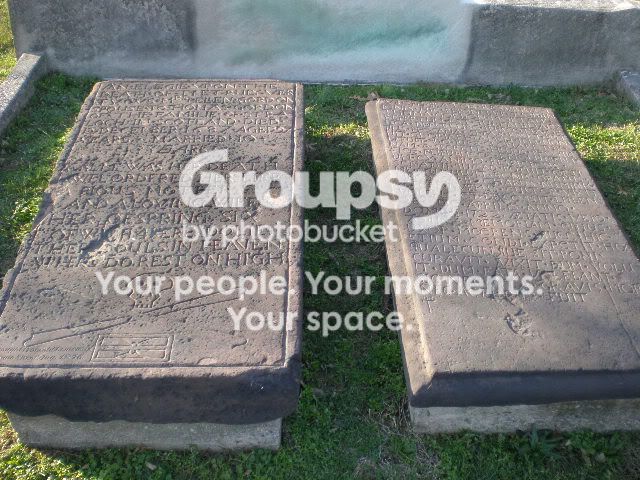
Here are some other interesting items in the graveyard.
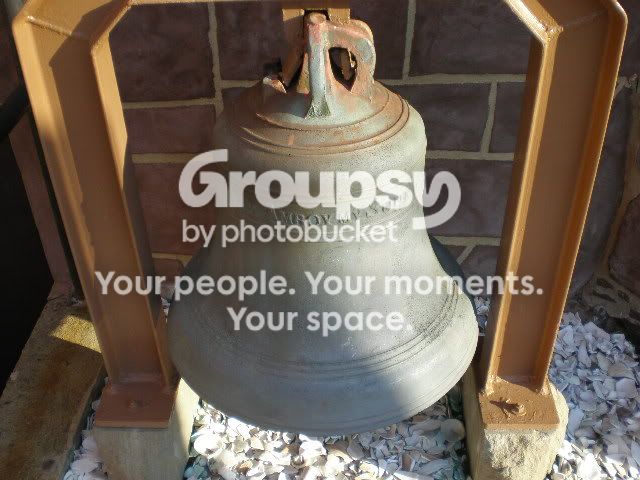
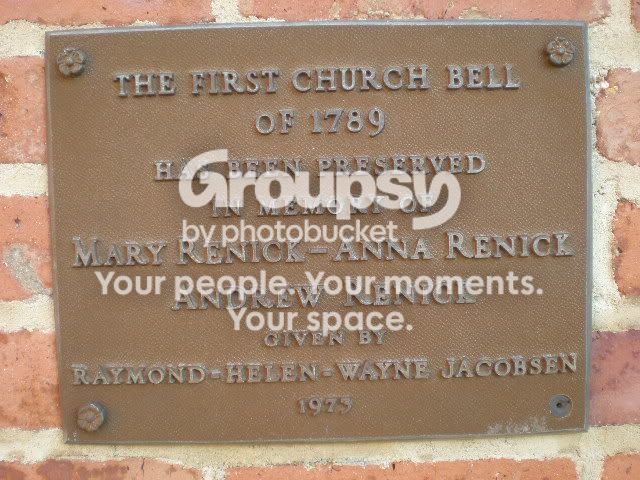
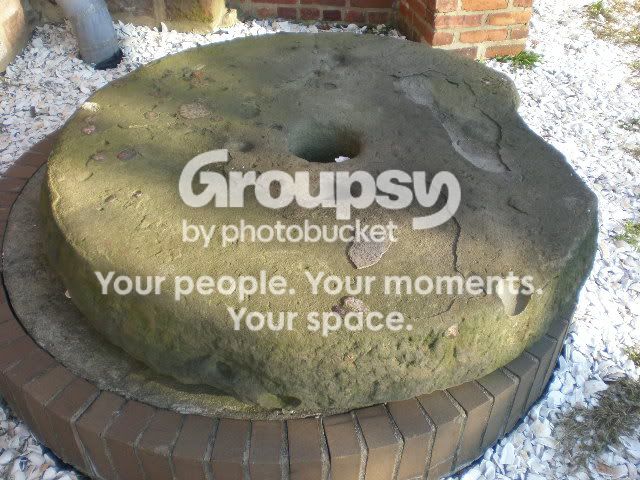
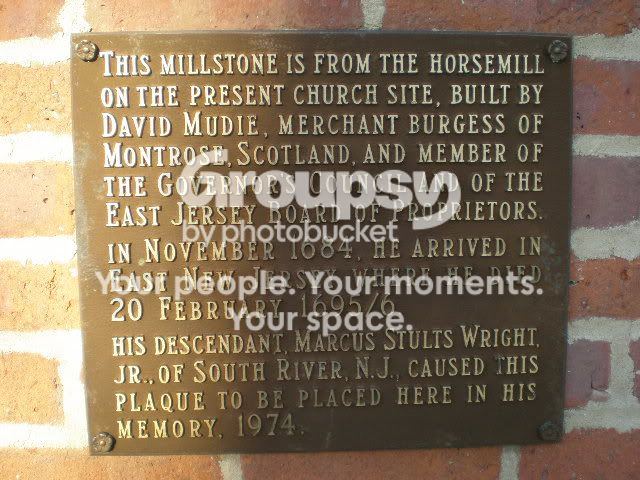
If you are ever in Perth Amboy make sure you walk through the graveyard and check out what the town has to offer. It is like stepping back into the past. Perth Amboy just celebrated its 325th anniversary.
They have the only remaining Royal Governer's Mansion in the original colonies. The place that William Franklin, son of Benjamin Franklin, was arrested in 1776. The City Hall building was built in 1685 as a courthouse and is the oldest city hall in continuous use in the United States. The waterfront section has around six or seven historic sites within a block or two. Makes for an awesome walking tour by the Raritan Bay when the weather is nice.
I hope you enjoyed the pictures.
NJ
Over time between ground shifting and the elements some of the old grave marks start to lean, sink or fall over. Once a marks starts to lean then gravity takes over and pulls it down. If it starts leaning back then the engraving gets exposed to direct rain/snow fall and the inscription wears at a faster rate then normal. We try to raise up the ones that sank, straighten the ones that are leaning and fix the ones that are broken.
The first few pictures are of older brownstones. Some have been straightened and raised up so you can read the full inscription. If you can only read part of the inscription it has not been worked on yet. These stones usually have around 40% buried underground. While raising some of the stones we found that the craftsman or apprentice that worked on the stones practiced on the parts that were being buried. Apparently they did this so they would not have to waste good stone for honing their skills.
Here is a Civil War vetrans grave marker:
The legend behind this marker is that during the Revolutionary War they had a small cannon at the old church building that they used to fire at British ships in the bay. When the ships returned fire a cannon ball hit this gravestone. I'm not sure if that is true but it makes for a good story.
Here is a small group of stones that we have not worked on yet but it gives you a feel for the type of things we are fixing.
This stone was in the same condition as the one in the previous picture. We had to reset the base then add lead spacers to reset the top of the stone. This stone was lying face down so we had no clue it was a sea captain that died in 1874 and his wife until after we reset it.
This stones base sank into the ground and the tablet had broken in half. We reset the base and used an epoxy to attach the top of the tablet. The engraving is so worn we could not make out who is buried at this location.
Here are some interesting markers and tombs. The first one is for Thomas Mundy Peterson and his wife. Mr Peterson was the first black man to vote under the 15th amendment.
Here are some other interesting items in the graveyard.
If you are ever in Perth Amboy make sure you walk through the graveyard and check out what the town has to offer. It is like stepping back into the past. Perth Amboy just celebrated its 325th anniversary.
They have the only remaining Royal Governer's Mansion in the original colonies. The place that William Franklin, son of Benjamin Franklin, was arrested in 1776. The City Hall building was built in 1685 as a courthouse and is the oldest city hall in continuous use in the United States. The waterfront section has around six or seven historic sites within a block or two. Makes for an awesome walking tour by the Raritan Bay when the weather is nice.
I hope you enjoyed the pictures.
NJ