maipenrai
Bronze Member
- Joined
- Nov 11, 2010
- Messages
- 1,167
- Reaction score
- 242
- Golden Thread
- 0
- Location
- Thailand/Europe/California
- Detector(s) used
- Excalibur 2 1000
- Primary Interest:
- All Treasure Hunting
- #1
Thread Owner
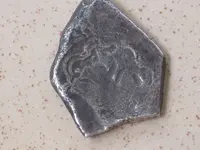
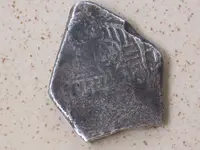
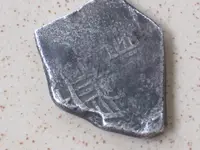
I bought this cob at an auction, (in Thailand), and not knowing anything about cob's, took a chance on it being real. It had some kind of certificate with it, and a booklet about the story of the wreck where it supposedly came from, off the coast of England. Misplaced the paperwork, so dont have much info on it now.
The weight is 22.58 g, and for some reason, one end of looks like it has been hammered, to hide something, or just someone that didnt know what they were doing? My neighbor, who is a jeweler says its silver, but that it was cast, by the look of the bubbles, although I cant see any casting marks around the edge.Is it possible that the corrosion from the salt water caused these pock marks? Just hoping! If its a fake, is it a known fake, modern or older fake? I would guess that the previous owner did not know it was a fake either, but just passed it on.
Sorry for the low quality photos.
Thank you!
The weight is 22.58 g, and for some reason, one end of looks like it has been hammered, to hide something, or just someone that didnt know what they were doing? My neighbor, who is a jeweler says its silver, but that it was cast, by the look of the bubbles, although I cant see any casting marks around the edge.Is it possible that the corrosion from the salt water caused these pock marks? Just hoping! If its a fake, is it a known fake, modern or older fake? I would guess that the previous owner did not know it was a fake either, but just passed it on.
Sorry for the low quality photos.
Thank you!