What's new

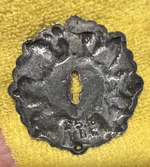
🔎 UNIDENTIFIED Lock plate Cover F538 KBC ? Composition?

Digger54

Hero Member
🥇 Charter Member
Joined
Dec 6, 2010
Messages
654
Reaction score
859
Golden Thread
0
Location
SC Lowcountry
Detector(s) used
Fisher F75SE, Bandido II, Sovereign GT, Fisher1280X, Nautilus DMCIIB, Deus2, Manticore.
Primary Interest:
Shipwrecks
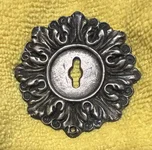
Found two identical 2" metal, possibly lock plates in my father's estate. To further cloud the background there was some of my Grandparents estate mixed in with his.

Was hoping to get an ID in order to ascertain the metal composition. I did polish a spot on the back side to see if it took a shine and it did, but so do many metals.

On the backside near an attaching hole is "F538" over "KBC"

Help?
 

Attachments

  • lockplate.webp
    lockplate.webp
    419.4 KB · Views: 36
  • lockplateB.webp
    lockplateB.webp
    386.8 KB · Views: 22
According to AI:

The "white metal" used by the Keeler Brass Company was an industry-standard zinc-based alloy (often referred to as zamak or mazak). Keeler cast this material—which was approximately 85% zinc and 15% aluminum—for intricate furniture and cabinet hardware.
 
Upvote 0
The 'KBC' mark is for the Keeler Brass Company, founded in 1893 in Grand Rapids, Michigan. They're still in business. It's their Acacia leaf design, like this one, which is only described as "white metal":

View attachment 2260445
Thanks, that tells me that it is not silver.
According to AI:

The "white metal" used by the Keeler Brass Company was an industry-standard zinc-based alloy (often referred to as zamak or mazak). Keeler cast this material—which was approximately 85% zinc and 15% aluminum—for intricate furniture and cabinet hardware.
Thanks so much. I don't know what to do with such specific use items that have little scrap value.
 
Upvote 0

Users who are viewing this thread

Back
Top Bottom