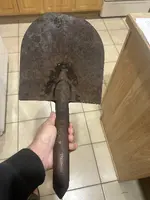
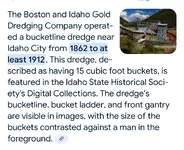
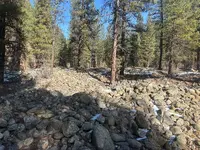
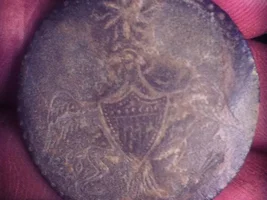
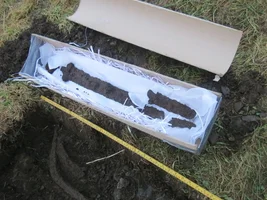
Thanks. What’s making me scratch my head is why it’s mixed in tailings from a bucket dredge that I think didn’t come through for another 50-80 years.I would say 1850’s. The early western gold rush shovels appeared heavily reinforced, but were made of thin material that usually rolled on the leading edge of used for anything other than shoveling loose material. What is found is typically the reinforced portion. The rest typically rusts away over time. The corker style boots were also common between 1850-1860 ish
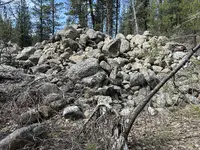
Do you know if bucket dredges ever hit the same area twice? Maybe another company came in later on?Perfect winrows of tailings indicates 1930’s. All of the old tailings were hand stacked around here. I think you mentioned earlier that you thought it had been mined several times.
Well damn. It’s a lot of work and money to set up for something that may have been worked multiple times. I know they mined several times using different methods. Hydraulic, bucket dredges, etc. I just don’t know if these tailings are from a single goIt’s highly likely they mined in that area several times. Once during the beginning of the early gold rush, where they hand stacked boulders. Then a little later larger partnerships were formed and better materials were available, they would use a Derrick to move the boulders and pile them up. I believe this photo was 1898. 40 men worked 24 hours a day on this mine using pitch torches for light.
View attachment 2207232
Then starting around the time the railroad came through, they started with the bucked dredges. There was a lull during WW1, with mining resuming during the Great Depression.
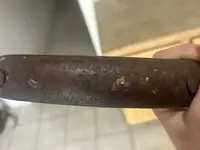
Well to really date the shovel, you’re going to have to find the manufacturer. Make sure you have the spelling correct.Well damn. It’s a lot of work and money to set up for something that may have been worked multiple times.
Still don’t know why 1850s stuff would be in the newer dredge tailings.