- #21
Thread Owner
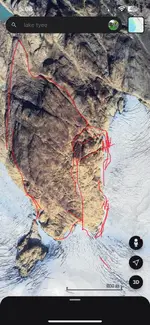
باختصار، العلامة الموجودة على الأقمار الصناعية تخبرني عن علامة على الأرض.أريد خبير آثار
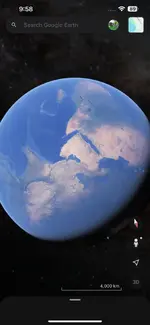
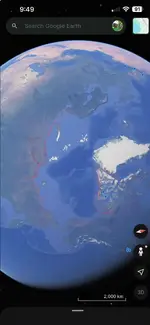
أي أن صور رأس الغوريلا عبر الأقمار الصناعية وجدت رأس الفرس على الأرض.باختصار، العلامة الموجودة على الأقمار الصناعية الشاملة عن العلامة على الأرض.
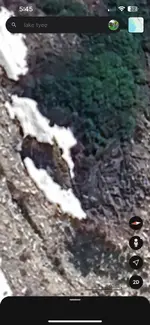
أي أن صور ملكة الأنباط على الأقمار الصناعية وجدت رأس نسر على الأرض.أي أن صور رأس الغوريلا عبر الأقمار الصناعية وجدت رأس الفرس على الأرض.
أي أن صور ملكة الأنباط على الأقمار الصناعية وجدت رأس نسر على الأرض.
أريد خبير آ
أنصحك أن تسأل عالم آثار مؤهلًا، وليس أي عالم آثار.هذه العلامات النادرة ليس لها أي تشابه، أي أنها فريدة من نوعها.
لا يزال لدي الكثير مما يثير دهشة عالم الآثار، وهي العلامات الأكثر قيمة ونادرة، ولكن عليه أن يدفع الكثير ليصل إلى ذلك.أنصحك أن تسأل عالم الصدمة الكافي، وليس أي عالم الصدمة.
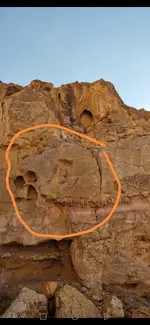
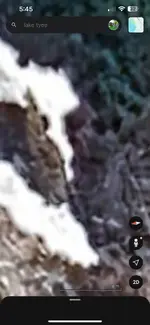
Maybe you can draw it out like this ? I found these in my area I have larger ones as well but I’ll start with this because I can’t see what you’re looking at ?I came across this unique natural rock formation that strongly resembles a crowned female face carved in profile. The facial features, including the nose, lips, and eye socket, appear intentionally shaped or at least symbolically significant. Given the stylistic and symbolic aspects, this may represent al-‘Uzzā, a pre-Islamic goddess revered in Nabataean and Arabian cultures. The presence of such iconography in natural or sculpted rock was not uncommon in sacred areas or pilgrimage routes.
I’d appreciate your input on whether this seems naturally weathered, anthropomorphically shaped by intention, or symbolic in any cultural/historical context. No exact location will be provided, but the area is known for Nabataean activity.
Thanks in advance.
Please take a look at this as well genesh and Kaali in one and another a man reaching for his god or at least a big faceI came across this unique natural rock formation that strongly resembles a crowned female face carved in profile. The facial features, including the nose, lips, and eye socket, appear intentionally shaped or at least symbolically significant. Given the stylistic and symbolic aspects, this may represent al-‘Uzzā, a pre-Islamic goddess revered in Nabataean and Arabian cultures. The presence of such iconography in natural or sculpted rock was not uncommon in sacred areas or pilgrimage routes.
I’d appreciate your input on whether this seems naturally weathered, anthropomorphically shaped by intention, or symbolic in any cultural/historical context. No exact location will be provided, but the area is known for Nabataean activity.
Thanks in advance.
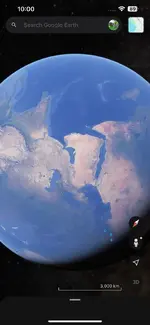
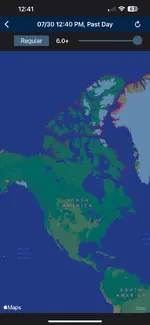
You're kidding, right? You aren't seriously suggesting a man, men, or all of humanity, intentionally arranged the continents? I don't even see any recognizable shapes, but even if I did, it certainly wasn't man that put it there.Please take a look at this as well genesh and Kaali in one and another a man reaching for his god or at least a big face
Well kidding me isn’t a good way to start a conversation is it? I did not suggest anything just pointed out similarities. I do not believe man can rearrange continents but I do know we adjust shorelines I do know that man had at some point the ability to be elevated up enough to draw large things in the sand and also have the ability to use the shapes around them to create characters in there beliefs. Coming at people with knee jerk answers is no way to help. Just look like like you have no communication skillsYou're kidding, right? You aren't seriously suggesting a man, men, or all of humanity, intentionally arranged the continents? I don't even see any recognizable shapes, but even if I did, it certainly wasn't man that put it there.
I'm not trying to shame you, and if there's lack of communication here, it's from both directions. You posted satellite photos and said there were images in them. The context of the thread was other rock formations that had presumably been made that way by man. My assumption was that therefore you were continuing in that same vein, and were suggesting that the continental outlines shown were intentionally made that way to be a recognizable shape. My mind, closed or not, sees no shape in the outlines and nobody anywhere has ever suggested that mankind shaped the outlines of the continents. Thus, my "you've got to be kidding" was a reaction that I am confident most people reading this thread would have had, even if they didn't say so.Coming at people with knee jerk answers is no way to help. Just look like like you have no communication skills
It wasn't intended to shame you, merely to point out the absurdity of the idea that continents were shaped to represent anything in particular. There is a human tendency to want to see patterns, even when there really aren't any, or at least not intentional ones. It's called pareidolia. It's not a flaw or a shame or anything like that, it's just a thing that happens, and can happen to anyone. I think that's what you've got going on here.I hope I can get some god conversation that could help rather then shame.
I appreciate your response thank you.I'm not trying to shame you, and if there's lack of communication here, it's from both directions. You posted satellite photos and said there were images in them. The context of the thread was other rock formations that had presumably been made that way by man. My assumption was that therefore you were continuing in that same vein, and were suggesting that the continental outlines shown were intentionally made that way to be a recognizable shape. My mind, closed or not, sees no shape in the outlines and nobody anywhere has ever suggested that mankind shaped the outlines of the continents. Thus, my "you've got to be kidding" was a reaction that I am confident most people reading this thread would have had, even if they didn't say so.
It wasn't intended to shame you, merely to point out the absurdity of the idea that continents were shaped to represent anything in particular. There is a human tendency to want to see patterns, even when there really aren't any, or at least not intentional ones. It's called pareidolia. It's not a flaw or a shame or anything like that, it's just a thing that happens, and can happen to anyone. I think that's what you've got going on here.