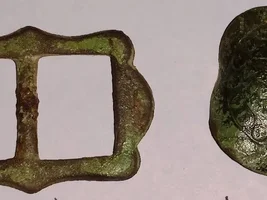
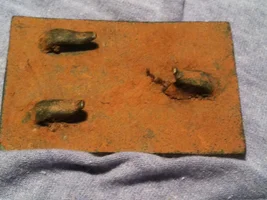
Using a molasses-and-water bath is an effective, non-toxic, and cheap method for removing rust from ferrous metals (iron and steel), commonly used in restoring old tools and automotive parts. However, when using it on printed or lithographed tin, caution is necessary as it may remove surface rust, but it can also jeopardize the fragile print or cause flash rusting if not managed properly.
How Molasses Works on Rust
Chelation: Molasses contains citric and phosphoric acids, which act as chelating agents, binding with iron oxide (rust) to remove it from the metal surface without harming the healthy base metal.
Safe for Iron: It is excellent for deep, heavy rust on structural iron/steel, often leaving the surface in nearly original condition.
Steps for Using Molasses on Printed Tin
Prepare the Mixture: Mix one part molasses with 9 parts water (a 10:1 ratio). Using feed-grade or animal-grade molasses is cheaper than food-grade for large projects.
Submerge the Object: Completely submerge the tin item. Any part left exposed to the air boundary will be etched. Use a plastic container.
Wait: Soak for 1–3 weeks, depending on the rust severity.
Clean and Neutralize: Remove the tin, scrub with a nylon brush (not steel wool, which may scratch), and rinse with water. Immediately neutralize with a mixture of baking soda and water to stop flash rusting.
Dry and Protect: Dry immediately and thoroughly, then apply a protective coating like oil, wax, or clear paint to prevent immediate re-rusting.
Risks to Printed Tin
Print Damage: While molasses is often safe on paint, it can cause delicate, old, or cracked prints to peel or flake off if the rust was holding the paint in place.
Flash Rusting: Once the rust is removed, the bare tin is highly vulnerable to oxygen, and "flash rust" will occur in minutes.
Slow & Smelly: The process takes days to weeks, and the molasses will ferment and produce a strong, unpleasant smell.
Recommendation: For valuable printed tins, test a small, inconspicuous area first. If the printed surface is fragile, gentle mechanical cleaning or a mild, specialized rust remover might be safer.