What's new

1st insitu pic. need some info.

musky44

Sr. Member
Joined
Jan 29, 2010
Messages
386
Reaction score
40
Golden Thread
0
Location
west viginia
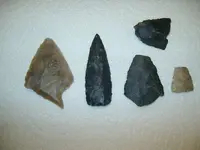
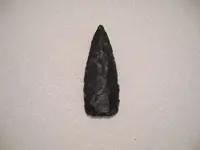
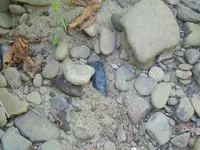
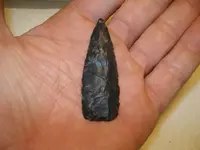
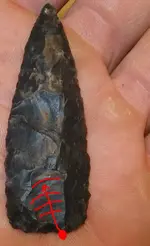
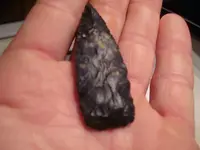
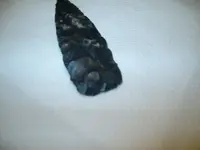
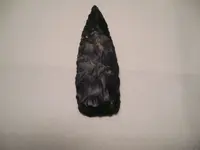
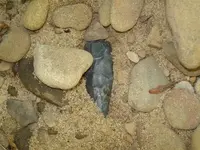
i have taken several insitu pics with my phone, this is the first time i had my camera. what i was wondering about was the skinny black point. is that a thinning flake taken out of the bottom or could it be a wee little flute. i have nothing like it to compare to. probably just wishful thinkin. if anyone has any advice or even similar pics , i would appreciate it. thanks [attach5]
 

Attachments
  • SANY1117.webp
    SANY1117.webp
    138.6 KB · Views: 409
  • SANY1116.webp
    SANY1116.webp
    35.9 KB · Views: 401
  • SANY1114.webp
    SANY1114.webp
    15.1 KB · Views: 413
  • SANY1113.webp
    SANY1113.webp
    99.8 KB · Views: 444
  • SANY1119.webp
    SANY1119.webp
    44.1 KB · Views: 411
Upvote 0
Any grinding one the base? It doesn't look like it from the pictures but you can't always see everything in a picture. The Paleo Indians loved that black Coshocton Flint so it just might be a Late Paleo/Early Archaic type piece. It's a nice find either way.
 
Could you kindly post a picture of both sides. This way we can all get a look at its manufacture and give you a better clue..............So far that is looking like a flute, could be a thinning flute though. If you show both sides we all get a better look at the auricles and see if there is possible break or thinning and see if it is made that way................it is a nice find...................thanks .........................GTP
 
Musky,
Nice shot. Incredible piece. I usually don't have the patience or discipline to get the pic before the point!
Great work.
PG
 
Killer find! Nice pic too.

Congrats,

Chuck
 
Great find, and cool pictures.

If you look at your pictures you can see the ripples in the flake are angled a bit, which to me indicates that it was a thinning flake vs an intentional flute.

This picture kind of shows what I mean, the flake was taken from an angle vs a flute which is usually taken in the middle of the piece, strait up the axis of the biface.
 

Attachments

  • picture.webp
    picture.webp
    22.3 KB · Views: 621
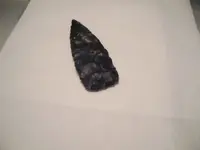
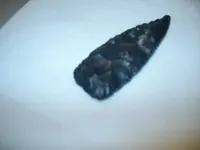
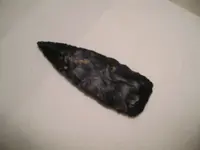
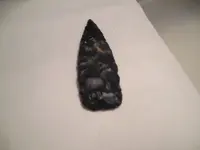
thanks for all the kind words and help. here are some pics of the other side. [attach7]
 

Attachments

  • SANY1131.webp
    SANY1131.webp
    52.2 KB · Views: 613
  • SANY1136.webp
    SANY1136.webp
    38.2 KB · Views: 610

  • SANY1133.webp
    SANY1133.webp
    26.1 KB · Views: 597
  • SANY1134.webp
    SANY1134.webp
    32.8 KB · Views: 603
  • SANY1135.webp
    SANY1135.webp
    55.7 KB · Views: 595
  • SANY1130.webp
    SANY1130.webp
    34.9 KB · Views: 580
  • SANY1132.webp
    SANY1132.webp
    40.3 KB · Views: 582
A beauty and the thinning strike that went ouch gives it some history. Rare and nice.
Thanks for sharing sir.
 
Nobody knows what type it is then?

Molly.
 
Molly said:
Nobody knows what type it is then?

Molly.

Kind of hard to confidently put that piece into a specific type. Personally I'd call it a late paleo to early archaic knife or preform from just looking at a 2d picture, jmo. It's something you'd have to study in hand to give an honest appraisal I think.
 
i really like blades like that, maybe a Copena round base? 4000-1200 b.p.?
 

Attachments

  • copena.webp
    copena.webp
    59.3 KB · Views: 507
Personally I think that flute channel is the result of an undesirable "stack" the maker wanted to jettison. You see these flutes all the time on early archaic pieces
 

Attachments

  • IMG_2974.webp
    IMG_2974.webp
    173.7 KB · Views: 490
Thanks for the info guys. Interesting. First time I have seen a fluted notched point.

Molly.
 
I was very curious about his blade. I asked a friend of mine that has been collecting & studying for many many years & he said It's basal thining not fluting. Ovate blade or preform.
Still a killer find Musky Congrats..

Molly.
 
Your camara takes better pics. of musky. Nice stuff there I can't wait til its in my hand !!! :icon_thumleft:
 
My guess (FWIW) is that it's a re-base : the snapped-off blade section of a hafted point that was long enough to coax some further use out of by thinning the base enough to re-haft it. It's a strategy that goes back at least to Dalton times.
 

Users who are viewing this thread

Back
Top Bottom