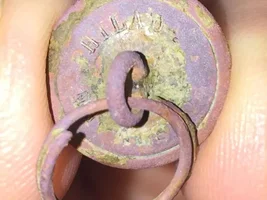
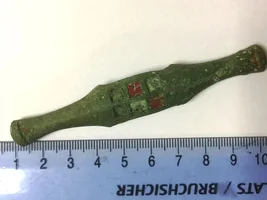
I've only been here a few months, but I'm already starting to feel like I've seen this problem 100 times. In those videos that showed the Compadre "failing," did they all involve a freshly dug test bed? The video that was posted to this thread doesn't make a good example unless the goal is to build a near impossible test for regular VLF machines. They dug a hole in highly-mineralised, moist soil and just covered it back over with no other preparations. This very thing has been known to make targets "disappear."
As rain water drains through the soil, the dipolar nature of the water molecule (positive charge on one side, negative charge on the other), combined with the temporary liquifaction effect of heavy drainage, causes the minerals in the soil to all line up with each other. Natural ground will give you results that are similar to an air test. When you dig a hole and backfill it, you scramble the orderliness of the minerals, so, while natural ground acts like a conductor for the detector's EM field, freshly dug (scrambled) ground disrupts the field and prevents penetration. So, you should expect to lose several inches of potential detection depth in disturbed ground and this applies to all detectors.
Small, gold chains are notoriously hard to hit in the first place. If you bury such a difficult target even two inches into scrambled earth, you might lose it entirely. This isn't a weakness in the detector, but in the detectorist. Bury that chain at two inches, come back a couple of days after a good rain (or just water-in your test bed and wait 24 hours), and the chain will magically reappear.