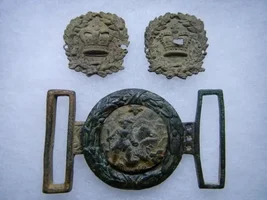
The weather will give the impression of pushing an item to the surface, but I suspect is actually occurring is a complex combination of actions.
First a field is plowed or disked. This cuts up the weed roots and mixes up the ground. The relics which may have been 8 inches below the surface now may be only an inch or tow below a uneven ragged surface. Over time the rain will act like its melting the ground, but whats occurring is weathering of the ground surface at a small scale. Now the relic may only be a half inch or less.
Eventually the field is smooth. Now the relic could be on the surface completely or partially exposed.
Consider relic which was 2 inches from a smooth surface after weeks of weathering. After plowing it could then be 8 inches below the surface. The next fall after harvesting the plow brings it up to 5. Then before planting the plow puts it back 9 inches below the surface. After that season of harvest the plow brings it up to 5. And so on and so on.
This scenario is dependent on the type of conditioning the farmer is using on the field. Is he chisel the field? it he using a moldboard plow? Or other means? Consider a moldboard plow which could dig down approximately a foot deep. But of that foot of digging and turning over of the earth, only a very small fraction in relationship to the depth will actually be on the surface.
So it could take years of plowing for a relic within the plow zone to actually appear on the surface, which is why many relics are broke or have plow strikes.