What's new

✅ SOLVED Colonial Site What In The Heck Is It?

Joined
Dec 12, 2010
Messages
315
Reaction score
147
Golden Thread
0
Location
Kentucky
Detector(s) used
Fisher Gold Bug DP, Fisher F19 LTD, Minelab Safari, Garrett AT Pro, Garrett AT Pro Pointer, Garrett Pro Pointer, Lesche Digger, Lesche Ground Shark Shovel, 9.5x5.5 NEL Sharpshooter Coil (Safari), 9.5x
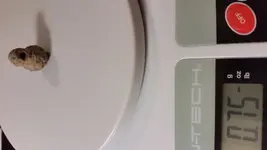
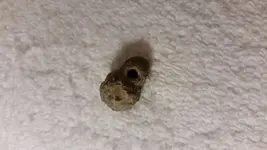
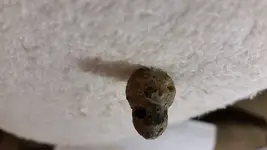
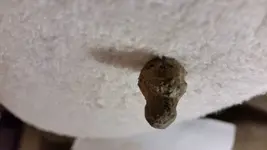
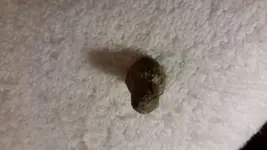
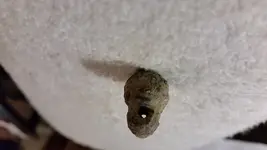
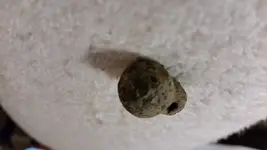
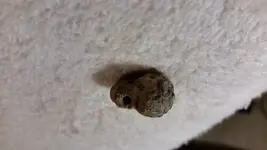
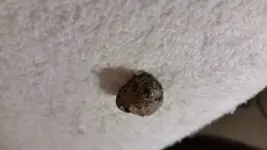
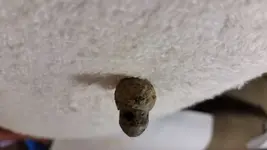
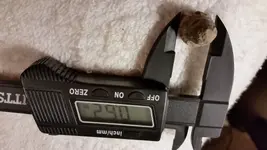
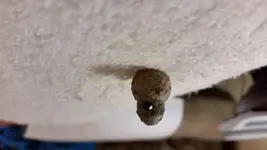
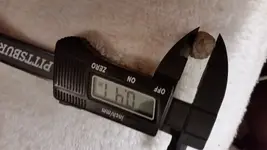
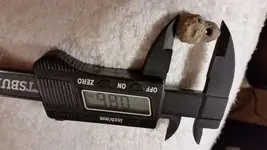
All you guys and gals that hunt 1700's-1800's sites might have come across something like this :dontknow:. I have never quite seen another like it? It's somewhat small, heavy for its size, looks like a tiny gourd, and has a whole in the upper part as seen in pics. Buttons, coins, buckles, thimbles, etc are all great finds, but all these items are still in use and somewhat made in the same likeness as they were 250 years ago. It's the strange and unusual little finds at these sites that really get my curiosity up ???.

20141116_224824.webp20141116_224919.webp20141116_224941.webp20141116_224957.webp20141116_225006.webp20141116_225019.webp20141116_225034.webp20141116_225106.webp20141116_225126.webp20141116_225153.webp20141116_225319.webp20141116_225202.webp20141116_225415.webp20141116_225450.webp
 
Last edited:

CoilyGirl sent me a PM about this discussion-thread.

I have to disagree about either LADGI's object or yours being a bell-clapper (clanger), because y'all's are made of a lead-alloy, which is too soft a metal to perform as a good bell-clapper for an iron-bodied or brass-bodied bell. Being a softer metal, the sound it would create would be more of a clonk than a clang. That is why actual bell-clappers are typically made of harder metals like iron or brass. However, it would work to make a rattling sound.

Also, being a softer metal than the bell's body, a lead-alloy clapper would develop flattened areas on it from striking the inside of the bell. I don't see any flattening on LAGDI's object, or CoilyGirl's.
 
Upvote 0
I have actually tried cutting into mine to see if it was soft like lead and it was not?
 
Upvote 0
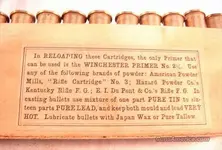
What color showed when you cut into the metal? Yellow, orange, pink, or silver-ish? The term "lead-alloy" means another metal (such as tin or zinc or antimony) was added to the molten lead, making it harder -- but the lead-alloy is still not nearly as hard a metal as iron or brass. See the 1886 Winchester bulletcasting lead "recipe" at the end in the photo below.

I should mention:
Many post-civil-war bullets were made of lead-alloy (sometimes called "hardened-lead"... and because they were not 100% lead they don't develop the nice white/greyish-white lead patina we see on dug lead Minie-bullets.
 

Attachments

  • bulletcasting-metal-FORMULA_for45-70_from-1886-Winchester-box_pop_wm_2557827.webp
    bulletcasting-metal-FORMULA_for45-70_from-1886-Winchester-box_pop_wm_2557827.webp
    28.7 KB · Views: 77
Upvote 0
The color was silver-ish.
 
Upvote 0
Mine is flat on the ver top but I see what CBG means about the lead not making a bell sound like a brass material would. The shape of the one LIAG posted is what had me believing that is what it was.mine looks silvery gray but was a little white when first dug.
 
Upvote 0

Users who are viewing this thread

Back
Top Bottom