What's new

Detecting in Florida waters

OBXmetalDet

Sr. Member
Joined
Aug 25, 2019
Messages
381
Reaction score
281
Golden Thread
0
Location
Virginia
Detector(s) used
Minelab Equinox 900
Primary Interest:
All Treasure Hunting
I know about the 1715 leases off of Vero Beach, Ft. Pierce, etc.

Where is the Northern most leased spot? Where can you start detecting in the water?

I thought I read somewhere that a lot of Spanish coins were found in that area.
 
Last edited:
Upvote 0
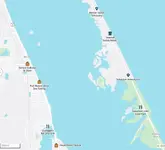
I posted map on another thread. From about 5 miles south of Ft Pierce to about 1/4 mile north of Sebastian inlet is the restricted Treasure Coast


94eb75e2760b457a7921923889afa3c4.webp


69662449266c7abd69dc8d2e79cca87b.webp
 
I posted map on another thread. From about 5 miles south of Ft Pierce to about 1/4 mile north of Sebastian inlet is the restricted Treasure Coast


View attachment 2217813

View attachment 2217815
And why do the authorities make that area off limits? They don't want people finding Spanish coins in the water with their detectors? I would think that existing ordinances that keep people from dredging in the surf with big equipment would also apply here.
 
And why do the authorities make that area off limits? They don't want people finding Spanish coins in the water with their detectors? I would think that existing ordinances that keep people from dredging in the surf with big equipment would also apply here.
State law, the state owns the rights to the wrecks and treasure.

Lease owners pay the state for the right to the lease to search and recover treasure and the state gets 20% of treasure found, state choice of what they keep. Lease holders are required to report all finds made.

If you illegally hunt in the water you are violating state law, trespassing on lease area and stealing from lease owners and the state, lease owners have invested large sums.

It is really simple, in area of the Treasue Coast lease stay out of water with metal detector. You can hunt from toe of dunes to waters age, but can not put coil in water in lease area.

The state can legally confiscate violators detector, scoop, all equipment and even boat, and your vehicle if they want to get nasty, especially if they believe you are intentionally violating the law to search and recover treasure in violation of state laws, it is stealing from the state and lease owners.
 
And why do the authorities make that area off limits? They don't want people finding Spanish coins in the water with their detectors? I would think that existing ordinances that keep people from dredging in the surf with big equipment would also apply here.

Right. A guy can pick up a coral rock to find some coins and they will say he's destroying the environment; therefore we need to protect it. Meanwhile, Mel Fisher was using a homemade sandblaster (he called a mailbox) to blow holes into the ocean floor a few feet deep and somehow that's ok.
 

Attachments

  • Sebastian Inlet State Park.webp
    Sebastian Inlet State Park.webp
    25.5 KB · Views: 76
Right. A guy can pick up a coral rock to find some coins and they will say he's destroying the environment; therefore we need to protect it. Meanwhile, Mel Fisher was using a homemade sandblaster (he called a mailbox) to blow holes into the ocean floor a few feet deep and somehow that's ok.
That was PRE the laws that now exist.
 
Thank you for posting this. In my attached pic, I see Sebastian Inlet State Park, but I don't see the inlet itself. Where on here would it be ok to detect in the water (starting with the Southern most location)?


If you type Sebastian Inlet into Google maps it should comesl right up.

1000025852.webp
 
If you type Sebastian Inlet into Google maps it should comesl right up.

View attachment 2217944
A 1/4 mile North of Sebastian Inlet is still in the green area which is still Sebastian Inlet State Park or Long Point Park. If you're detecting offshore of either of those parks is that legal?
 
A 1/4 mile North of Sebastian Inlet is still in the green area which is still Sebastian Inlet State Park or Long Point Park. If you're detecting offshore of either of those parks is that legal?

No, submerged areas are off-limits for metal detecting within state parks. In the state park you can hunt from toe of dunes to water line only. North of state park boundary you can hunt in the water.
 
State law, the state owns the rights to the wrecks and treasure.

Lease owners pay the state for the right to the lease to search and recover treasure and the state gets 20% of treasure found, state choice of what they keep. Lease holders are required to report all finds made.

If you illegally hunt in the water you are violating state law, trespassing on lease area and stealing from lease owners and the state, lease owners have invested large sums.

It is really simple, in area of the Treasue Coast lease stay out of water with metal detector. You can hunt from toe of dunes to waters age, but can not put coil in water in lease area.

The state can legally confiscate violators detector, scoop, all equipment and even boat, and your vehicle if they want to get nasty, especially if they believe you are intentionally violating the law to search and recover treasure in violation of state laws, it is stealing from the state and lease owners.
I was just curious. I live on Florida's west coast, so it's not a worry. At least people in the greater Melbourne area can detect in the water if they wish.
 
No, submerged areas are off-limits for metal detecting within state parks. In the state park you can hunt from toe of dunes to water line only. North of state park boundary you can hunt in the water.

This is very helpful. Thank you.
 
This is very helpful. Thank you.
Note Florida only allows detecting in state parks that border ocean, and that is based upon approval by head ranger.

Under Florida law All inland state parks are off limits to detecting. Always check with the state park headquarters to be sure it is legal to detect in a particular park on ocean, not all allow it.
 
Last edited:
Note Florida only allows detecting in state parks that border ocean, and that is based upon approval by head ranger.

Under Florida law All inland state parks are off limits to detecting. Always check with the state park headquarters to be sure it is legal in a particular park.
I know that's true in Clearwater. It's a pity, because there are some really old parks in the city limits that I'm positive have tons of old, lost coins and such. I'll bet the state leaders who made the rule thought that detectorists would leave gopher-like holes everywhere. Better to be safe than sorry and just ban the lot of them.
 
I know about the 1715 leases off of Vero Beach, Ft. Pierce, etc.

Where is the Northern most leased spot? Where can you start detecting in the water?

I thought I read somewhere that a lot of Spanish coins were found in that area.
FYI…..present Inlet is not the same location of the original
 
If you were further East (further out in the ocean) of the Eastern boundaries of any of these lease areas, could you legally metal detect underwater?

In Florida, state waters extend from the coastline out to 3 nautical miles on the Atlantic side and 9 nautical miles on the Gulf side, then federal waters begin
 

Users who are viewing this thread

Latest Discussions

Back
Top Bottom