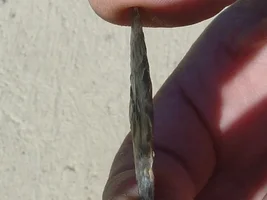
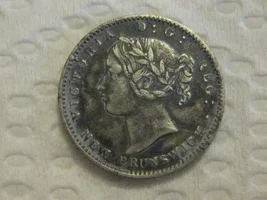
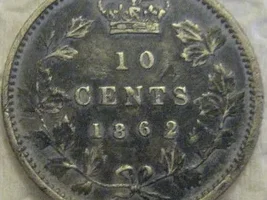
I bet it is more people that a number can be put on that quit before they really begin.
I had metal detected in the late 70s with my dad. He never really found anything other than change. I remember how mellow dramatic this all was and I got bored easily. Fast forward to the late 90s and I bought my first detector, but I didn't know much about it or really how to pick out the finds. I only used it perhaps 6 times a year. I dusted it back off in 2006 and found my first wheat cent and started to detect a little more. In 2009 or so, I started to detect more and take it serious, but then I just didn't know where to go and was frustrated with finding a lot of junk and change. Only last year, I started to get real serious and research, door knock and purchase a lot of equipment. This was after finding more wheat cents and then getting enough nerve to knock and ask permission at this one house. To date this house has probably the best finds I have run into. I am talking seated dimes, mercury dimes, silver halves and tons of wheats. This was all it took for me to start up grading my equipment and take it REALLY serious. Going back to picking out the good targets, I only got really good at this less than a year ago, to a point of being able to find coins in aluminum and trash all because I really know my equipment after hundreds of hours of use. I can now talk with folks who have detected for 20-30 years and hang with them because of being fairly successful and mostly consistent for the last year and a half.
I get a lot of people who tell me that they are interested in detecting and then I offer them to swing my back up detector and then they loose interest really quick. I think that a lot of the people I deal with do not want to put the work into it and/or are intimidated to try. I used to get really self-conscious about even how I was digging a hole because I was teaching myself and had not really had anyone to show me anything so I understand where some of it is coming from.
It really boils down to a few variables to be successful:
Decent equipment, work ethic (includes patience) and good areas. Time on the equipment will only then improve an ideal situation even more.
My goals are fairly simple (although it doesn't always work) and that is to door knock at least once a week, swing every chance I get and try and find at least a silver dime every other week. This keeps me in practice with talking with people, knowing my equipment and making a goal of finding older areas.