What's new

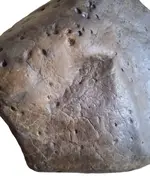
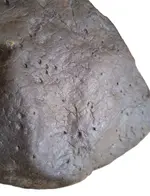
melted rock

Are these contraction cracks?
 

Attachments

  • IMG_20250720_185755.webp
    IMG_20250720_185755.webp
    268.9 KB · Views: 67
  • IMG_20250720_185806.webp
    IMG_20250720_185806.webp
    288 KB · Views: 67
SOLVED, it is just a sandstone after all, i broke a piece off. now it is back in the river.
 
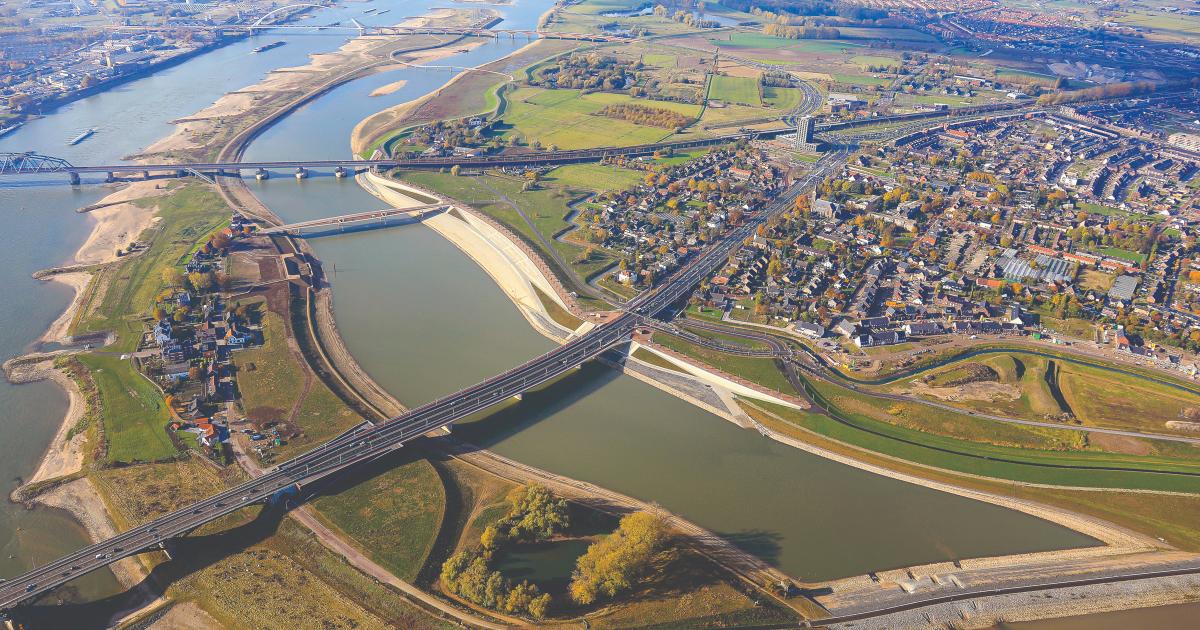
it is a river not a sea, and they are river cribs made of basalt blocks. my stone is more feldspathic in nature not basaltic.
Similar construction as sea wall. Similar rocks too! :)

Was your rock located around the river?

Do you live in Netherlands?

Thanks for sharing! :)

- Geowizard
 
SOLVED:

Bingo! :occasion14:

Search:

Basalt near the...
Spiegelwaal in Nijmegen, Netherlands, refers to the construction material used for bank protection, specifically in the form of rock groynes, barriers, and reinforcement blocks. These basalt blocks, along with asphalt, form a barrier between the river Waal and its new secondary channel, the Spiegelwaal.

Key Details on Basalt at Spiegelwaal:

Function: The basalt blocks are used for reinforcing the river bottom and banks, particularly to prevent erosion.
Location: They are present along the banks, in river groynes, and in the barriers separating the main river from the Spiegelwaal channel.
Visibility: These structures are often visible, especially during periods of low water levels, such as in summer.

These volcanic rocks are imported for hydraulic engineering projects in the Netherlands, including the stabilization of the Waal riverbed near the Nijmegen Waalkade.

Fun Stuff! 🤓

- Geowizard
 
SOLVED:

Bingo! :occasion14:

Search:

Basalt near the...
Spiegelwaal in Nijmegen, Netherlands, refers to the construction material used for bank protection, specifically in the form of rock groynes, barriers, and reinforcement blocks. These basalt blocks, along with asphalt, form a barrier between the river Waal and its new secondary channel, the Spiegelwaal.

Key Details on Basalt at Spiegelwaal:

Function: The basalt blocks are used for reinforcing the river bottom and banks, particularly to prevent erosion.
Location: They are present along the banks, in river groynes, and in the barriers separating the main river from the Spiegelwaal channel.
Visibility: These structures are often visible, especially during periods of low water levels, such as in summer.

These volcanic rocks are imported for hydraulic engineering projects in the Netherlands, including the stabilization of the Waal riverbed near the Nijmegen Waalkade.

Fun Stuff! 🤓

- Geowizard
oke that is very cool thanks for the research
 

Users who are viewing this thread

Back
Top Bottom