What's new

melted rock?

rockpassion

Hero Member
Joined
Oct 5, 2024
Messages
540
Reaction score
605
Golden Thread
0
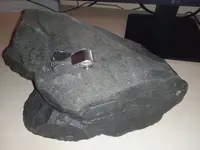
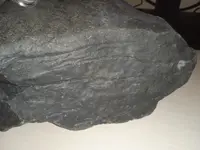
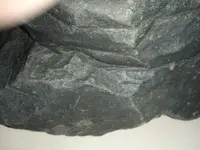
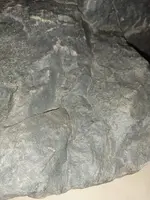
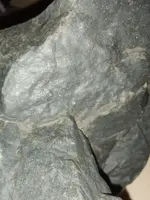
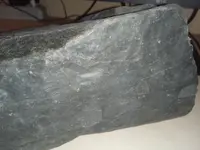
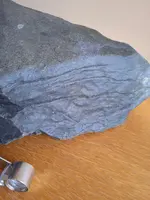
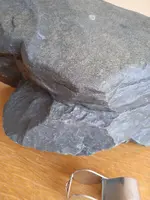
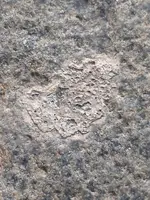
I have found a strange rock that has features of melt and i don't think it is a ventifact because the surface is to eragular in my opinion. Is it a molten rock?
 

Attachments

  • IMG_20251204_224839_1.webp
    IMG_20251204_224839_1.webp
    681.8 KB · Views: 89
  • IMG_20251204_224819.webp
    IMG_20251204_224819.webp
    927.5 KB · Views: 48
  • IMG_20251204_224846.webp
    IMG_20251204_224846.webp
    1.2 MB · Views: 39
  • IMG_20251204_225049_1.webp
    IMG_20251204_225049_1.webp
    1.3 MB · Views: 46
  • IMG_20251204_225143_1.webp
    IMG_20251204_225143_1.webp
    886.9 KB · Views: 49
  • IMG_20251204_224934_1.webp
    IMG_20251204_224934_1.webp
    981.9 KB · Views: 45
  • IMG_20251204_225059_1.webp
    IMG_20251204_225059_1.webp
    1.2 MB · Views: 54

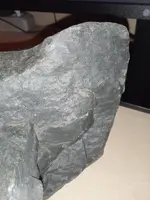
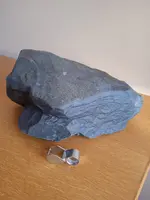
here a new photo's of the whole rock, with a patch of melt on top.
 

Attachments

  • IMG_20251205_113051.webp
    IMG_20251205_113051.webp
    978.5 KB · Views: 30
  • IMG_20251205_113057_1.webp
    IMG_20251205_113057_1.webp
    1.4 MB · Views: 38
  • IMG_20251205_113103_1.webp
    IMG_20251205_113103_1.webp
    953.5 KB · Views: 43
  • IMG_20251205_113108.webp
    IMG_20251205_113108.webp
    1.4 MB · Views: 37
  • IMG_20251205_111500.webp
    IMG_20251205_111500.webp
    822.8 KB · Views: 45
Last edited:
Is it a molten rock?
No. If it were molten, it would be liquid or nearly so. It could be igneous, which would have been molten at some point in the past, but I don't know. The "melt spot" looks like old glue to me -- I'd expect a melt spot to be slick and smooth, maybe even glassy (like obsidian) not rough and coarse like that.
 
:dontknow:

Beats me. Maybe someone with more knowledge will answer.
 
Not all rocks were originally formed from molten material; only igneous rocks(like granite, basalt) start as magma/lava, but sedimentary rocks (sandstone, limestone) form from weathered bits of other rocks, and metamorphic rocks (marble, slate) are transformed existing rocks due to heat/pressure, making the rock cycle a continuous transformation where any rock type can become another, with igneous being the starting point for Earth's crust.
Here's how the three rock types form:
  1. Igneous Rocks: Form directly from the cooling and solidification of molten rock (magma below ground, lava on the surface).
  2. Sedimentary Rocks: Weathering breaks down existing rocks into sediments (sand, mud, shells) that get deposited, compacted, and cemented over time into new layers.
  3. Metamorphic Rocks: Existing igneous, sedimentary, or even other metamorphic rocks are transformed by intense heat and pressure deep within the Earth, changing their mineral structure.
The Rock Cycle:
  • All rocks are constantly changing.
  • Igneous rocks can be weathered into sediment (becoming sedimentary) or heated/pressurized (becoming metamorphic).
  • Sedimentary rocks can be buried and transformed into metamorphic rocks or melted into magma (becoming igneous).
  • Metamorphic rocks can melt into magma or be uplifted and weathered.
So, while Earth's crust began with igneous rocks, the vast majority of rocks on the surface today (sedimentary) and many others (metamorphic) were formed through processes other than directly cooling molten material.
 

Users who are viewing this thread

Latest Discussions

Back
Top Bottom