- Joined
- May 16, 2023
- Messages
- 7,184
- Reaction score
- 34,769
- Golden Thread
- 0
- Detector(s) used
- XP Deus II
White's Spectra v3i
Garrett Ultra GTA 1000
Whites Coinmaster
- Primary Interest:
- All Treasure Hunting
- #1
Thread Owner
Bottle Vitals
| Date | Color | Shape | Size (Height x Width x Depth) | Value* | |
| Paine's Celery Compound | 1890s | Brown | Rectangular | 9.5" x 2.5" x 2.5" | $15.00 |
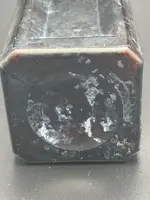
Bottle Views (click to enlarge):
| Front | Back | Side | Side | Bottom |
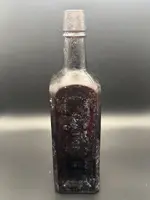 | 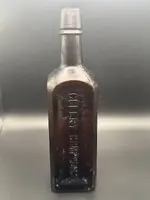 | 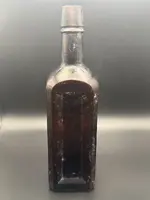 | 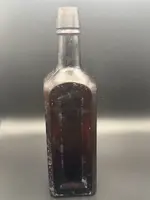 |  |
Paine's Celery Compound was invented by Milton K Paine in the late 1800s, probably in 1874, and was a very popular patent medicine of the time. It was widely sold and the bottles are still a common find in old bottle dumps. It was marketed as a "nerve tonic" and "blood purifier" and could cure just about anything, at least according to their advertising.
Its was presented as a tonic for the nerves made from celery. They featured the celery prominently in their advertising and on their packaging.
Indeed it did have celery in it, along with several other herbal ingredients that are still recognized and used in supplements and teas to this day. But it had several other ingredients that likely had more of an effect than the celery. Prior to 1906, the ingredients were listed as celery seed, red cinchona, orange peel, coriander seed, lemon peel, hydrochloric acid, glycerine, simple syrup, water, and alcohol. Some sources also list coca leaves. After the Pure Food and Drug Act of 1906, the formula was listed as celery seed, calisia bark, sagrada, cascara, senna leaves, prickly ash bark, sarsaparilla root, hops, ginger root, dandelion root, mandrake root, blackhaw, chamomile flowers, black cohosh root, yellow dock root, potassium nitrate, glycerin, sugar and water. Alcohol content was listed at just under 20%, which is pretty potent.
They ran full page ads all over the country, in multiple languages. They even used politicians and celebrities to endorse the products, like this one:
It purported not just to make you feel better, but to actually heal you. Whether it did so is debatable, but it was certainly popular.
Back in the day, the bottle would have had paper labels to with instructions and other information. Something like this example found online:
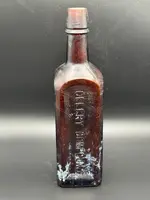
Here is the bottle before and after cleaning with soap and water. I'm not sure why the color seems darker in the second photo, it's the same bottle in the same Lightbox. Click to enlarge:
* Value is an estimate based on sold listings of similar bottles online at the time of posting. Value will vary considerably with condition.