- Joined
- May 16, 2023
- Messages
- 7,190
- Reaction score
- 34,789
- Golden Thread
- 0
- Detector(s) used
- XP Deus II
White's Spectra v3i
Garrett Ultra GTA 1000
Whites Coinmaster
- Primary Interest:
- All Treasure Hunting
- #1
Thread Owner
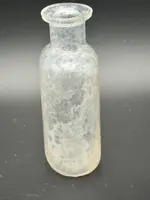
Bottle Vitals
| Date | Color | Shape | Size (Height x Diameter) | Value* | |
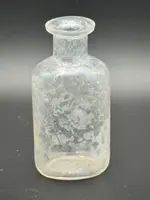
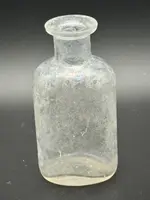
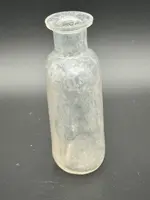
| Parke Davis & Co. Fluid Extract | 1880s | Clear | Oval | 3.5" x 1.75" x 1.25" | $20.00 |
Bottle Views (click to enlarge):
| Front | Back | Side | Side | Bottom |
 |  |  |  | 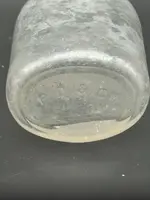 |
| P. D. & CO 139 |
Parke Davis & Company got its start in Detroit, Michigan in 1866., as a partnership between Dr. Samuel Duffield and business manager Hervey C Parke. They marketed various elixirs and ointments that were manufactured in a laboratory behind Dr Duffield's drugstore. In 1867, they brought George S Davis into the business to enter the wholesale market and expand the business. In 1871, Dr. Duffield fell into poor health and left the company to back into medical practice, leaving just Parke and Davis, who formally adopted the Parke Davis & Company name in 1871 and incorporated under that name in 1875.
Parke Davis rapidly expanded and innovated, creating different formulas and inventing the machine-made gelatin capsule in the late 1800s. They built laboratories and manufacturing facilities in several cities, and even internationally.
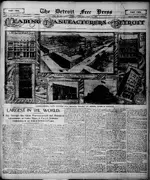
They would eventually become the world's largest drug manufacturer for the time, and were the second-largest industry in Detroit (stove makers were the largest). Here is a full page article about them from 1900 (click to enlarge):
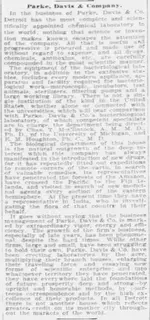
The company was widely recognized and celebrated for their contributions to medicine and drug standardization, quality control, and innovation. Here are a couple of articles from the 1890's discussing the company (click to enlarge)
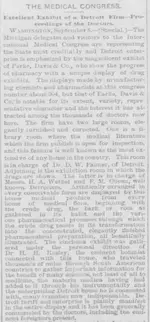
They not only grew various plants and herbs to make their extracts, but also sent their researchers all over the world to track down new cures. Here is an article about an expedition one of their researchers went on in 1897. He was looking for, among other things, Cinchona, which is what Quinine was derived from. The article describes his travels, his introduction to piranhas, and a group of natives who punished unfaithfulness by tying the perpetrator to a tree and letting them be eaten by ants. The article has a strange way of closing after piranhas and man-eating ants, but I'll leave that to you to decide. Click to enlarge.

The search for Cinchona was important, because that's what this bottle would have contained. While I could not find any examples of this bottle with an intact label, I did find their 1898 product catalog, with all of their products numbered. Since the bottle has the number 139 on the bottom, and assuming that is the product number, it could only be one of two products. One product numbered 139 was Camphor and Opium pills, but all the example of pill bottles that I could find from that period had much larger openings. The bottles with narrow necks seemed to be for fluids -- and the only fluid product number 139 was a Cinchona Aromatic extract. So I'm going to assume that's what this bottle contained. It was available "straight" in a 12 oz bottle, but this bottle is far too small for that, so it would have been either the "Sweet Orange Peel" variety or the "Fluid Cardamom Comp." variety. Without the label, there's no way to know for sure.
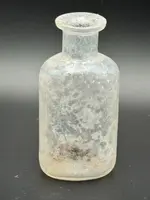
The cleanup on this bottle didn't change it too much. Here's the before and after. Just soap and water and brushes were used.
* Value is a total wild guess on this one. I could not find any examples of this exact bottle sold, or even any that were the same style (apparently called a "Philadephia Oval" style) from Parke Davis.