Patriot Relics
Silver Member
Hey guys,
I was very fortunate to land on a Revolutionary War site permission that has produced some incredible relics. As a military guy, these early sites...often undocumented...are the holy grail of metal detecting dirt. The opportunity to dig and hold any artifact that dates from the origins of our country is truly special. While I have been fortunate to dig a variety of buttons and musket balls around the Lowcountry, I had never recovered a buckle. The first target gave off one of those to good to be true signals (deep iron/ aluminum can), I initially passed right over the target. Who would have guessed- sling buckle!
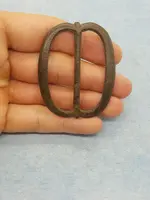
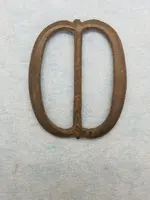
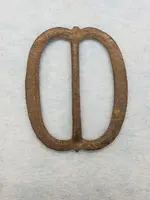
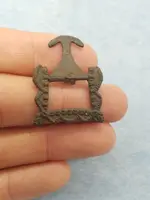
Long soak in mineral oil and a renaissance wax finish has it looking as good as the day it was dropped. Just a few feet away I got another nice signal- very ornate knee buckle.
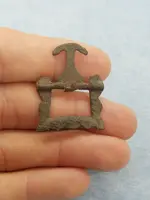
Along the same erosion lines, all the tell tale signs of early military occupation...musket ball...musket ball...musket ball. A curious assortment of both American 69 caliber and British 75 caliber.
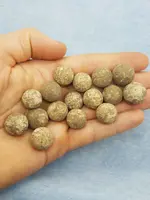
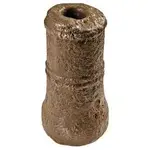
No far from the musket ball concentration, I got a slamming signal. Having nearly missed the buckle, I was now digging everything. Pin point, widened the plug, and pulled a heavy piece of shaped lead. Initially I though it might be an lead ignot, but further cleaning reveal a touch hole at the base and a hollow center. Further research, and confirmation from Don Troiani, revealed that I had recovered a soldier's powder tester. This particular example is likely camp made, containing an iron cap at the base (meant to sustain the percussion of lighting powder before battle) and cast around a lead alloy.
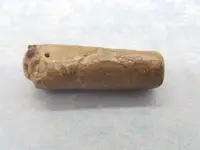
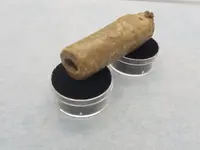
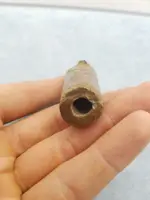
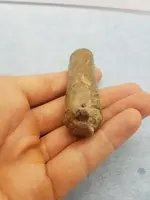
A small amount of powder was ignited via the touch hole to verify its lack of moisture and ensure proper function when it mattered most. While I was able to find period iron/cast bronze powder testers (also referred to as hand cannons) in a few museum collections online, the idea of recovering one in the field had me shaking. Without a doubt my favorite military relic recovered to date.
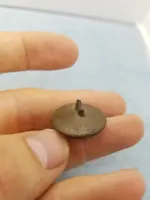
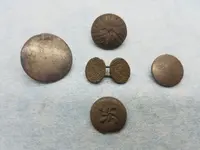
In the same area I recovered a few heavy tombac buttons- construction far thicker than the civilian varieties I have recovered in the past.
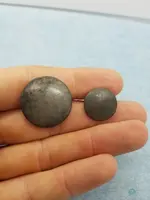
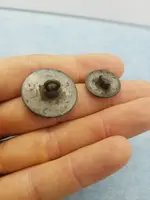
The next big surprise was a faint deep whisper signal. Again, dug down carefully and wrapped by glove another my first set of intact cufflinks.
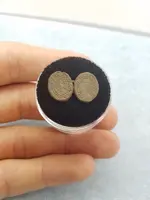
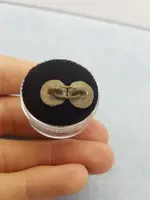
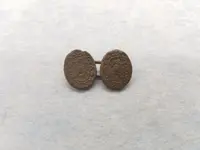
I've dug partial in the past, but there are on a different level- careful toothpicking and a wax coat brought out the details.
Also scored a mid 18th century 2 piece button
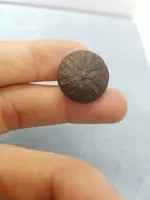
Here's a group shot of the buttons
After the more obvious targets had been exhausted I started swinging low and slow. This one was a bit of a mystery when I came out, but I later ID'd it was the termination end of a ramrod guide.
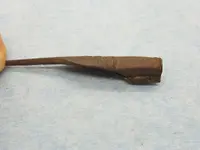
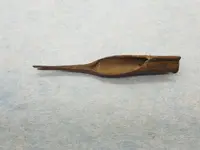
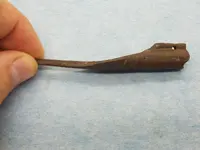
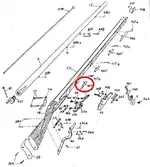
Not quite right for a brown bess, but perhaps an American musket of some kind. Also scored a scabbard clip
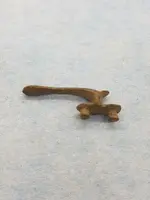
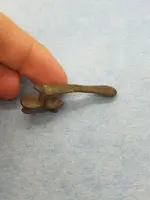
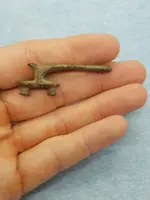
Looking for a bit of help with this one- appears it originally was attached to something...maybe a fabric or leather. One of the lugs has been lost. Perhaps a cloak clasp? updated ID- spur buckle
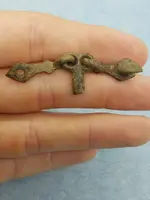
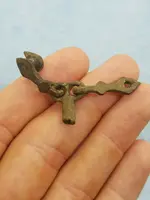
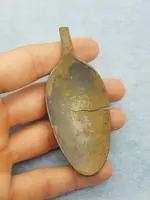
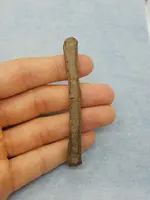
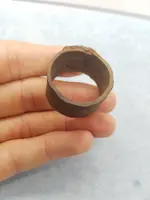
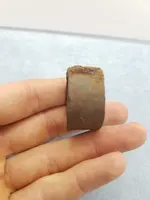
Among the other digs was a pewter spoon bowl, handle, and barrel band.
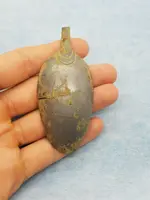
Also dug a few poker chips- flatted from musket balls
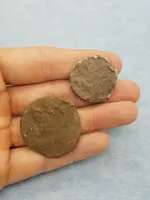
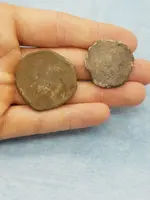
Some incredible pieces of history and of our nation's fight for independence...couldn't be happier to add these relics to the display before a long break from digging. Hopefully a few more goodies hiding in that soil, but they'll have to wait a few months. As always thanks for looking and good luck out there
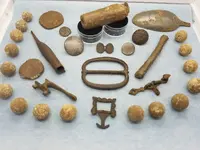
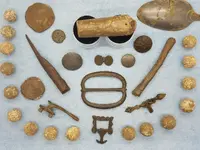
I was very fortunate to land on a Revolutionary War site permission that has produced some incredible relics. As a military guy, these early sites...often undocumented...are the holy grail of metal detecting dirt. The opportunity to dig and hold any artifact that dates from the origins of our country is truly special. While I have been fortunate to dig a variety of buttons and musket balls around the Lowcountry, I had never recovered a buckle. The first target gave off one of those to good to be true signals (deep iron/ aluminum can), I initially passed right over the target. Who would have guessed- sling buckle!
Long soak in mineral oil and a renaissance wax finish has it looking as good as the day it was dropped. Just a few feet away I got another nice signal- very ornate knee buckle.
Along the same erosion lines, all the tell tale signs of early military occupation...musket ball...musket ball...musket ball. A curious assortment of both American 69 caliber and British 75 caliber.
No far from the musket ball concentration, I got a slamming signal. Having nearly missed the buckle, I was now digging everything. Pin point, widened the plug, and pulled a heavy piece of shaped lead. Initially I though it might be an lead ignot, but further cleaning reveal a touch hole at the base and a hollow center. Further research, and confirmation from Don Troiani, revealed that I had recovered a soldier's powder tester. This particular example is likely camp made, containing an iron cap at the base (meant to sustain the percussion of lighting powder before battle) and cast around a lead alloy.
A small amount of powder was ignited via the touch hole to verify its lack of moisture and ensure proper function when it mattered most. While I was able to find period iron/cast bronze powder testers (also referred to as hand cannons) in a few museum collections online, the idea of recovering one in the field had me shaking. Without a doubt my favorite military relic recovered to date.
In the same area I recovered a few heavy tombac buttons- construction far thicker than the civilian varieties I have recovered in the past.
The next big surprise was a faint deep whisper signal. Again, dug down carefully and wrapped by glove another my first set of intact cufflinks.
I've dug partial in the past, but there are on a different level- careful toothpicking and a wax coat brought out the details.
Also scored a mid 18th century 2 piece button
Here's a group shot of the buttons
After the more obvious targets had been exhausted I started swinging low and slow. This one was a bit of a mystery when I came out, but I later ID'd it was the termination end of a ramrod guide.
Not quite right for a brown bess, but perhaps an American musket of some kind. Also scored a scabbard clip
Looking for a bit of help with this one- appears it originally was attached to something...maybe a fabric or leather. One of the lugs has been lost. Perhaps a cloak clasp? updated ID- spur buckle
Among the other digs was a pewter spoon bowl, handle, and barrel band.
Also dug a few poker chips- flatted from musket balls
Some incredible pieces of history and of our nation's fight for independence...couldn't be happier to add these relics to the display before a long break from digging. Hopefully a few more goodies hiding in that soil, but they'll have to wait a few months. As always thanks for looking and good luck out there
Last edited:
Upvote
117