- #1
Thread Owner
10 Toxic US Plants That Are Actually Expensive Medicine (When Used Correctly)They grow in gardens, roadsides, and forests, but few realize that these deadly plants hide compounds worth hundreds, even thousands of dollars in modern medicine.
LOL there was Tons of Pokeweed and Elderberry Where I Grew up ,
Elderberry Berries Were a Bit Bitter, But as A kid I Couldn't Resist eating a couple off the Tree out Back of the Neighbors occasionally for that bitter Taste . they are so tiny, 1 or 2 , probably safer then eating a fly
Pokeweed, (poison Berries)
All I Knew of it was From Word of Mouth ! that they were Poison.
They Grew Freely along the Back Alley Too
I've seen the Angel’s Trumpets in Peoples Yards, Possibly even My Neighbors & Grandmothers Yard when she Lived at the Cider Mill.
Some of th Othrs Look Familiar Also
00:00 | Introduction - Poison and cure, fear and healing, sometimes they come from the same leaf.
01:09 | Angel’s Trumpet (Brugmansia suaveolens) - Banned in several states for its hallucinogenic effects, yet used in labs to create drugs for Parkinson’s and heart arrhythmias.
03:30 | Pokeweed (Phytolacca americana)- Every part of this plant is toxic, but researchers are investigating PAP protein for its potential in cancer and HIV therapy.
05:52 | Elderberry (Sambucus spp.) - Found in pricey flu syrups, but raw berries, bark, and roots can release cyanide if improperly prepared.
07:46 | Great Mullein (Verbascum thapsus) - Once smoked by pioneers to ease tuberculosis symptoms, now featured in respiratory teas, lozenges, and tinctures.
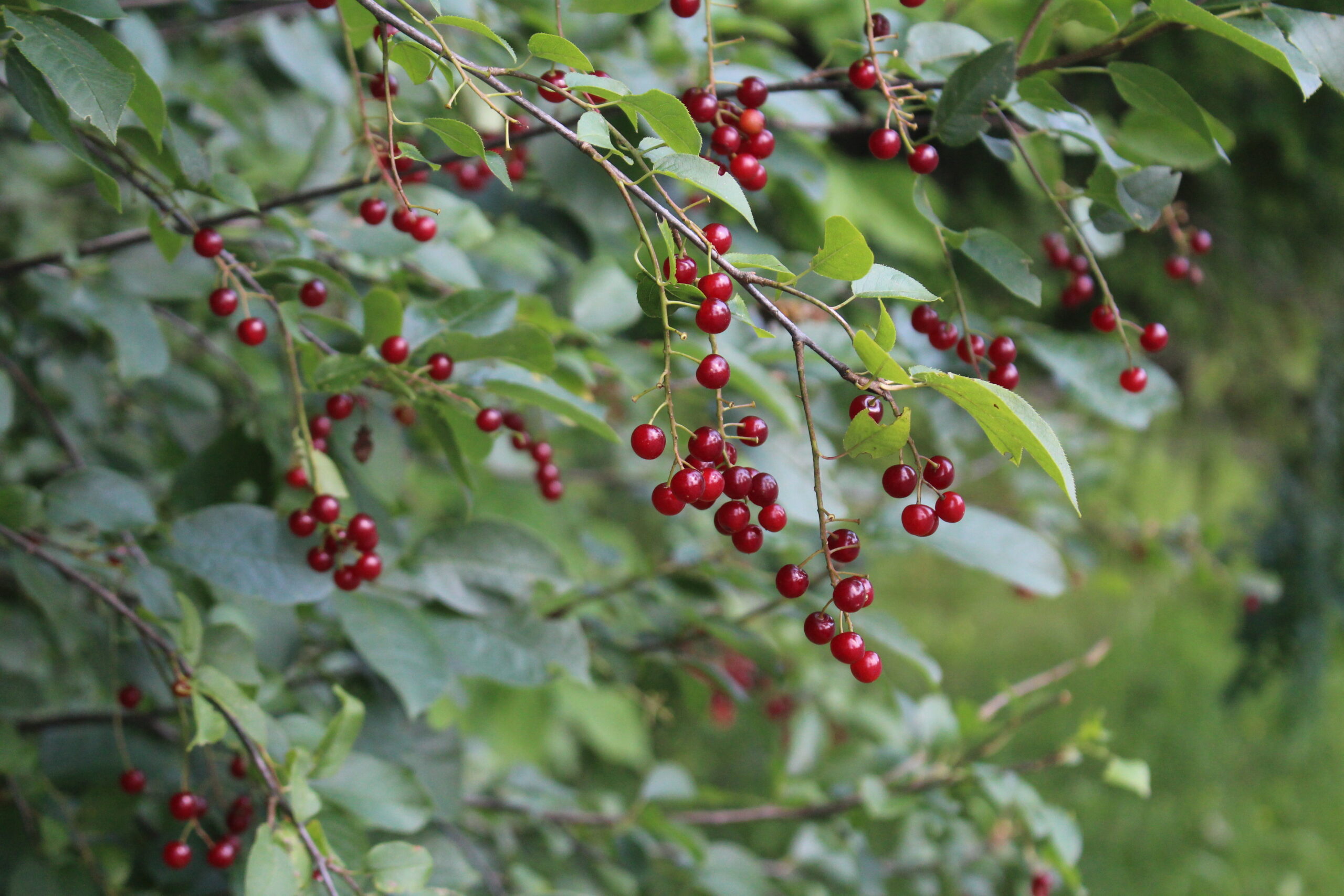
09:45 | Wild Cherry Bark (Prunus serotina) - Contains hydrogen cyanide in raw form, but once carefully processed, it becomes a powerful cough suppressant.
11:38 | Willow Bark (Salix spp.) - This tree gave birth to aspirin. Contains salicin, a natural anti-inflammatory studied since ancient Egypt and Greece.
13:50 | Burdock Root (Arctium lappa) - A misunderstood weed with deep detox potential, supports liver and gut health but may absorb heavy metals from soil
16:11 | Yellow Dock (Rumex crispus) - Folk medicine labeled it a “blood purifier.” Its compounds are now being explored for liver support and mineral absorption.
18:25 | Bearberries (Arctostaphylos uva-ursi) - A classic UTI remedy, effective in moderation, but high doses of hydroquinone can damage liver and kidneys.
20:55 | Red Clover (Trifolium pratense) - Once livestock feed, now a natural support for menopause. Rich in phytoestrogens that mimic human hormones.
So the next time you see a “poisonous” plant… it might just be nature’s most valuable medicine in disguise.
LOL there was Tons of Pokeweed and Elderberry Where I Grew up ,
Elderberry Berries Were a Bit Bitter, But as A kid I Couldn't Resist eating a couple off the Tree out Back of the Neighbors occasionally for that bitter Taste . they are so tiny, 1 or 2 , probably safer then eating a fly
Pokeweed, (poison Berries)
All I Knew of it was From Word of Mouth ! that they were Poison.
They Grew Freely along the Back Alley Too
I've seen the Angel’s Trumpets in Peoples Yards, Possibly even My Neighbors & Grandmothers Yard when she Lived at the Cider Mill.
Some of th Othrs Look Familiar Also
00:00 | Introduction - Poison and cure, fear and healing, sometimes they come from the same leaf.
01:09 | Angel’s Trumpet (Brugmansia suaveolens) - Banned in several states for its hallucinogenic effects, yet used in labs to create drugs for Parkinson’s and heart arrhythmias.
03:30 | Pokeweed (Phytolacca americana)- Every part of this plant is toxic, but researchers are investigating PAP protein for its potential in cancer and HIV therapy.
05:52 | Elderberry (Sambucus spp.) - Found in pricey flu syrups, but raw berries, bark, and roots can release cyanide if improperly prepared.
07:46 | Great Mullein (Verbascum thapsus) - Once smoked by pioneers to ease tuberculosis symptoms, now featured in respiratory teas, lozenges, and tinctures.
09:45 | Wild Cherry Bark (Prunus serotina) - Contains hydrogen cyanide in raw form, but once carefully processed, it becomes a powerful cough suppressant.
11:38 | Willow Bark (Salix spp.) - This tree gave birth to aspirin. Contains salicin, a natural anti-inflammatory studied since ancient Egypt and Greece.
13:50 | Burdock Root (Arctium lappa) - A misunderstood weed with deep detox potential, supports liver and gut health but may absorb heavy metals from soil
16:11 | Yellow Dock (Rumex crispus) - Folk medicine labeled it a “blood purifier.” Its compounds are now being explored for liver support and mineral absorption.
18:25 | Bearberries (Arctostaphylos uva-ursi) - A classic UTI remedy, effective in moderation, but high doses of hydroquinone can damage liver and kidneys.
20:55 | Red Clover (Trifolium pratense) - Once livestock feed, now a natural support for menopause. Rich in phytoestrogens that mimic human hormones.
So the next time you see a “poisonous” plant… it might just be nature’s most valuable medicine in disguise.
Last edited:

 You Apparently Didn't Watch it