What's new

Soccer field finds

CityDigger

Full Member
Joined
Dec 30, 2012
Messages
143
Reaction score
78
Golden Thread
0
Location
Virginia
Detector(s) used
Teknetics T2
Garrett AT Pro
XP Deus
Primary Interest:
Relic Hunting
Posted this on the General Board for advice on location selection but thought the pics may pertain more over here...

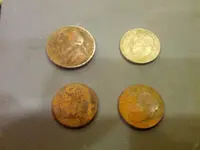
Talked to our school principal the other day and got permission to pick around the sports fields out back. The first day I found a 1864 two cent piece (I think, see pic) within about 10 minutes. Since then, I've put in about 6 more hours and collected quite a few modern coins and little bit of iron...but that's all. I'm in Williamsburg and from what I know, it is part of a former farm/plantation. So I'm looking for some advice here. Whats the chance that my first find was a total fluke? I'm a newbie by all accounts and just trying to figure out how you all determine a good area from one that's not. Sounds like a silly question, but I think you know what I mean. Here's a shot from what I found today along with a pic of the two cent piece. Thanks in advance.

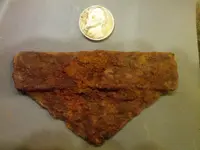
By the way...any idea what that iron is?
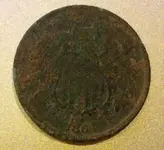
1864 two cent piece.webp1-28 iron.webp1-28 coins.webp
 
Upvote 0
silence. Help a digga out!
 
Your second post made me laugh! Nice finds. I don't think it is a fluke but a lot less of those out there then other stuff. My first find last year was a nice mercury dime and haven't found silver since, but I have learned my machine along the way so that when I do pass over silver again hopefully i will not miss it and be able to pinpoint it better. If you are in Williamsburg you can just about dig anywhere and have a better chance of finding something really old then a lot of other places. Sounds like you are doing research and that will be key to future finds. Good lucking hunting and cheers to beginners luck!
 
Thanks for the advice Clovis.
 
Grog,

Everyone here will tell you "research". Go to the library and find anything that you can on the area. Research key words on the Internet that name the location and remember that place, building, street and family names are often spelled differently or changed over time. Sometimes starting a search with the phrase "History of ?(the name of what you're looking for) can turn up good information. If you can talk to anyone in or that knows the area that may be able to give you insight on where a building or crossroad ect. may have been before it was built over. I love to talk to old folks they can be a world of insight on a lot of things. Old maps are probably the most important thing to have when finding what you're looking for and again they can be found on the Internet, in libraries and city/county and state municipalities.
This can take a lot of time and resources and often run to dead ends.

If you have done all of the above or you can't or just haven't done it before you get to the hunt site there are still some things that you can do. First look at the old lay of the land and this can be tricky. Look for tree lines. Look for ditches creeks and other potential waterways. They may have receded and may not be obvious today. Look for high ground. That is usually where buildings once were and often that is near a water source. And once you start digging, are you digging in old or new dirt? Is there any consistency for farm dirt and/or whatever would naturally be there? Also look at what you're digging? Old bricks, glass and pottery chards are indicators of activity in an area. Oyster shells,especially on the East Coast, is one thing that I'm always looking for in holes that I dig. They mean that for one or many reasons someone put them there. People have used them for food source, in building materials and roads and as tools and jewelry since the first man ate one. I look at found Oyster shells as Good Luck and a good place to hunt.

Remember that the closer that you are looking to construction the more likely that whatever was there before has some fill on top of it. Either way, dirt eventually builds up on everything. So listen to soft consistent repeatable tones. They're often good things buried a little deeper.

Your first find is probably not a "fluke". It's more likely Luck but that can go a long way in MDing and treasure hunting. Just read the posts on this forum and you will see how luck goes hand in hand with research and we all wish we had more of it.

Best of Luck!
You may have just become addicted to something that could ruin all that you once cherished!

Barry
 
In this area coins could be dropped for a variety of reasons. I have found large cents completely by themselves. other times when slowing down and hunting the area more closely I find a house site. The trick is to always slow down. Congrats on a nice coin, they did not make them for too long and 64 is a good date!

Dan
 

Users who are viewing this thread

Back
Top Bottom