ohdigger
Jr. Member
- Joined
- Feb 15, 2009
- Messages
- 87
- Reaction score
- 42
- Golden Thread
- 0
- Location
- south east .ohio
- Detector(s) used
- Whites XLT & sovereign gt
Upvote
0
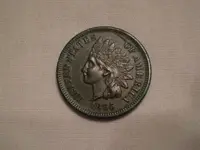
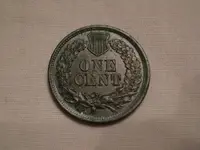
I would venture to say it is just coincidence, because I have dug beautiful ones from 1860's all thru the 1900s............and I have also dug green crusty ones in all yrs too, it all depends on the soil they were lost in!rhedden said:Why is it that the 1864 (bronze) to 1875 Indians survived better in the ground than the later dates? I have beautitful examples of 1864, 1867, 1869, and 1873 that came out of the dirt with little to no corrosion, like your 1865. However, most of the early 1900s dates I have dug were green and bumpy. I do not know of any significant difference in the quality of bronze used for minting coins in those years, so it makes no sense to me. Don't get me wrong- many of the better dates fall in the 1864-1875 range, so I'm more than happy to dig them in nice shape!
rhedden said:Why is it that the 1864 (bronze) to 1875 Indians survived better in the ground than the later dates? I have beautitful examples of 1864, 1867, 1869, and 1873 that came out of the dirt with little to no corrosion, like your 1865. However, most of the early 1900s dates I have dug were green and bumpy. I do not know of any significant difference in the quality of bronze used for minting coins in those years, so it makes no sense to me. Don't get me wrong- many of the better dates fall in the 1864-1875 range, so I'm more than happy to dig them in nice shape!