Depends on what you want and what you think the market is going to do.
If you want government minted silver, then bars/rounds are out of the question, although these are in many cases the cheapest way to own silver.
The first question is what do you want, bullion coins or circulation coins?
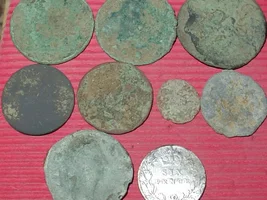
In many cases buying coins that used to be in circulation is cheaper, you take a hit though because of the lower purity and inconvenient sizes (they don't come in easy fractions of troy ounces). Today, due to higher spot prices you can get coins that used to be considered to be collector coins (low-grade Barbers, walkers, standing liberties, merc dimes) for scrap. This gives you a bit of a "fallback" because if the price of silver drops, the coins still retain at least part of their value as numismatic collector items. However, the guidelines for buying numismatic coins are completely different than buying just for scrap, so unless the prices are the same, I'd stick with buying the cheaper silver. The real "winners" in investment grade numismatic coins are high grade pieces. That worn-slick large cent that you can barely make out a date on that you paid $4 for at a coin show just to fill a slot in your type collection will only be worth $4-5 in the near to medium term future. On the other hand the MS-66 large cent that you paid several thousand dollars for, might be worth a couple hundred or thousand more in the future. So, resist the urge to buy low-grade, common coins and expect to see numismatic profit in a few years.
If buying circulation coins is your choice, the next question is foreign or US coins? Many times, foreign coins can be priced as a discount (below spot in some cases!) to their melt value. The important thing is to know the purities of the various coins. Foreign coins have been made from anywhere from 92.5% pure silver (pre-1920 British coins, pre-1920 Canadian coins, pre-1946 Australian coins, etc.) down to 10% silver (late 1950s-1960s Mexican peso coins). If you miscalculate, you can end up paying a huge premium for these coins. US coins generally have higher premiums but the silver content of them is well known and you are less likely to miscalculate.
If you're buying silver bullion coins, you have to look at the collector factor vs the premium you're paying. US silver eagles are made in HUGE numbers, meaning they are unlikely to ever be worth much more than just silver scrap, even in very high grade. On the other hand, pre-2013 silver Britannias were made in small numbers (mintage limit of 100,000 and in many cases much smaller mintages) and so even with a drop in bullion prices, they should still have decent value. Of course you can expect to pay a premium of $1-2 for each Eagle you buy and premiums of $10 or more depending on the date are the norm for Britannias. If you're paying huge premiums for a coin that will never be scarce or doesn't have a large collecting community (such as coins of Bermuda, the Isle of Man, etc.) I'd pass on it and buy something more reasonable.
Then there is the question of slabbing. To me, slabbing is a waste of money and time on modern bullion coins. Just about every coin you get from the mint is going to be close to perfect, and none of these coins are circulating, so why spend an extra $10 on a coin in a plastic tomb? Skip all the MS-70 crap too, you're basically just paying an insane premium for a piece of plastic by that point. Coin grading and slabbing make sense when we're talking about actual circulating coins in various degrees of wear. On the other hand when you've got a silver eagle which is exactly the same as every other silver eagle of that date only that its encased in plastic and has a "first strike" label on it and it was graded as "perfect" by a grading company, you're basically paying for plastic. Buy the coin. Not the label.
But there is no silver bullet when it comes to investing and collecting. There are some pitfalls to avoid such as buying common coins with huge markups (especially if you buy things on TV!) and buying "no name" or private mint "collectable" coins and expecting them to increase in numismatic value. But at the end of the day, peace of mind only comes from investing and buying the things YOU want with the strategies YOU think are going to give you the best yield. None of us can predict the future, if we could do that we'd all be daytraders and give up on CRHing.