An Interesting Transition on the East Coast
As summer arrives and progresses, “the beach grows”. In the winter the beach is narrower, but as summer arrives and progresses the beach grows wider, meaning that the low tide waterline moves further out. Just how great of an effect is this? Consider the following:
Over a period of several weeks there will be so much summer sand pushed onto the beach that the first trough will get completely filled in, a trough that is anywhere from 4 to 6 feet deep and up to 50 feet wide in spots at low tide. Once this trough is filled in the second trough then becomes the first trough. This should give you an idea of just how far out the low tide waterline moves during this summer transition. It’s pretty amazing when we stop to consider just how much sand it takes to accomplish this.
But what is even more amazing is the effect this transition has on the throngs of beach-goers enjoying the beach and the effect it has on our beach hunting. As this waterline continues to move further out so does that swimming line. As the first trough continues to fill in the second trough gradually starts to become the favored play area for the adult population, or treasure-wearing crowd. So in essence, the treasure sources we seek also start to move further out at the same pace of this beach widening. And this is where the real problem begins to arise for us.
“Surf, Surges, & Current”….in the beginning of summer we can easily access the first trough and lower beach at low tide because the summer currents are typically much milder “close to shore”. However, once the waterline moves further out into that second trough area these currents and surges aren’t quite as mild and that second trough is also typically deeper. To compound our difficulties - that portion of the lower beach that we can easily access is now covered in deep layers of soft fluffy sand and there is also less activity there to provide those heavier drops, which when dropped they tend to sink away quickly in the layers of soft fluff like a lead sinker in pudding. For the summer treasure hunter this seasonal transition creates quite the dilemma. “Timing is everything now.”
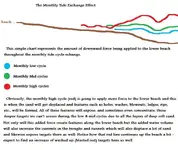
Now more then ever those monthly tides charts become an extremely important tool of the trade. Sure, you can hope for those strong whether systems that might never come or you can take what is certain and then plan your hunts according that information and those opportunities. It's’just all part of the summer dilemma being faced. Anyway, what you will see on those tide charts are monthly periods of "peak” high tides, or those periods that will be delivering an increased amount of water volume on the lower beach for several days. During these short but effective periods a couple of important things will take place. First, this extra water volume will usually create increased currents along the lower beach area, which in turn has the tendency to move a lot of sand around and create a lot of features like cuts, holes, runnels, rips, etc., all features that require “the removing of sand” from select areas of the lower beach. This removal of sand creates opportunities for use to access those deeper, heavier goodies that we can’t otherwise access. And second, these increased currents also have the tendency to force the throngs of water loving adult beach-goers back to the lower beach area where those features we spoke of are being created.
So the trick is this: find those newly formed features during this monthly peak high tide period and get in them at low tide and your finds should see a marked increase. The treasure is always there but knowing when and where it can be accessed is often the difference during those sandy hunts of summer.
Hope this helps a little.