Creskol wrote (and asked):
> Have you ever seen what squirrels can do to car battery terminals?
> Why, with and abundance of corn, nuts, acorns, and other culinary delicacies would a squirrel choose to eat a battery terminal?
> Don't know, but they sure do!
The answer: Animals chew on lead because lead tastes sweet. Solid historical documentation exists that the Romans used lead to sweeten wine.
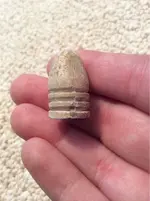
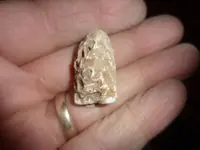
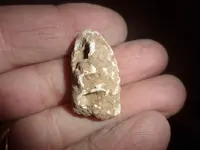
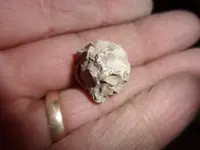
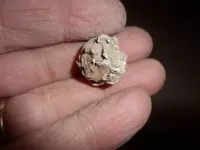
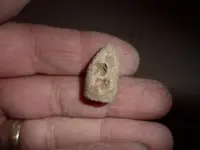
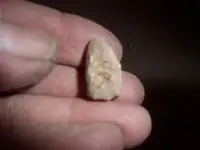
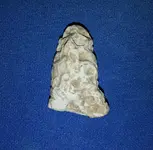
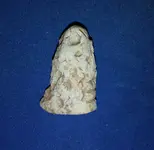
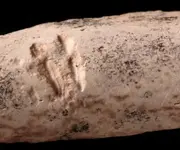
Despite some dentists saying the teeth-marks on those bullets are human-made, they are mistaken, for a very "solid" reason. (The pun is intentional.) A human's jaw-muscles are not strong enough to make more than very slight dents in thick lead. If more force is applied, the tooth will break. Here is a simple test for doubters of that fact: Use a pair of pliars to try to make dents in a large-caliber lead bullet. Use all the hand-strength you can. You will see that you can only barely dent the bullet, even though the tool is made of steel, which is far-far stronger than human teeth.
Here's an even simpler test for people who insist that these are civil war human-chewed "pain" or "hospital" bullets. Buy a reproduction lead Minie-ball, and bite it between your molars (rear teeth) as hard as you can. Then, on your way to the dentist to get your cracked teeth fixed, see if you were able to make that lead Minie-ball look like the "human-chewed" one you dug (or bought).
What, aren't any of you guys willing to put your strong belief in civil war "hospital/pain" bullets to a personal real-life test?

Before anybody tries that test... remember that humans frequently break their teeth by trying to crack a pecan shell... which isn't as hard as a lead Minie-ball.