What's new

Elite Treasure Hunter

MR.MHMD(MOHAMMAD)

Jr. Member
Joined
Oct 1, 2026
Messages
34
Reaction score
78
Golden Thread
0
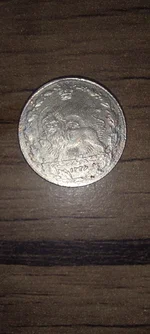
Qajar Silver Coin Discovery 🪙
Recovered using my original encapsulated formulation and custom dowsing method.
📍 Search radius: 26 meters
📏 Recovery depth: 45 cm
🎯 Target: Qajar silver coin
An independent field finding documented during my ongoing research.
 

Attachments
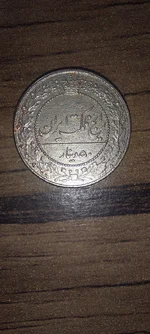
  • 20260508_114212.webp
    20260508_114212.webp
    588.5 KB · Views: 22
  • 20260508_114159.webp
    20260508_114159.webp
    387.3 KB · Views: 16
Upvote 6
Qajar dynasty (1789–1925) 'Lion and Sun' coins are historic Persian (now Iran) gold, silver, and copper pieces that feature the iconic symbol of a walking or rampant lion holding a sword beneath a radiant sun.

In the 19th century, the Qajar shahs modified the traditional motif by placing a sword in the lion's paw (symbolizing the Zulfiqar sword of Imam Ali and military might) and topping the sun/lion with the Qajar crown.

The AH date range for this dynasty is 1203-1344. The four digit date is seen under the lion.

The coin's weight will determine if its a 50 or 100 dinar denomination:
  • 50 Dinar: Qajar copper/copper-nickel 50 Dinar issues generally measure around 19 mm to 25 mm in diameter and weigh roughly 2.9 g to 5.09 g depending on the specific year and mint.
  • 100 Dinar: Larger and heavier. 100 Dinar coins from the same era measure around 30 mm in diameter and weigh roughly 10.21 g to 10.46 g—roughly double the weight of the 50 Dinar.
Most likely (IMO) is this coin:
https://www.allnumis.com/coins-cata...h-qajar-1907-1909/50-dinars-1908-ah1326-28241


Don in SoCal
 
Last edited:
Great find - keep up the good work ! :icon_thumleft:
 
Qajar dynasty (1789–1925) 'Lion and Sun' coins are historic Persian (now Iran) gold, silver, and copper pieces that feature the iconic symbol of a walking or rampant lion holding a sword beneath a radiant sun.

In the 19th century, the Qajar shahs modified the traditional motif by placing a sword in the lion's paw (symbolizing the Zulfiqar sword of Imam Ali and military might) and topping the sun/lion with the Qajar crown.

The AH date range for this dynasty is 1203-1344. The four digit date is seen under the lion.

The coin's weight will determine if its a 50 or 100 dinar denomination:
  • 50 Dinar: Qajar copper/copper-nickel 50 Dinar issues generally measure around 19 mm to 25 mm in diameter and weigh roughly 2.9 g to 5.09 g depending on the specific year and mint.
  • 100 Dinar: Larger and heavier. 100 Dinar coins from the same era measure around 30 mm in diameter and weigh roughly 10.21 g to 10.46 g—roughly double the weight of the 50 Dinar.
Most likely (IMO) is this coin:
https://www.allnumis.com/coins-cata...h-qajar-1907-1909/50-dinars-1908-ah1326-28241


Don in SoCal
Thanks, Don. That’s a very useful numismatic reference and I appreciate the detailed breakdown.
The Qajar Lion and Sun attribution does seem quite plausible based on the design and the apparent date placement. The 1326 AH (1908) 50-dinar issue you referenced is definitely one of the stronger possibilities.
Since the coin was recovered in southern Iran, I think the regional context is also worth considering when comparing the possible issue and circulation history. I’d prefer to confirm it from the physical specifications rather than rely on the design alone, particularly the exact weight, diameter, date, and the details of the lion, sword, and surrounding legend.
I’ll try to provide clearer photographs of both sides in natural light, without glare. That should make it easier to compare the dies and inscriptions with known Qajar issues.
Thanks again for taking the time to identify it and point me toward the 1326 AH example. It’s always interesting when a field find can be matched against a specific historical issue.
 

Users who are viewing this thread

Back
Top Bottom