What's new

first shelter dig yields results, also have qustions!

trevmma

Bronze Member
Joined
May 23, 2006
Messages
1,122
Reaction score
683
Golden Thread
0
Detector(s) used
whites 1000
Primary Interest:
All Treasure Hunting
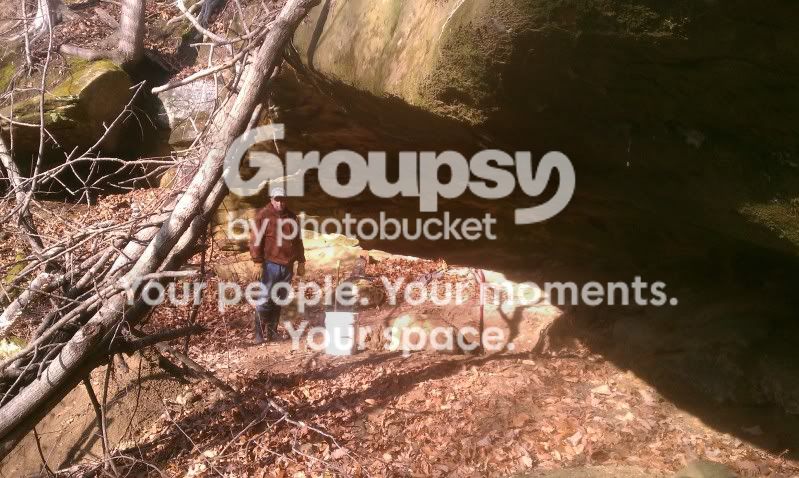
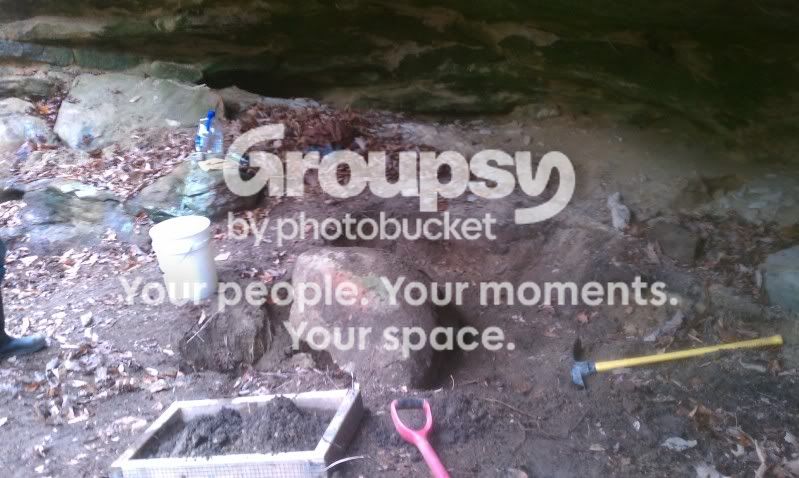
we have dug about 1 foot deep, one spot we hit grey clay and some spots wet dirt or sand, . all are newer point types, so i would think deeper. do we dig past all the broken sandy rocks or stop there, very sandy shelter, what does that mean. there is also a spring inside, do we dig there.

IMAG0573.jpg


looking out
IMAG0574-1.jpg

IMAG0580-1.jpg

IMAG0579.jpg

IMAG0575.jpg

IMAG0578.jpg

IMAG0576-1.jpg

IMAG0581-1.jpg
 
Upvote 0

p.s. first big one broke with shovel i think, but fits back perfectly
 
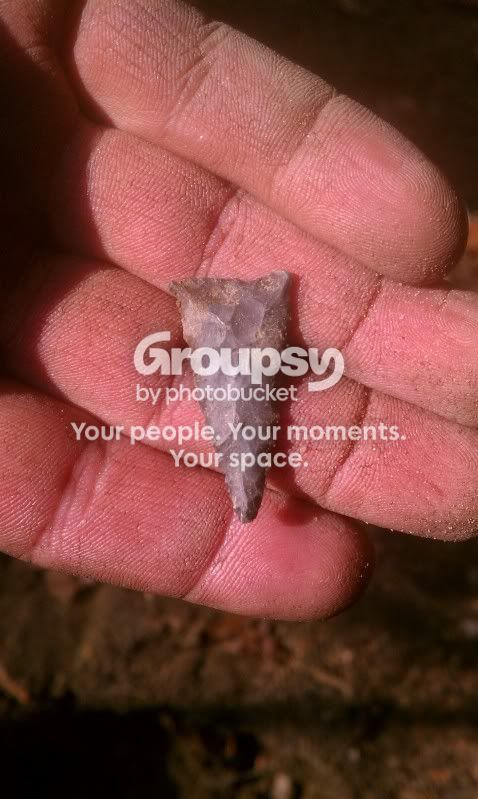
Nice Points....Dig about a 1- feet min all over, and upto the base of the rock. If I found more I'd go down 2-4 feet. Unless I hit solid clay. If it's close to a river, or small stream. Keep digging, look everywhere.
 
Dig as deep as you can, a lot of people make the mistake of thinking the're down to the bottomof all cultural layers. Aslong as it's diggable there's a chance of more artifaxcts. Looks and sounds like a good shelter - all the best.
 
thanks now i m thinking about what else is under there ,lol
 
I would dug around them big rocks out front of the shelter too.
as during warmer weather and no rain that's where they would be siting
 
Very true, thanks. Do dont be scared of the muck by the spring in the shelter
 
If those boulders look like they fell from the roof, you should try to see if you can get them out to go under them. I can move big rocks with a $30 'come-along' wench, a couple of nylon tow straps and a big tree with 25 feet.

Go deep, go to the wall, go out front, around the rocks, etc.
 
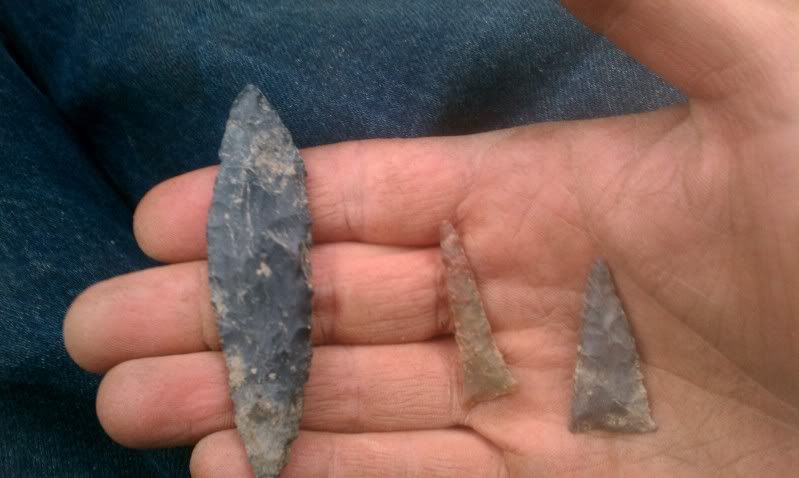
Those are nice points. Thanks for sharing.
 
The two smaller pieces look woodland. The really nice large piece Archaic. From the site pics it looks like you may have hit a site of great archeolgical value. I would dig on the flat below the shelter as Frog is doing with his dig. Thanks for the post!
 
me and my buddy have a planned out attack this weekend we should clean house . Is the bi point archaic
 
You definetly have a good shelter, likely occupied by different cultures over thousands of years. Do some digging and sifting in front of the shelter beyond the overhang. You will be surprised what you find there I'll bet.
 
How do you locate a shelter like that? Do you just look for an area that looks like it would make a good shelter and start digging? Or are there other clues that you use, such as proximity to water, other known shelters, etc...?
 
oxbowbarefoot said:
How do you locate a shelter like that? Do you just look for an area that looks like it would make a good shelter and start digging? Or are there other clues that you use, such as proximity to water, other known shelters, etc...?

I'm not sure how Trevor located this shelter but in the region where I reside, rock shelters are plentiful. There's no rhyme or reason to their location. To find one, you just have to walk up any steep hill and find the cliff line, starting walking the cliff line until you find one. Some cliff lines have a shelter every couple hundred yards. They face North, East, South and West, some are near water, but not what you would call a significant source of water in most cases. The hard part is finding one that hasn't been dug or hasn't been dug completely. As my grandfather used to say...."any ole nook or cranny would do".
 
1320 said:
oxbowbarefoot said:
How do you locate a shelter like that? Do you just look for an area that looks like it would make a good shelter and start digging? Or are there other clues that you use, such as proximity to water, other known shelters, etc...?

I'm not sure how Trevor located this shelter but in the region where I reside, rock shelters are plentiful. There's no rhyme or reason to their location. To find one, you just have to walk up any steep hill and find the cliff line, starting walking the cliff line until you find one. Some cliff lines have a shelter every couple hundred yards. They face North, East, South and West, some are near water, but not what you would call a significant source of water in most cases. The hard part is finding one that hasn't been dug or hasn't been dug completely. As my grandfather used to say...."any ole nook or cranny would do".

Thank you. I'll have to give it a try in my neck of the woods up here in MA. I know many promising areas to look, just never thought to before.
 

Users who are viewing this thread

Back
Top Bottom