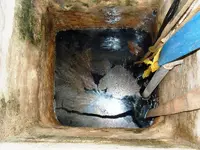
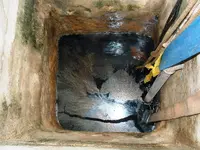
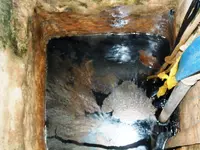
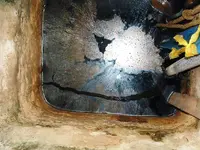
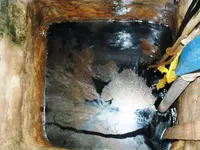
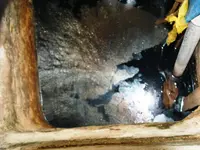
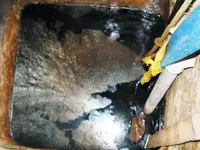
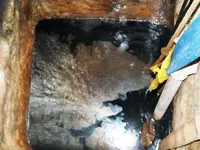
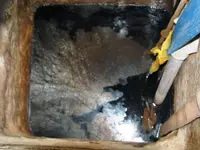
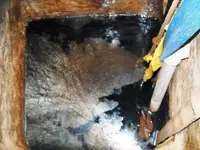
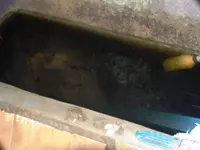
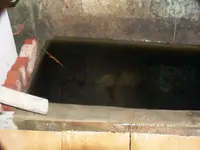
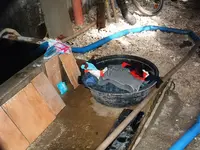
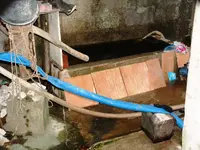
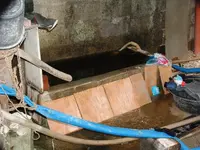
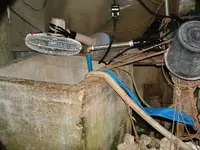
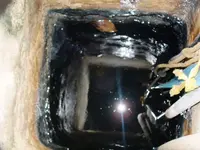
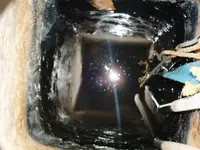
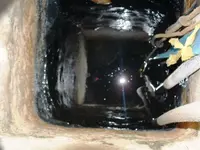
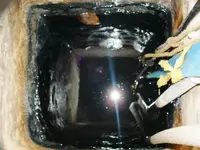
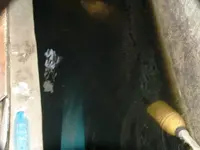
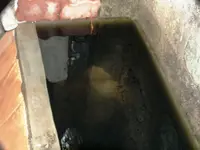
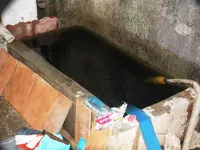
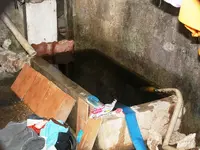
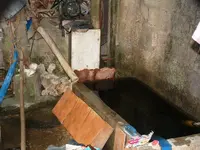
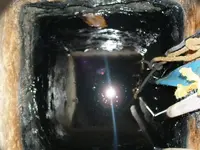
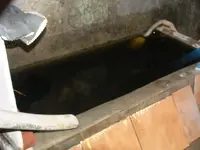
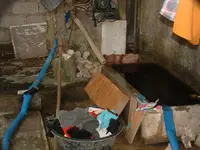
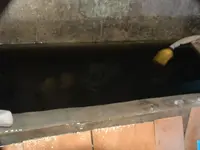
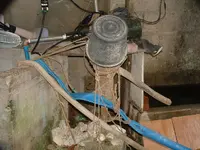
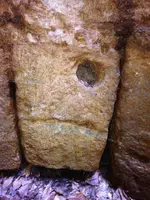
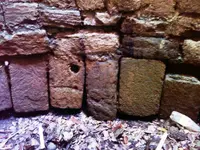
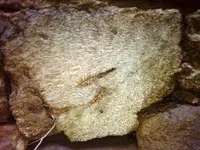
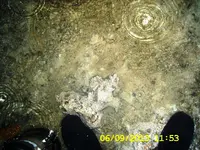
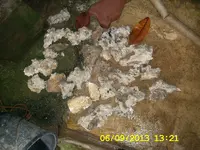
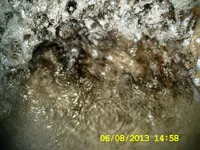
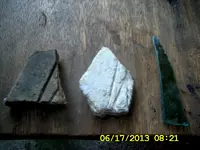
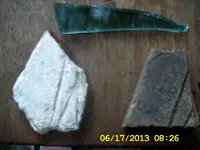
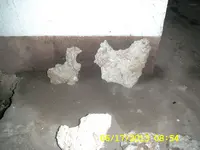
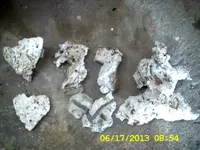
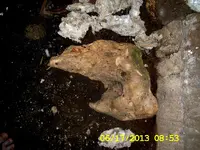
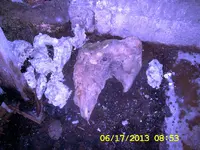
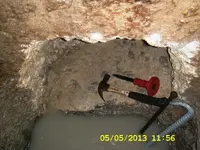
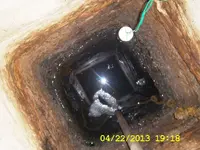
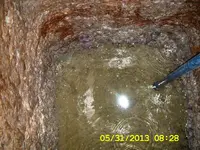
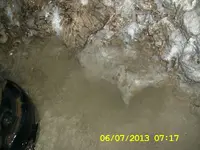
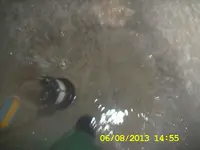
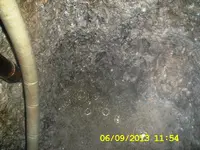
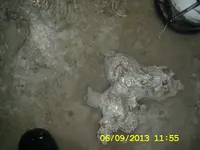
I believe the point is, if those carved up blocks are at the BOTTOM of a 35 foot well, they wouldn't be put there to mark a treasure spot. The blocks were most likely excess stones use to line the walls of the well, period. Any true treasure signs would be OUTSIDE of the well.
That would depend where the treasure site is. If in a jungle or on a mountain you are right, but what about if this one is near the city square. Would you mark it outside where anyone could easily see it? Their purpose for marking is so the Japanese soldiers or their children or grandchildren could later come back and recover the treasure. The marks at the bottom will confirm they were on the right well. Digging would expose other marks to further confirm. These is how the Japanese Army did it.
The outside and top markers on this site were probably unintentionally covered/hidden, because someone else later on, who did not know about the treasure and the marks meaning, plastered it with cement. So no marks/signs can be seen on top. It is also possible that they did not have the marks on top because the building in the city square were the reference markers, right. Then they would just look for the well and the marks at the bottom would confirm this is the site.
For example: If I buried treasure in Baghdad, I would write a letter to my wife and children the location of this treasure site, in case I get killed before the war ends or my tour of duty. My instructions would say look for the Ministry of Welfare (or whatever) building in Baghdad. There is an old dried up water well behind it. Below the well find theses marks/signs as these indicate the burial site. So you see on this example, the particular site - the building mentioned is the only one in Baghdad and it is the reference point.
Of course if the wife or children come too late, the building may be demolished and replaced with a 60 floors office building and the well covered up - the treasure markers are gone and the treasure remains UN-recovered
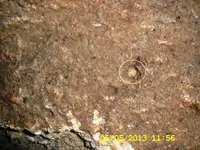
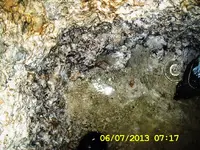
Anyone who has studied the Japanese treasure marks and symbols would know that these are indeed genuine marks. Even in the sites that digging has commenced they still find marks (other from the outer location/reference marks) on the spot where they start to dig and every one or 2 meters inwards or downwards.
I was recently able to secure the Japanese symbols, codes and markers booklets in PDF, PM me if you want a copy and you can try to decipher what they mean.





 PLEASE DONT SPEAK ABOUT THINGS YOU DO NOT KNOW OF FOR SURE..VERY VERY IRESPONSIBLE!!!!!!