Relicific
Silver Member
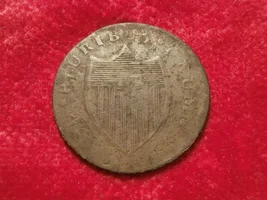
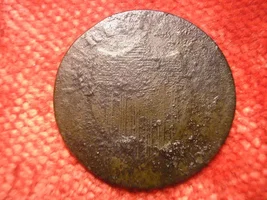
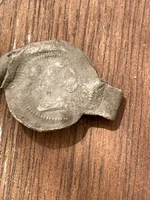
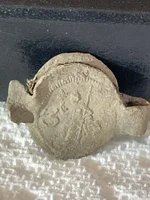
Found a 18th century lead/cloth bale seal, with profile bust of King George II on obverse and Britannia seated on reverse.
The 3 you see is the tax or aulnage rate, so probably 3 pence per yard/ unit of cloth or calico.
Under the calico and linen acts during king George II’s rein (1727-1760), excise duty rates were adjusted based on wether the fabric was plain,
Stained, printed or dyed.
When a lead seal features the reining monarchs profile such as King George II, it dictates the seal was struck by Royal crown or government appointed officials.
A seal bearing the monarchs face told colonial inspectors in Port like Boston, New York or Jamestown that the goods were legally processed and not smuggled French or Dutch contraband.
Thanks to AI for this info lol
The 3 you see is the tax or aulnage rate, so probably 3 pence per yard/ unit of cloth or calico.
Under the calico and linen acts during king George II’s rein (1727-1760), excise duty rates were adjusted based on wether the fabric was plain,
Stained, printed or dyed.
When a lead seal features the reining monarchs profile such as King George II, it dictates the seal was struck by Royal crown or government appointed officials.
A seal bearing the monarchs face told colonial inspectors in Port like Boston, New York or Jamestown that the goods were legally processed and not smuggled French or Dutch contraband.
Thanks to AI for this info lol
Attachments
Upvote
22