- #1
Thread Owner
Hi everyone,
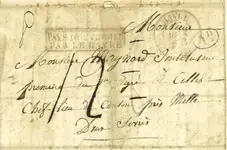
I’m posting here because I recently acquired the archives of an old school that was liquidated after its closure. Among the papers were several books and letters, some dating back to the 17th century. Most of it was routine material—until I came across one remarkable 19th-century letter that sent me down a rabbit hole.
The letter was written by a French emigrant who had moved to the United States around 1830. It describes a dramatic shipwreck during his journey from New York to New Orleans. I’m trying to determine whether this event can be historically verified, and I’m hoping the experts here might recognize something.
During the winter of 1831–1832, this man boarded a merchant ship that departed from New York on January 18th, bound for New Orleans, where he planned to buy a plantation. After seven days, they were sailing along the coast of Florida. The following night—January 26th, 1832—while crossing the Bahamas, the ship struck an underwater rock while most of the drunken crew was asleep. The vessel began to sink. They were near a few small inhabited islands they could see in the distance. Because the water was shallow, the ship only sank about six feet and became wedged between two large rocks, slowly breaking apart.
Their wreck must have been spotted from afar, because at daybreak they saw a small flotilla of tiny boats heading toward them. Pirates!
Long story short, the pirates stripped the ship of everything and eventually transported the crew and the few passengers to what they considered the nearest safe settlement: New Providence. Today it is part of the Bahamas, but at the time it was described as “a small village that the English had almost abandoned.”
I’ve located some modern-day descendants of this man and hope to return the letter to them. Before that, I would love to provide them with some historical context—ideally even confirm whether this wreck was documented. Or if their ancestor was just a liar and a theft. Also possible.
I’m new to researching shipwrecks, so any guidance—archives, databases, search strategies, or even educated guesses—would be greatly appreciated.
No treasure involved, unfortunately! But if this letter’s account is real, it could be an interesting snapshot of late-era piracy in the region.
Thanks in advance for any help! I can post pictures and translation of the letter if some of you are interested by this story.
I’m posting here because I recently acquired the archives of an old school that was liquidated after its closure. Among the papers were several books and letters, some dating back to the 17th century. Most of it was routine material—until I came across one remarkable 19th-century letter that sent me down a rabbit hole.
The letter was written by a French emigrant who had moved to the United States around 1830. It describes a dramatic shipwreck during his journey from New York to New Orleans. I’m trying to determine whether this event can be historically verified, and I’m hoping the experts here might recognize something.
Summary of the account (from the letter):
During the winter of 1831–1832, this man boarded a merchant ship that departed from New York on January 18th, bound for New Orleans, where he planned to buy a plantation. After seven days, they were sailing along the coast of Florida. The following night—January 26th, 1832—while crossing the Bahamas, the ship struck an underwater rock while most of the drunken crew was asleep. The vessel began to sink. They were near a few small inhabited islands they could see in the distance. Because the water was shallow, the ship only sank about six feet and became wedged between two large rocks, slowly breaking apart.
Their wreck must have been spotted from afar, because at daybreak they saw a small flotilla of tiny boats heading toward them. Pirates!
Long story short, the pirates stripped the ship of everything and eventually transported the crew and the few passengers to what they considered the nearest safe settlement: New Providence. Today it is part of the Bahamas, but at the time it was described as “a small village that the English had almost abandoned.”
Why I’m Here
I’ve located some modern-day descendants of this man and hope to return the letter to them. Before that, I would love to provide them with some historical context—ideally even confirm whether this wreck was documented. Or if their ancestor was just a liar and a theft. Also possible.
What I’m Hoping to Learn
- Does this story sound plausible for the Bahamas/Florida region in early 1832?
- Are there known records of merchant ships lost between New York → New Orleans around January 1832?
- Would pirate activity still have been common in that area during that period?
- Where should I search for logs, newspapers, or maritime records that might match this event?
I’m new to researching shipwrecks, so any guidance—archives, databases, search strategies, or even educated guesses—would be greatly appreciated.
No treasure involved, unfortunately! But if this letter’s account is real, it could be an interesting snapshot of late-era piracy in the region.
Thanks in advance for any help! I can post pictures and translation of the letter if some of you are interested by this story.