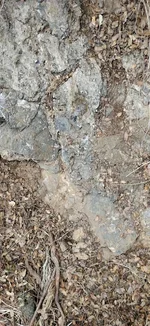
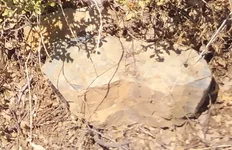
Thanks for the reply. However, I should clarify that this is not a natural rock. I broke a small piece off and put it in white vinegar. It fizzed and bubbled vigorously with a loud sizzling sound. This proves it is a lime-based mortar (maybe Horasan mortar), not chert.The rock at the lower right corner "looks" like chert. Consider re-posting on the Rocks/Gems at https://www.treasurenet.com/forums/rocks-gems.113/
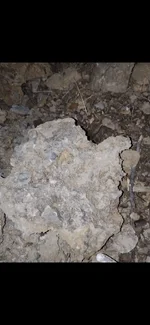
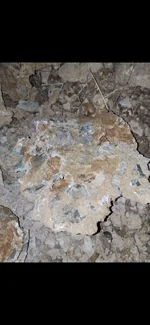
So is it human made? I know breccia is natural but ı heard some people uses breccia in old walls around byztaine time. Also ı breaked very small piece of that rock its back and front is on the images.Breccia - Your vinegar test pretty much proved it. It is common around the Mediterranean.
Very possible ! I'd hate to be the one that would violate their tomb !Thanks for the reply. However, I should clarify that this is not a natural rock. I broke a small piece off and put it in white vinegar. It fizzed and bubbled vigorously with a loud sizzling sound. This proves it is a lime-based mortar (maybe Horasan mortar), not chert.
Also, I measured the orientation of the structure with a compass. It runs from 260° West to 90° East. I know that early Christian/Byzantine tombs are oriented West-to-East. (270° West 90° East it has slight difference)
Could this be a lime-mortar sealed Byzantine rock-cut tomb or a cache? Any expert opinions on this would be great!