What's new

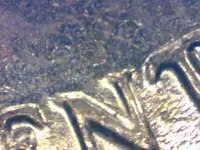
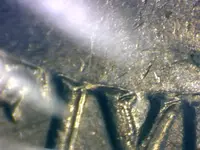
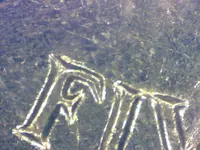
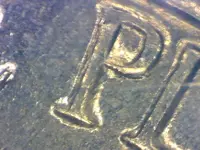
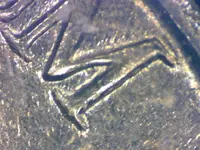
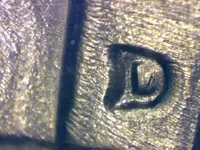
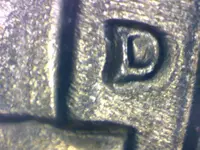
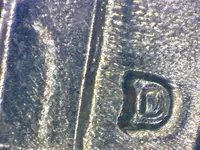
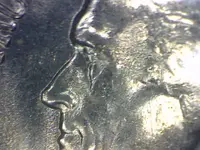
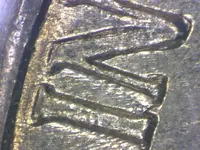
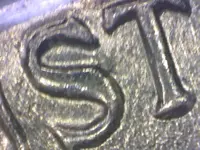
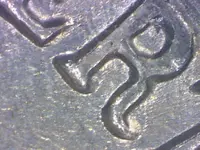
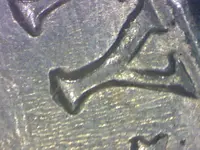
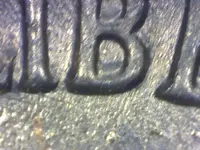
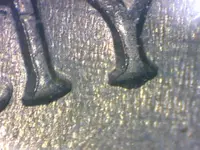
ANY THOUGHTS ON THIS 1959 D NICKEL??? THANKS!!!

thebubbasdad

Jr. Member
Joined
May 27, 2012
Messages
31
Reaction score
3
Golden Thread
0
Primary Interest:
All Treasure Hunting
ANY THOUGHTS???? LOOK CLOSELY!!
 

Attachments

  • 1.webp
    1.webp
    66.7 KB · Views: 165
  • 2.webp
    2.webp
    60.8 KB · Views: 169
  • 3.webp
    3.webp
    69.7 KB · Views: 180
  • 4.webp
    4.webp
    71.7 KB · Views: 187
  • 5.webp
    5.webp
    78.3 KB · Views: 165
  • 6.webp
    6.webp
    90.8 KB · Views: 186
  • 7.webp
    7.webp
    69.4 KB · Views: 164
  • 8.webp
    8.webp
    109.8 KB · Views: 163
  • 9.webp
    9.webp
    87.1 KB · Views: 155
  • 10.webp
    10.webp
    83.5 KB · Views: 160
  • 11.webp
    11.webp
    92.9 KB · Views: 168
  • 12.webp
    12.webp
    70.4 KB · Views: 168
  • 13.webp
    13.webp
    86.1 KB · Views: 138
  • 14.webp
    14.webp
    72.6 KB · Views: 154
  • 15.webp
    15.webp
    71.1 KB · Views: 153
  • 16.webp
    16.webp
    80.6 KB · Views: 139
Upvote 0
There have been quite a few questions here lately. I am no expert but most of them look to me to be simple machine doubling or die deterioration doubling, which are not valuable. With a true doubled die, the doubling is separated form the other strike. It is not just a wide shelf or shelf impression at the motto or date or whatever. You must understand the process by which coins are made to understand what you are looking for. The die itself that strikes the coin is what actually is doubled, the doubled die coin is just the result when a planchet is struck with the die that is defective.
The die itself while being made received a mistake strike from the hub that made it. This is also why it is called hub doubling. The die may have been hardened to much when the hub was used to make the negative impression. If it did not make a clear impression it may be struck additional times to complete the die. If the die or hub is moved very slightly then the image produced on the die is off or doubled. If this minor flaw is not caught the defective die is then used to make doubled die coins. It will create a definite separation and not just a shelf or shadow of the letters or what ever. If the die jumps or skips during minting while it may look like a doubled die, it is actually considered post mint damage and not an error. This is known as strike doubling or machine doubling. It is not valuable and not considered an error as the "error" was done as a result of bounce and that was after the coin was technically minted.
Look at these example here:

Doubled Die Coins

It does a much better job of explaining than I can.
 
Yep, that's a nickel! :occasion14:
 
Get 5 pennies for it search the Pennies and repeat.
 
I love varieties, but am only a fan of major ones that are easy to see w/out 100X magnification. Examples: '37d 3-legged buffalo, '55, 72, 83 dbl die cents, 22 no d cent, etc. I own them all because they are fascinating, some of them quite rare, and you can show them to a layman who doesn't collect coins & even they are impressed. I search pennies because i save the copper & there is a 1 in a billion chance i might win the lottery w/ a 1969s dbl die. Varieties I am not a fan of: '95 dbl die cents and the like that are not rare and you can barely see any difference between them & the 1c version. Just my 2 cents worth.
 

Users who are viewing this thread

Back
Top Bottom