What's new

chinese ginger jars

rockcollect

Full Member
Joined
May 2, 2026
Messages
196
Reaction score
185
Golden Thread
0
Location
Lent
Detector(s) used
none
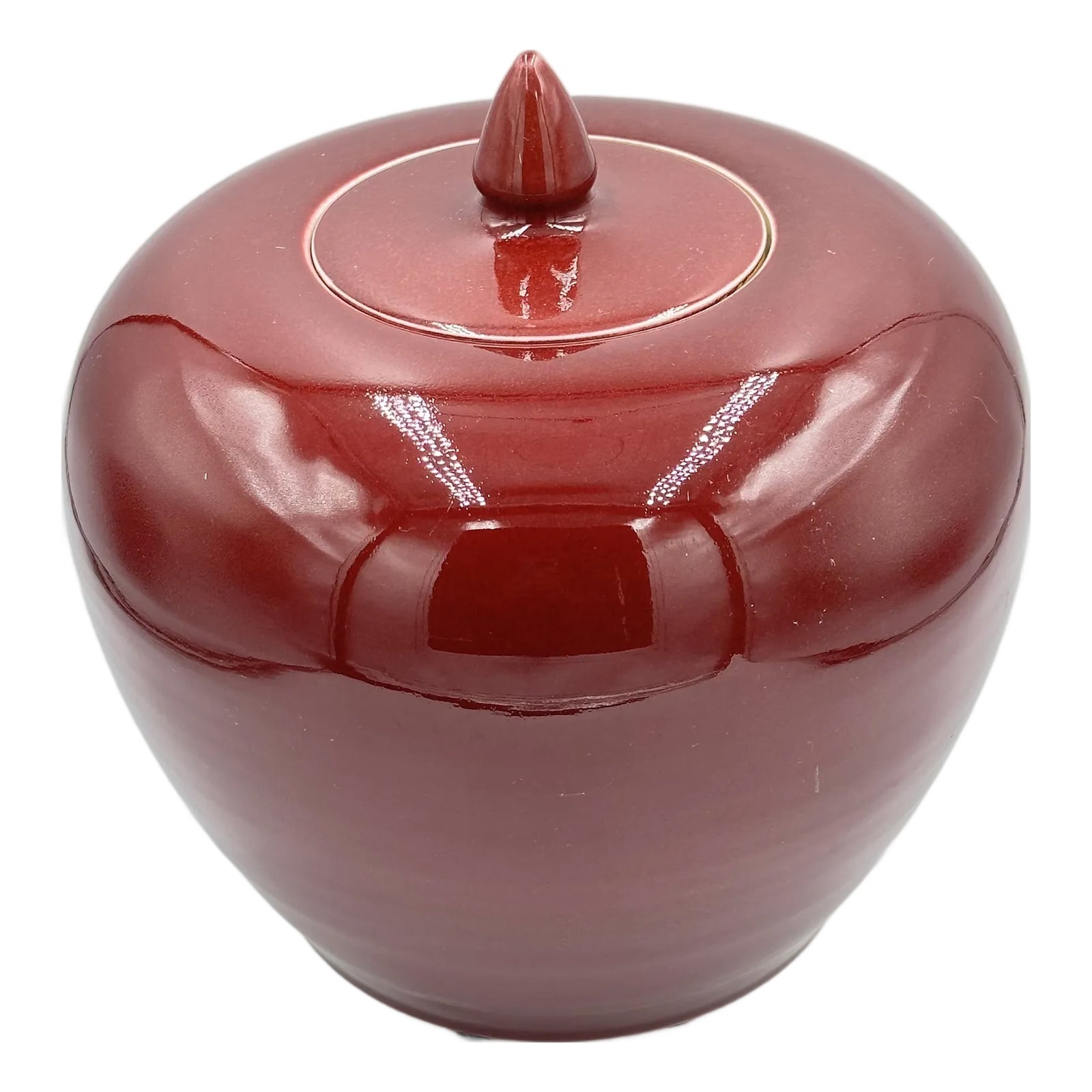
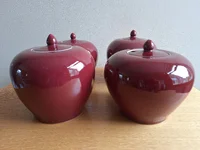
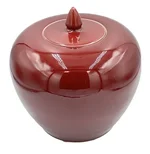
Hello, i have bought four chinese oxblood ginger jars of which this one i posted comes the closest to be similair in the way they where made. but i can't pinpoint an age on them because there is so much different chinese vintage type porcelain. You got stained stuff moulded stuff and different kinds of porcelains. Does anyone know the date of these jars? 1920 or 1950's or 1980??
 

Attachments
  • 8.webp
    8.webp
    13.7 KB · Views: 90
  • 7.webp
    7.webp
    12.8 KB · Views: 37
Last edited:

Is that pictured jar one that you actually bought, or just an example of something similar you found on the internet?

That very same jar is currently advertised on 'Chairish', described as 'vintage' and priced at $1,285... using the same pictures that you posted.


You say you bought four ginger jars. Is that one of them or not? If not, you can't compare prices (or age) just based on visual similarities. DIfficult to comment unless you provide pictures of what you actually have.
 
Is that pictured jar one that you actually bought, or just an example of something similar you found on the internet?

That very same jar is currently advertised on 'Chairish', described as 'vintage' and priced at $1,285... using the same pictures that you posted.


You say you bought four ginger jars. Is that one of them or not? If not, you can't compare prices (or age) just based on visual similarities. DIfficult to comment unless you provide pictures of what you actually have.
well my jars are exact the same as the one i posted because of the caracteristic turning of the clay on the lid. Or in other words the making technique is the same bottom and inside lid. But hose prices ar highly unreliable because they are not realistic. I don't have my jars yet they wil be delivered thuesday. i was just curious about the age of them. but i will post pictures if a got them.
 
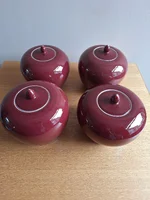
Well here are my ginger jars after a good cleaning because they where covered with dust. And indeed they are the same as the one on chairich. Well then i have done well because they cost 4 euro a piece. Red coat can you now pinpoint the age? On chairish they said 1960 but can't find many of those date.
 

Attachments

  • 20260609_115258.webp
    20260609_115258.webp
    1,011.5 KB · Views: 32
  • 20260609_115237.webp
    20260609_115237.webp
    1,003.8 KB · Views: 31
  • 20260609_115247.webp
    20260609_115247.webp
    892.7 KB · Views: 26
  • 20260609_115321.webp
    20260609_115321.webp
    778.6 KB · Views: 27
  • 20260609_115211.webp
    20260609_115211.webp
    1.3 MB · Views: 29
  • 20260609_115159.webp
    20260609_115159.webp
    1.3 MB · Views: 27
Well, very similar rather than ‘identical’ but that doesn’t help too much, given that it’s a highly generic design still being produced today and, in any case, the age of the Chairish piece (and the Manor Auctions piece) is undetermined/unverified. At least it can be said that these are not modern home décor pieces, which are usually moulded and have a white glazed foot.

Proper antique oxblood glaze derived from reduced and re-oxidised copper oxide is highly prone to crackling with age, which I don’t see. Also, it’s unusual to see a genuine antique oxblood piece that doesn’t have at least some sign of run-off of the glaze onto the base. That might suggest these are enamel-glazed in an oxblood colour rather than being true oxblood.

Although you said they were dusty and you cleaned them up, I don’t see much evidence of ingrained dirt and grime on the unglazed base, which suggest the pieces are not particularly old. I would think probably early to mid-20th Century.
 
Well, very similar rather than ‘identical’ but that doesn’t help too much, given that it’s a highly generic design still being produced today and, in any case, the age of the Chairish piece (and the Manor Auctions piece) is undetermined/unverified. At least it can be said that these are not modern home décor pieces, which are usually moulded and have a white glazed foot.

Proper antique oxblood glaze derived from reduced and re-oxidised copper oxide is highly prone to crackling with age, which I don’t see. Also, it’s unusual to see a genuine antique oxblood piece that doesn’t have at least some sign of run-off of the glaze onto the base. That might suggest these are enamel-glazed in an oxblood colour rather than being true oxblood.

Although you said they were dusty and you cleaned them up, I don’t see much evidence of ingrained dirt and grime on the unglazed base, which suggest the pieces are not particularly old. I would think probably early to mid-20th Century.
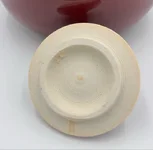
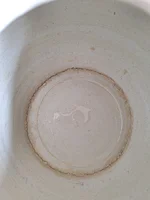
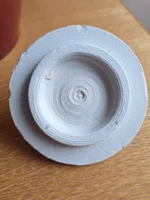
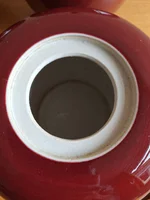
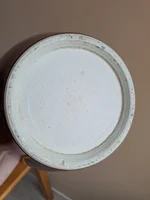
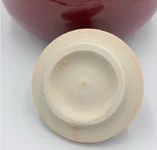
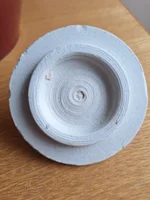
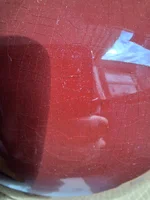
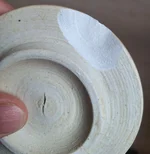
Oke i understand, but here are photoś of the lid of the Chairish piece and of my lid from my jars and they are made with the same technique probably machine turning. NOTE due different lighting source the color of the lids are different but they are made of the same material and they have both remaines of porcelain grid on the inside. And here is another photo of the craquele of the glaze on my jars.
 

Attachments

  • 0.webp
    0.webp
    13.3 KB · Views: 20
  • 20260609_115237.webp
    20260609_115237.webp
    1,003.8 KB · Views: 26
  • 1000014662.webp
    1000014662.webp
    587.1 KB · Views: 27
Thanks for the better pictures showing the crackling on the glaze. I can only comment on what I see, and it wasn't evident in what you originally posted. That confirms it is almost certainly genuine oxblood glaze rather than enamel glaze, which pushes the possible date back a bit to potentially 'antique' rather than vintage... but the lack of ingrained dirt in the base still suggests it's not terribly old.

It's also still 'highly similar' to the Chairish piece rather than 'identical' and the Chairish piece does not have a verified age.
 
Thanks for the better pictures showing the crackling on the glaze. I can only comment on what I see, and it wasn't evident in what you originally posted. That confirms it is almost certainly genuine oxblood glaze rather than enamel glaze, which pushes the possible date back a bit to potentially 'antique' rather than vintage... but the lack of ingrained dirt in the base still suggests it's not terribly old.

It's also still 'highly similar' to the Chairish piece rather than 'identical' and the Chairish piece does not have a verified age.
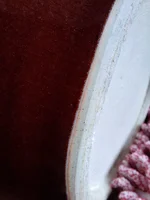
oke that's clear, but i have forgotten to mention the jars have an orange oxide reaction rim on the side of the footrim. Is that any indication of age?
 

Attachments

  • 1000014673.webp
    1000014673.webp
    346.7 KB · Views: 28
oke that's clear, but i have forgotten to mention the jars have an orange oxide reaction rim on the side of the footrim. Is that any indication of age?

Only indirectly so, in that it's a characteristic of this type of glaze versus more modern pieces with enamel glazes.
 
Only indirectly so, in that it's a characteristic of this type of glaze versus more modern pieces with enamel glazes.
here is a closeup of a chip on the porcelain. don't know if that is of any help
 

Attachments

  • 1000014674.webp
    1000014674.webp
    508.8 KB · Views: 27

Users who are viewing this thread

Back
Top Bottom