What's new

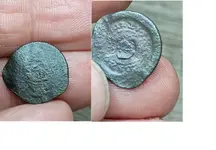
Early Fouled Anchor Button, French Amber Flint

cannonball

Hero Member
Joined
Feb 20, 2010
Messages
915
Reaction score
4,783
Golden Thread
0
Location
East Coast NJ
Detector(s) used
DEUS 11 Fisher F75ltd,TDI Minelab Excailber
Primary Interest:
Relic Hunting
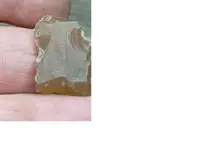
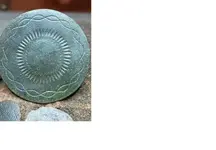
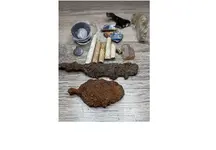
I found an18th Century site here in New Jersey. I did a little detecting and sifting and found this 17 mm 1 piece fouled anchor button with a back mark that I cant make out. Feel free to chime in if you think you can identify it. It seems like it's pre War of 1812. Also found was a amber gun flint and a nice coat button and pipe pieces. In the 18th century, amber flint primarily refers to French gun flints, known for their honey-light brown or amber translucent color. These "Silex blond de Berry" flints were highly prized for their use in flintlock firearms, which relied on the flint striking steel to create a spark that ignited gunpowder. They were widely used by French, British, and American forces, especially before the mid-1700s, and were crafted using specific techniques that modern craftsmen have revived to create historically accurate replicas.
 

Attachments
  • anchor hh.webp
    anchor hh.webp
    168.6 KB · Views: 150
  • anchor hh1.webp
    anchor hh1.webp
    36.6 KB · Views: 107
  • anchor hh2.webp
    anchor hh2.webp
    157.6 KB · Views: 100
  • anchor hh3.webp
    anchor hh3.webp
    125.9 KB · Views: 103
Upvote 19

What a good hunt. Good eye on the french flint. My understanding from muzzle loaders is that flint is either French or English and no sources for flint in the USA. What we call flint is actually chert. Looks to be a good and an old spot. Good luck.
 
What a good hunt. Good eye on the french flint. My understanding from muzzle loaders is that flint is either French or English and no sources for flint in the USA. What we call flint is actually chert. Looks to be a good and an old spot. Good luck.
I tested many types of midwestern material for sparks. Only two types threw sparks. Coshocton from OH and Mill Creek from IL. The determining factor is the amount is silica. SiO2. English and French are nearly pure. US Midwest material not so much.
 
Mr Cannonball you did outstanding. But you forgot to give us the location of that place LOL J/K
thanks for sharing with us
 
Great finds. Congratulations!
 
My guess would be pre-war.

That button looks old and since you are usually detecting around coastal NJ anything is possible. The British started using the fouled anchor on their buttons in 1747. Continental Navy - 1775-1783. US navy - after 1797.
 

Users who are viewing this thread

Back
Top Bottom