dognose
Silver Member
- #1
Thread Owner
30 December 2025 3:13pm GMT
Qhara Qhara people say they are rightful owners of treasure mined by their enslaved ancestors

Samuel Flores Cruz said he would ‘love to personally thank King Charles’ for the sinking of the San Jose
High in the Andes of landlocked Bolivia, the dilapidated mining town of Potosí is an improbable location for a statue of an 18th-century Royal Navy admiral.
But it is thanks to Sir Charles Wager that the indigenous Qhara Qhara say they now have a claim to £16bn of lost treasure at the heart of an international legal battle.
Dubbed the “holy grail of shipwrecks” and thought to be the most valuable in the world, the San Jose galleon was sunk by Wager while it was sailing in a convoy off the coast of what is today Colombia in 1708.
Wager’s plan was to seize the fleet’s hoard of silver, gold and gems. An estimated 80 per cent of it was mined by the Qhara Qhara’s ancestors who were enslaved by the Spanish empire at Potosí.

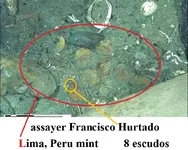
Coins discovered on the wreck
Instead, it is believed that a stray cannonball detonated the Spanish flagship’s gunpowder store, plunging the lucrative cargo 2,000ft to the seabed along with all but 11 of the 600 crew and passengers.
The wreck was discovered in 2015 and Colombian scientists claimed they had identified it as the San Jose earlier this year.
In November, the first items originating from the Bolivian town – three silver coins, a cannon and porcelain cup – were dredged up from the galleon.

A painting of Charles Wager’s sinking of the San Jose in 1708
The dispute over ownership involves the Colombian and Spanish governments, as well as Sea Search Armada (SSA), a US company that claims to have found the wreck first in 1982. Colombia says it discovered the wreck in 2015 in a different location.
The case spans venues from Colombia’s constitutional court to an arbitration panel in The Hague, as well as the claim by the Qhara Qhara.
Samuel Flores Cruz, the indigenous group’s leader, says he believes the treasure, as well as all the silver from Cerro Rico, should be salvaged and put in a travelling exhibition, which would be partially based in Bolivia.
He also wants the Qhara Qhara, who mainly live from subsistence agriculture and lack electricity and running water, to get a share of the exhibition’s revenue.

Gustavo Petro, centre, the Colombian president, looks at a cannon recovered from the galleon
The Hague tribunal was due to rule on whether Colombia owes SSA a finder’s fee by the end of December. It has already rejected Spain’s request to be considered in the litigation.
But even if SSA wins, the government in Bogotá is likely to be ordered to pay the company damages, but not hand over the wreck itself, says Dr Michail Risvas, an expert in the Law of the Sea at Southampton University.
He describes the case as “extremely complex, legally, morally and historically”. That means that the Qhara Qhara’s claim to its cargo is likely to be unresolved.
Mr Flores Cruz wants to erect a statue of the Royal Navy admiral who sank the galleon. He says: “If it wasn’t for Wager, we wouldn’t even be talking about this treasure today.
“It’s thanks to him that the San Jose never arrived in Spain and we can now argue about who should get its cargo.”
Mr Flores Cruz fully understands Wager’s less-than-noble motives in attacking the galleon, but adds: “One day, I would love to come to Britain and personally thank King Charles.”

Along with other Andeans and African slaves, Qhara Qhara’s ancestors mined Potosí’s Cerro Rico – or “Rich Mountain” – under a Spanish system of forced labour called “mita”.
“We’re still here and living the legacy of the Spaniards’ brutality. That money would be transformational for us. It would finally allow us to be free and independent,” Mr Flores Cruz says.
“The ship belongs to Spain. I don’t have a problem with that. But not its cargo. This should be about its cultural worth to humanity, and especially the Qhara Qhara, who were exploited for centuries.”

Qhara Qhara working the fields
Dr Risvas says the Qhara Qhara’s claims have merit – but that the legal process will be messy and litigation unlikely to provide the clear answers the different parties are seeking, which will probably need to be negotiated out of court.
“International recognition of indigenous rights, rights to their land and culture, are much more advanced now than when the search for the San Jose began 40 years ago,” he says.
“Their claims do carry real weight, but, unfortunately, this process was not built to address indigenous rights.”

By some estimates, a million slaves died in the bowels of Cerro Rico under the Spanish overlords.
Mr Flores Cruz says that, according to colonial documents, seven out of every 10 men perished during their three-year stints underground.
Most who survived the mines eventually succumbed to silicosis, a lung disease, before they reached middle age. Cerro Rico became so feared that locals dubbed it “the mountain that eats men”.
Even now, with no other local economic opportunities, many Qhara Qhara continue to mine Cerro Rico for its last remnants of silver.

Chinese porcelain cups from the sunken cargo
They do so even though it is now recognised as one of the world’s most dangerous mines and despite the government warning that the summit, at nearly 16,000ft, is collapsing after centuries of mining have left it like a Swiss cheese.
Helen Farr, a marine archaeologist also at Southampton University, is sympathetic to the Qhara Qhara’s demands.
“When you see that mountain, you never look at silver the same way again,” she says. “I don’t believe the answer is about the economic value of the treasure – which is almost always exaggerated when it comes to these shipwrecks – but about its cultural value.
“The question should be how do you use heritage to support health and education, and benefit an entire population?”
SOURCE:
https://www.telegraph.co.uk/world-n...livians-most-valuable-shipwreck-british-navy/
Qhara Qhara people say they are rightful owners of treasure mined by their enslaved ancestors
Samuel Flores Cruz said he would ‘love to personally thank King Charles’ for the sinking of the San Jose
High in the Andes of landlocked Bolivia, the dilapidated mining town of Potosí is an improbable location for a statue of an 18th-century Royal Navy admiral.
But it is thanks to Sir Charles Wager that the indigenous Qhara Qhara say they now have a claim to £16bn of lost treasure at the heart of an international legal battle.
Dubbed the “holy grail of shipwrecks” and thought to be the most valuable in the world, the San Jose galleon was sunk by Wager while it was sailing in a convoy off the coast of what is today Colombia in 1708.
Wager’s plan was to seize the fleet’s hoard of silver, gold and gems. An estimated 80 per cent of it was mined by the Qhara Qhara’s ancestors who were enslaved by the Spanish empire at Potosí.
Coins discovered on the wreck
Instead, it is believed that a stray cannonball detonated the Spanish flagship’s gunpowder store, plunging the lucrative cargo 2,000ft to the seabed along with all but 11 of the 600 crew and passengers.
The wreck was discovered in 2015 and Colombian scientists claimed they had identified it as the San Jose earlier this year.
In November, the first items originating from the Bolivian town – three silver coins, a cannon and porcelain cup – were dredged up from the galleon.
A painting of Charles Wager’s sinking of the San Jose in 1708
The dispute over ownership involves the Colombian and Spanish governments, as well as Sea Search Armada (SSA), a US company that claims to have found the wreck first in 1982. Colombia says it discovered the wreck in 2015 in a different location.
The case spans venues from Colombia’s constitutional court to an arbitration panel in The Hague, as well as the claim by the Qhara Qhara.
Samuel Flores Cruz, the indigenous group’s leader, says he believes the treasure, as well as all the silver from Cerro Rico, should be salvaged and put in a travelling exhibition, which would be partially based in Bolivia.
He also wants the Qhara Qhara, who mainly live from subsistence agriculture and lack electricity and running water, to get a share of the exhibition’s revenue.
Gustavo Petro, centre, the Colombian president, looks at a cannon recovered from the galleon
The Hague tribunal was due to rule on whether Colombia owes SSA a finder’s fee by the end of December. It has already rejected Spain’s request to be considered in the litigation.
But even if SSA wins, the government in Bogotá is likely to be ordered to pay the company damages, but not hand over the wreck itself, says Dr Michail Risvas, an expert in the Law of the Sea at Southampton University.
He describes the case as “extremely complex, legally, morally and historically”. That means that the Qhara Qhara’s claim to its cargo is likely to be unresolved.
Mr Flores Cruz wants to erect a statue of the Royal Navy admiral who sank the galleon. He says: “If it wasn’t for Wager, we wouldn’t even be talking about this treasure today.
“It’s thanks to him that the San Jose never arrived in Spain and we can now argue about who should get its cargo.”
Mr Flores Cruz fully understands Wager’s less-than-noble motives in attacking the galleon, but adds: “One day, I would love to come to Britain and personally thank King Charles.”
Along with other Andeans and African slaves, Qhara Qhara’s ancestors mined Potosí’s Cerro Rico – or “Rich Mountain” – under a Spanish system of forced labour called “mita”.
“We’re still here and living the legacy of the Spaniards’ brutality. That money would be transformational for us. It would finally allow us to be free and independent,” Mr Flores Cruz says.
“The ship belongs to Spain. I don’t have a problem with that. But not its cargo. This should be about its cultural worth to humanity, and especially the Qhara Qhara, who were exploited for centuries.”
Qhara Qhara working the fields
Dr Risvas says the Qhara Qhara’s claims have merit – but that the legal process will be messy and litigation unlikely to provide the clear answers the different parties are seeking, which will probably need to be negotiated out of court.
“International recognition of indigenous rights, rights to their land and culture, are much more advanced now than when the search for the San Jose began 40 years ago,” he says.
“Their claims do carry real weight, but, unfortunately, this process was not built to address indigenous rights.”
By some estimates, a million slaves died in the bowels of Cerro Rico under the Spanish overlords.
Mr Flores Cruz says that, according to colonial documents, seven out of every 10 men perished during their three-year stints underground.
Most who survived the mines eventually succumbed to silicosis, a lung disease, before they reached middle age. Cerro Rico became so feared that locals dubbed it “the mountain that eats men”.
Even now, with no other local economic opportunities, many Qhara Qhara continue to mine Cerro Rico for its last remnants of silver.
Chinese porcelain cups from the sunken cargo
They do so even though it is now recognised as one of the world’s most dangerous mines and despite the government warning that the summit, at nearly 16,000ft, is collapsing after centuries of mining have left it like a Swiss cheese.
Helen Farr, a marine archaeologist also at Southampton University, is sympathetic to the Qhara Qhara’s demands.
“When you see that mountain, you never look at silver the same way again,” she says. “I don’t believe the answer is about the economic value of the treasure – which is almost always exaggerated when it comes to these shipwrecks – but about its cultural value.
“The question should be how do you use heritage to support health and education, and benefit an entire population?”
SOURCE:
https://www.telegraph.co.uk/world-n...livians-most-valuable-shipwreck-british-navy/