What's new

Maintaining your detector after leaving the ocean

Crunchyhippo

Sr. Member
Joined
Apr 1, 2025
Messages
292
Reaction score
611
Golden Thread
0
Location
Central Florida
To prevent saltwater corrosion, what do all of you do to make sure this doesn't happen long-term when leaving the beach? Just rinse off the electronic unit (especially where the charging cable connects) and pat it dry? Anything else?
 
Upvote 0
Excalibur and Fisher AQ... Brackish water......Never rinse or washed .. just keep cables sprayed with 303 when they look dryish and check the fittings once and awhile for any build up. About every 3 years I will go thru all for inspection. On the AQ I do keep the knobs greased with Dow111, and the same with the o-rings under the knobs on the excal.. rarely any issues with either.

And all of the cables on my excaliburs have been replaced for the originals are poor quality. That would be new & Better coil cables, battery cables and the head phone cords.
 
When I bought my detector locally a year ago, I wasn't specifically told to wash the saltwater off the electronic unit; just to keep the detector generally clean, if I recall. Maybe the manual has something about promptly washing saltwater off? Anyway, my charging cable connectivity has been iffy for months now, and I was later told it was due to seawater corrosion. My headphones are the waterproof, yellow-colored brand that everyone seems to have, which I bought soon after getting my detector. I'm sure the headphone jack fits for this brand (I always tighten it good), but apparently saltwater got in at some point and corroded that, too, I was told.

I called the company about my problems and they said to mail the unit to them. After they received it, they got back w/me and basically read me the riot act, saying the contacts were in terrible shape from the saltwater, and I was negligent (in so many words) with keeping it up. They said they couldn't repair it, and since I was told it was my fault, they said were under no obligation to fix or replace anything. Fortunately, they said they'd replace the unit - this time - but not again. Otherwise, my detecting hobby would be over for a long time (no money to replace it). They could have played hardball and just refused to replace anything and I'd be screwed.
 
Mine are rinsed at beach when possible then they take a shower with me on return to home
Same here. Be sure to take off the coil cover also when you rinse it at home. Mineralized sand could possibly affect future detecting. Lots can get trapped there.
 
1780501943522.webp
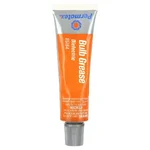
1780501943522.webpThis is what I use ... very light coating after you wash with fresh water... thereafter wipe with clean paper towel before attaching charger...
 
  • Like
Reactions: OBN
Same here. Be sure to take off the coil cover also when you rinse it at home. Mineralized sand could possibly affect future detecting. Lots can get trapped there.
I've never had mineralized sand affect anything, but, it can add weight to the coil, so, I just drilled a bunch of holes in the cover so it can be flushed out with a hose after detecting. Makes it simple instead of having to wrestle the cover off and on.
 
Same here. Be sure to take off the coil cover also when you rinse it at home. Mineralized sand could possibly affect future detecting. Lots can get trapped there.

Oh I do often.
 
I've never had mineralized sand affect anything, but, it can add weight to the coil, so, I just drilled a bunch of holes in the cover so it can be flushed out with a hose after detecting. Makes it simple instead of having to wrestle the cover off and on.
Makes me say "Mmmmm".
 
Same here. Be sure to take off the coil cover also when you rinse it at home. Mineralized sand could possibly affect future detecting. Lots can get trapped there.
True, I do that, too. But it might affect what you can find, but it won't destroy your detector like saltwater can if left unwashed.
Clean all connections and use some good quality silicone grease to coat the metal contacts.
I saw this in the manual:

"Open both Camlocks and flush with clean fresh water.

Remove the rubber Shaft Bung then flush the insides of
the Shafts with clean fresh water."

As far as opening the camlocks, I know what they are, but what's to be flushed? The detector pole when it's extended? And where is the "bung" and how is the shaft rinsed out?
 
All the shafts on mine are carbon fiber. No flushing needed. My locks are all external, so, they get flushed with the same hose that washes everything else.
 
Got my new unit back from Minelab yesterday. Thank goodness for warranties. Everything works like a charm now. After connecting the power cable, the green light comes on right away instead of having to fiddle with it for five minutes. And my headphones connect the first time instead of having to connect/disconnect/reconnect two or three times. For sure, I'll be rinsing everything off that can be rinsed with fresh water. I guess when it comes to detectors, I should view saltwater like acid. Get it all off, all of it - or else.
 

Users who are viewing this thread

Back
Top Bottom