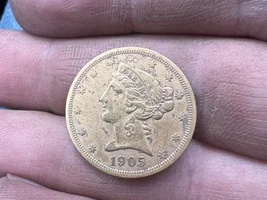
The legend of the missing army payroll near Utah’s San Rafael River is a tale of frontier danger, betrayal, and the enduring allure of hidden gold. Though retold in many versions, its essence is unchanged: two soldiers buried a fortune to save their lives, only for greed and time to conceal its resting place forever.
In the late 1870s, two U.S. Army officers were entrusted with delivering a payroll—estimated between $30,000 and $60,000 in gold coins—to troops stationed in Utah. Their route carried them through the rugged San Rafael Swell, a landscape of canyons and mesas. One evening, they camped at a spring near the river’s headwaters, aware that Native Americans had been trailing them. Fearing an attack at dawn, they buried the heavy bags of gold to lighten their escape. As predicted, they were ambushed, but managed to fight their way free.
The story then takes a sinister turn. One officer murdered his companion, returned to headquarters, and claimed that Indians had killed his partner and stolen the payroll. His account was met with suspicion, and he was court-martialed, sentenced to twenty years in prison. Upon release, he returned to the San Rafael River to recover the treasure. Yet the spring had dried, landmarks had vanished, and his search proved fruitless. The gold remained lost.
Like many frontier legends, the details shift depending on the source. Some accounts cite $30,000, others $60,000. The location is consistently tied to the headwaters of the San Rafael River in Emery County, Utah. The outcome, however, is always the same: the treasure was never found. Historian Thomas Penfield included the tale in A Guide to Treasure in Utah, suggesting that military records might hold clues to its authenticity.
Treasure hunters have long been drawn to the mystery. The San Rafael Swell’s vast, unforgiving terrain makes the search nearly impossible. Springs have disappeared, and shifting sands erase familiar markers. Despite decades of exploration with maps and metal detectors, no confirmed discovery has ever been reported. The payroll remains one of Utah’s most famous “lost treasures.”
In the late 19th century, when the Army transported gold coin to remote forts and Native resistance was fierce, the story feels plausible. What elevates it to legend is the betrayal, an officer killing his comrade for greed, and the enduring mystery of the vanished gold. Whether fact or folklore, the San Rafael payroll reflects the harsh realities of frontier life and the timeless allure of hidden fortune.