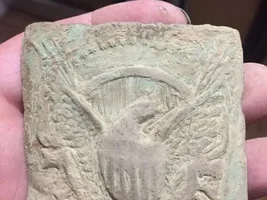
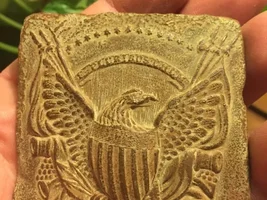
I actually found one of these in a collection 2-3 years ago. Had it professionally cleaned. Witnessed the cleaning and advocate it, but it's your coin, and you've got to make the final decision.
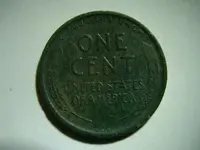
A coin with soil on it will not show original surfaces. The ONLY appropriate method of cleaning this coin is with Q-tips, acetone, and patience.
Dip the Q-tip in acetone and gently wipe the surface while twisting the Q-tip. Acetone affects only organic material. Soil, by definition, is feces. (That's from a soil scientist, not my opinion.) But soil can also have sand, rock chips, and other hard material in it. So slowly wiping the surface with acetone-soaked Q-tip (extra fluffy if you can get them) is the best method. Keep in mind that acetone and Q-tips are cheap. Use several. If the Q-tip gets slightly discolored, discard it and use another. Better to use too many than not enough.
My coin had tape residue still on one surface. It took 4 Q-tips to clean on the taped side. Sent it to PCGS, returned slabbed, not graded, identified as "Authentic, environmental damage." That will happen with your coin as well. But having it confirmed authentic should increase the value of the coin by several hundred dollars in a collector's eyes.
You will need to have it authenticated by PCGS, ANACS or other grading service. If you find a friendly member of PCGS already, or if you decide to join PCGS ($200? or so) you will also have free grading/slabbing for 10 coins. I paid $30 to get mine authenticated. If you have a good coin dealer near you, he might have a shipment about to go out, and might be willing to include your coin with his shipment.
It takes about 1-2 months for the coin to be returned.
Whatever you decide to do, you've likely got a find of a lifetime there.

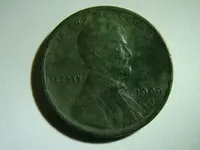


 Do not clean it anymore and have it graded to best protect your asset !!

 Make sure you post after grading !!