Ed-D
Sr. Member
- Joined
- Jan 1, 2011
- Messages
- 429
- Reaction score
- 810
- Golden Thread
- 0
- Location
- North Texas
- Detector(s) used
- Garrett AT Max and Pro, NEL Hunter Coil, ACE Apex for the coast
- Primary Interest:
- All Treasure Hunting
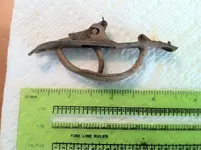
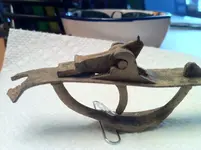
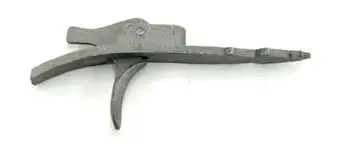
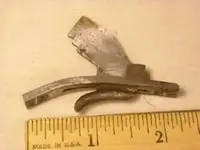
The trigger is in the trigger guard backwards, the lever has to rise up to trip the sear, pulling on the trigger in the position it is in would cause the lever to pull down into the trigger guard instead of up. If the trigger is pictured mounted like it's supposed to be, it would have to be for a different type of mechanism than an early firearm.


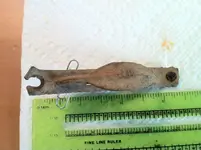
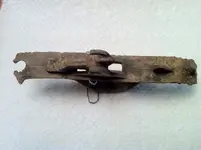
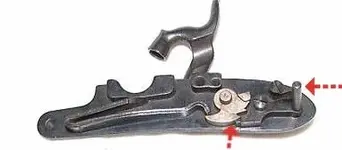
The first picture is a muzzloading trigger, second picture shows it pulled in the firing position, and the third photo shows the inside of the lock. The arrow pointing left shows the part that engages the trigger. The arrow pointing up shows the sear. When the gun is cocked the sear goes into the notch in the tumbler, when the trigger rises up, the lever disengages from the notch and the hammer falls. Note that the mechanism operates off of flat springs. There were no coil springs until the late 1800's.The position of the trigger is exactly as it came out of the ground. Also, very doubtful for 1700's unless it was a family heirloom. I'm in north Texas and the area was settled in mid to late 1800's. I have found a couple of old shot gun shell brass nearby. They were REM UMC Nitro Club No. 12 (no daisy pattern around the primer). I've been told that is dated 1893-1911.