Crow
Silver Member
- Joined
- Jan 28, 2005
- Messages
- 4,790
- Reaction score
- 13,695
- Golden Thread
- 0
- Location
- In a tax haven some where
- Detector(s) used
- ONES THAT GO BEEP! :-)
- Primary Interest:
- Other
- #1
Thread Owner
You know most people are lucky to have one property in their life time. I have been fortunate in life. My dear old Welsh mum's father as young man lost a family farm in Rural Wales during WW1 when he was away fighting in WW1 and never forgave his older brother for not watching their father my great grandfather on my mothers fathers side. They had been sheep farmers in 1900 temperance died in childbirth leaving my great grandfather with pile of children and young baby look after. The baby was adopted out. However he hit booze and went down hill. The family farm had been in the family since 1588.
Well the story goes as my late mother tells it while her father was away at war her grandfather took on house keeper in later years. her uncle was supposed to watch over the family estate. took off and did his own thing. in mean time this housekeeper got my great grandfather suffering from the effect of alcoholism to change the will with the family farm putting it into the house keepers name. When my grandfather came back from WW1 he discovered the family had been duded out the family inheritance. So it was always sore point with in the family. My mother grew up on an another family a small holding but nothing compared to what they lost. But always recalled the bitterness of the loss. My fathers side family was from Ireland sheep farmers also. they had lost there lands also. In ironic twist of fate I had bought that property in Ireland dating back to 1800. That had EU carbon credits for having pine plantations on them and farming leased out to other farms so it pays it way.
There was historical connection to the land that made a deep rooted cultural attachment to the land and yet as generation past we have moved on to live in different countries. Today none of family or descendants have no emotional connection to property for over 100 years. Yet today the property has been offered for sale. Well only part of it. The main farm land has been incorporated into surrounding farms. The farm house with about 3 acres is up for sale. It is heritage listed grade 2 as it is virtual the same as it was built in 1588. it did have a modern extension in 1689. Even the stone outbuildings are protected.
Yet part of me wants my heart to buy the property as a strange sort of full circle. I own multiple properties around the world. I live on the other side of world. It will never be functioning farm again. heritage list places are always expensive to repair. And I have zero use for it. But part of me wants it knowing it even if it will probably be liability.
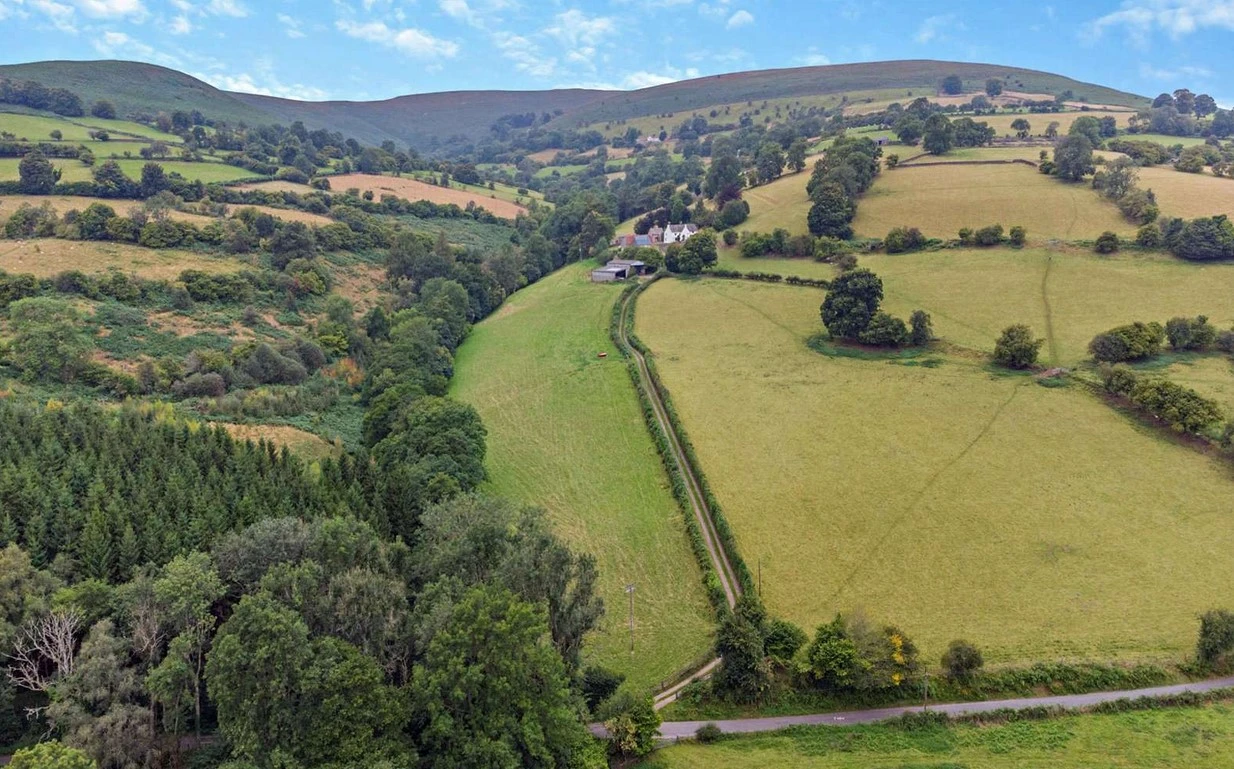
It is opportunity in making that has taken over 100 years to be back in the family. None of family and descents are interested in it. Not even my kids And I am the only one wealthy enough in the family to buy the property. My other half will properly divorce me.
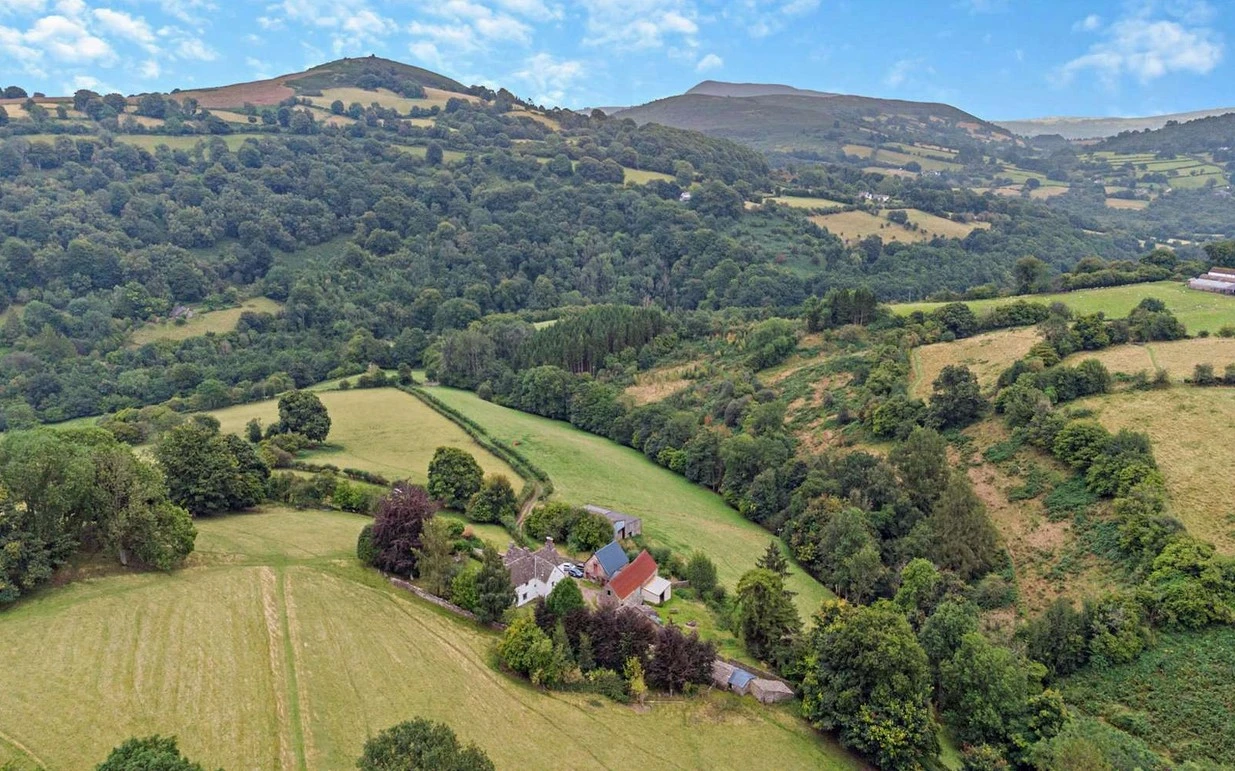
There is a right of way through the property as it part of ancient pilgrims way. 200 metres up the hill is an ancient church dating back to 11th century.
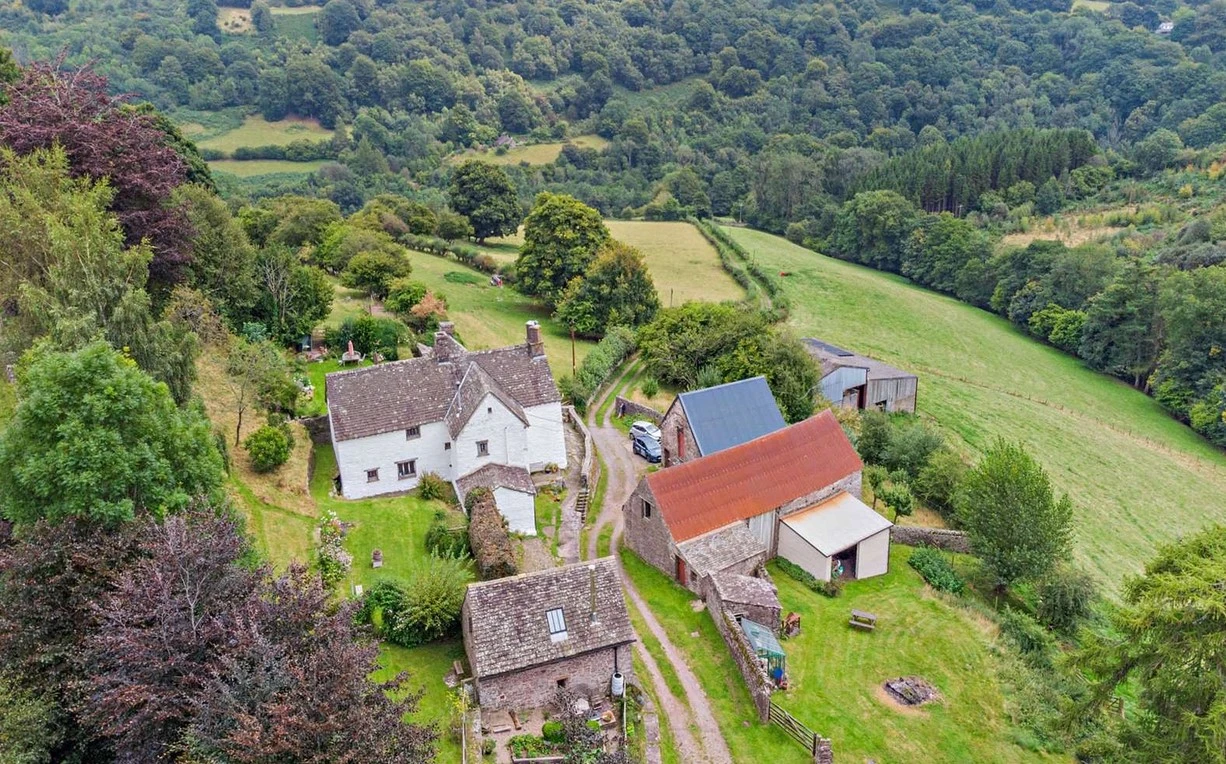
The ancient stone farm house dates back 1588. roughly 437 years old. for 310 years is was in my mother fathers family.

The land was owned by a wealthy lord that supported the Royalist.. And my fathers family had rights as tenant farmer until the civil war. Afterwards the title became extinct became eventually property of family.
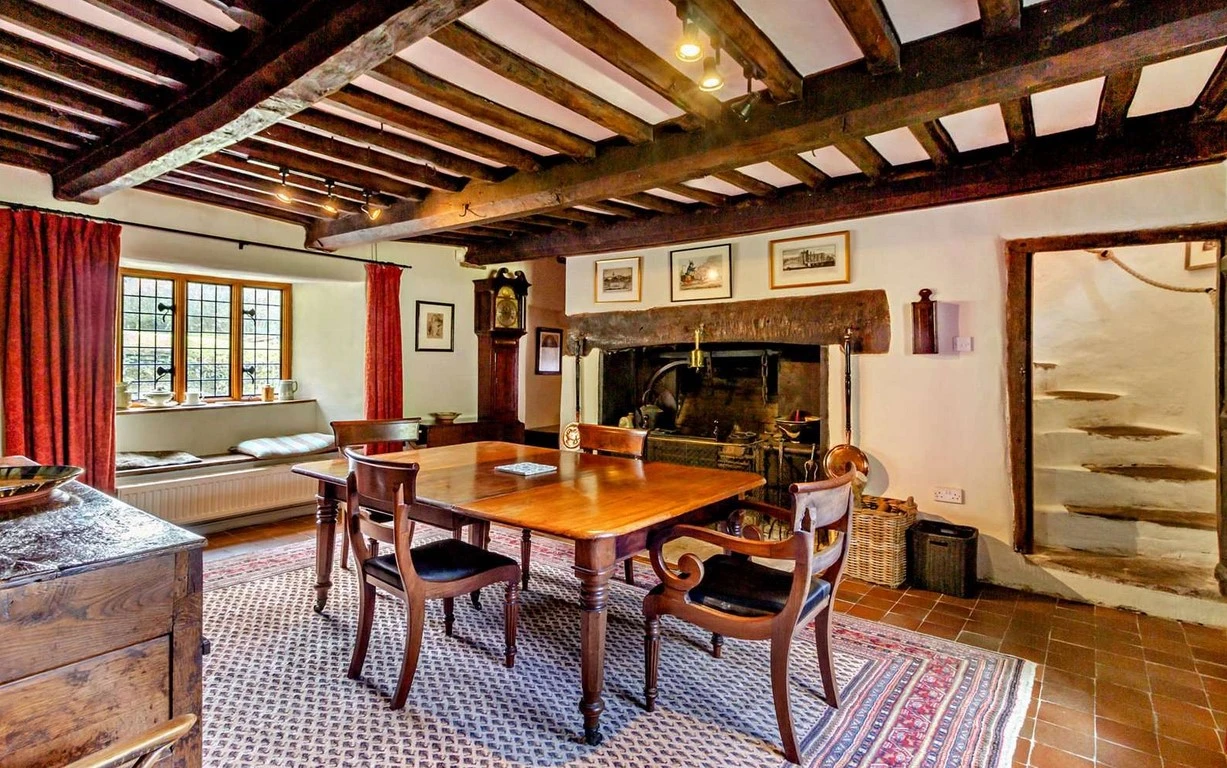
The timber paneling dates back to English civil war. The English Civil Wars (1642-1651) significantly impacted Wales, with both the Royalist and Parliamentarian sides vying for control. Wales, largely supportive of the King, became a crucial area for recruiting and supplying the Royalist army. The conflict in Wales saw major battles like St. Fagans and Y Dalar Hir, and the war's end in Wales came with the Parliamentarian victory at St. Fagans. A family story that round heads came and hack the front door down as they was seen as supporters of royalists.
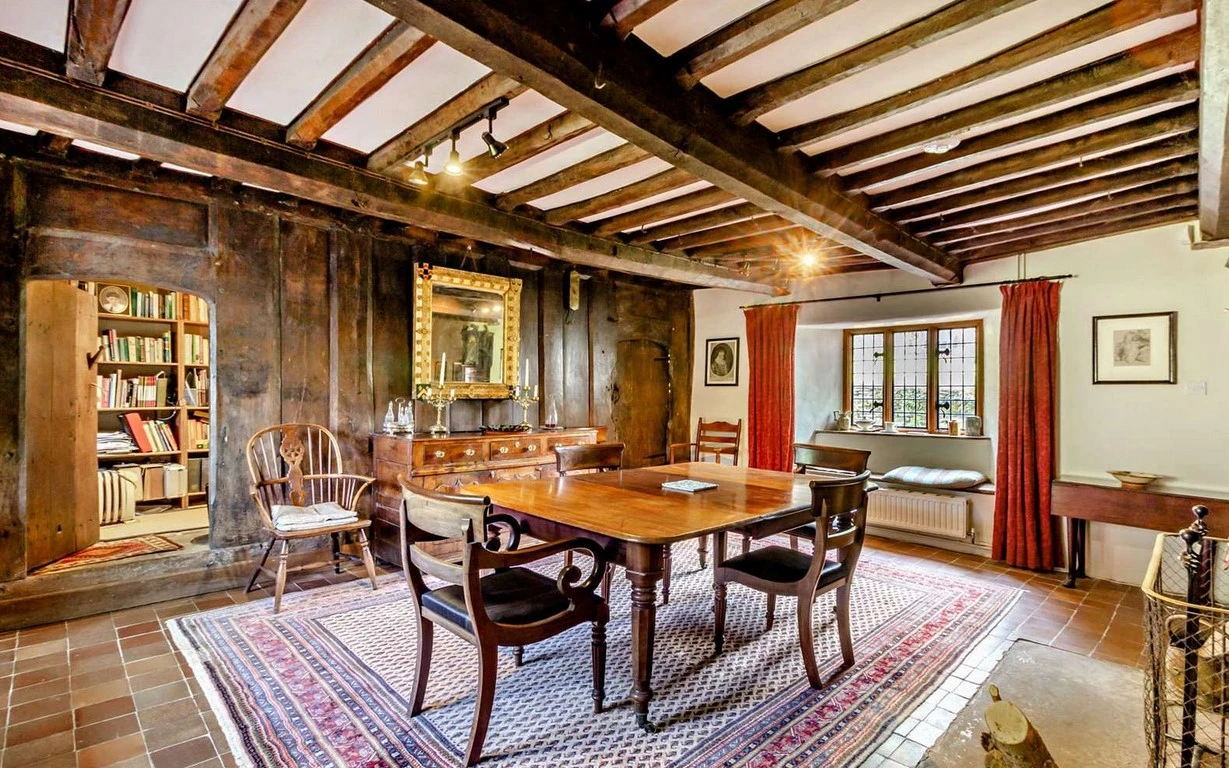
Grand dad lived there between 1895 and 1915. When his father died in 1915 Grandad was in France. he had go Awol to come back to contest the will. But he never got the chance. His older brother who was supposed to have been handling things was inept. He never spoke ever to his older brother to his dying day. I met my grandfather only four times in his late 80's.
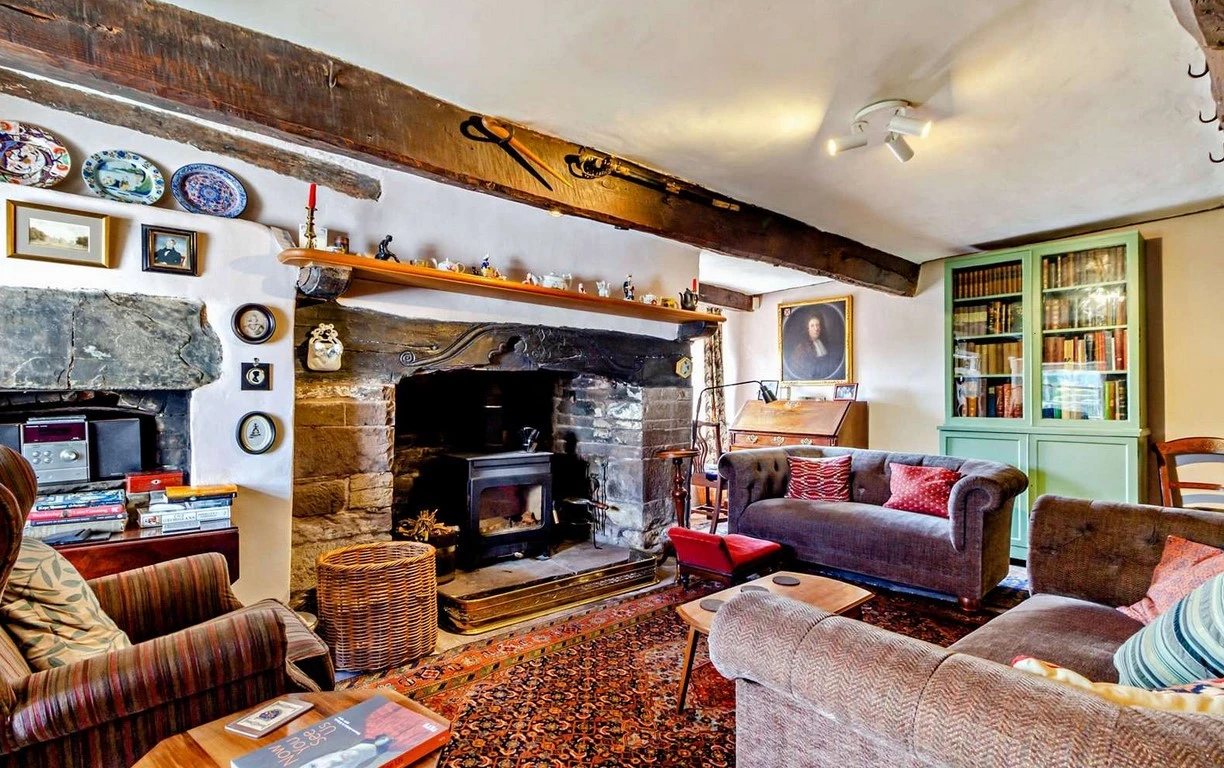
I believe this was bedroom my great grand mother died in 1900. She died in child birth. My grandfather was only 5 years old at the time. his younger brother David the baby was adopted out and ended up in Australia. When years later he traveled back to Wales in 1958 to find his true family my grandfather would have nothing to with him. I never forgave him for that.

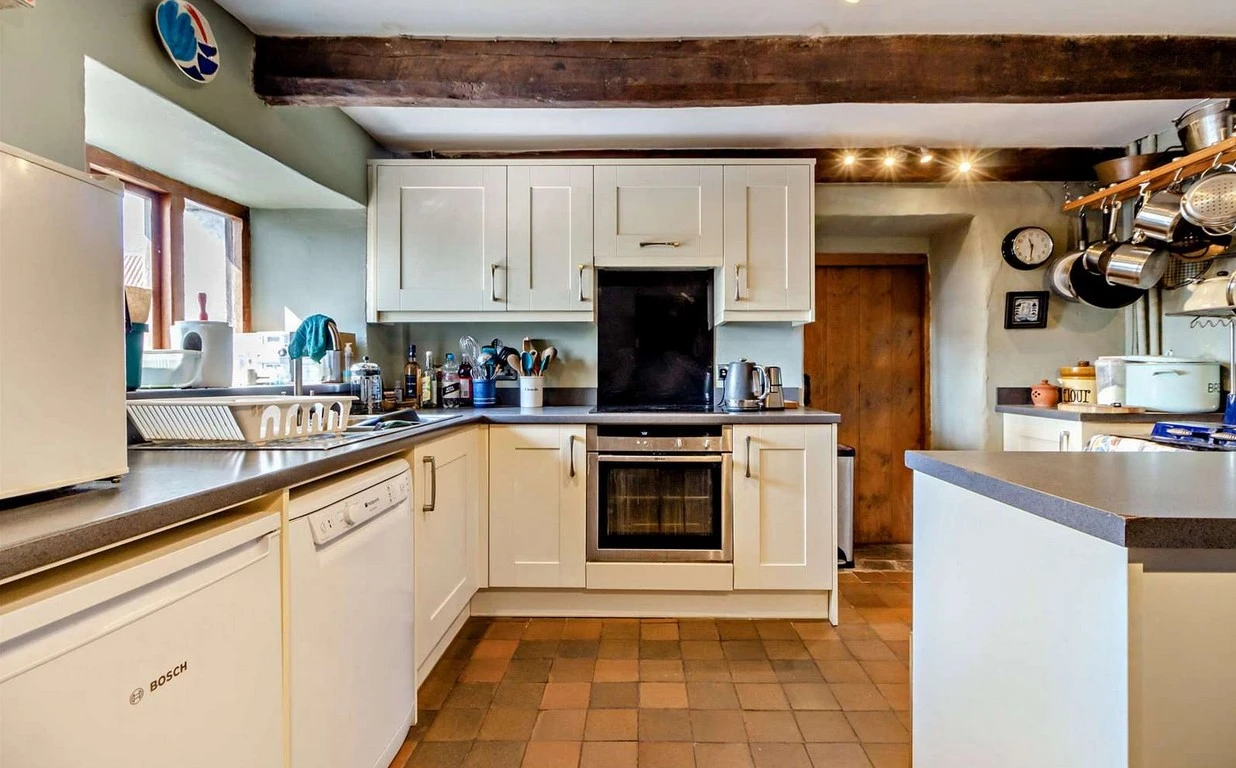
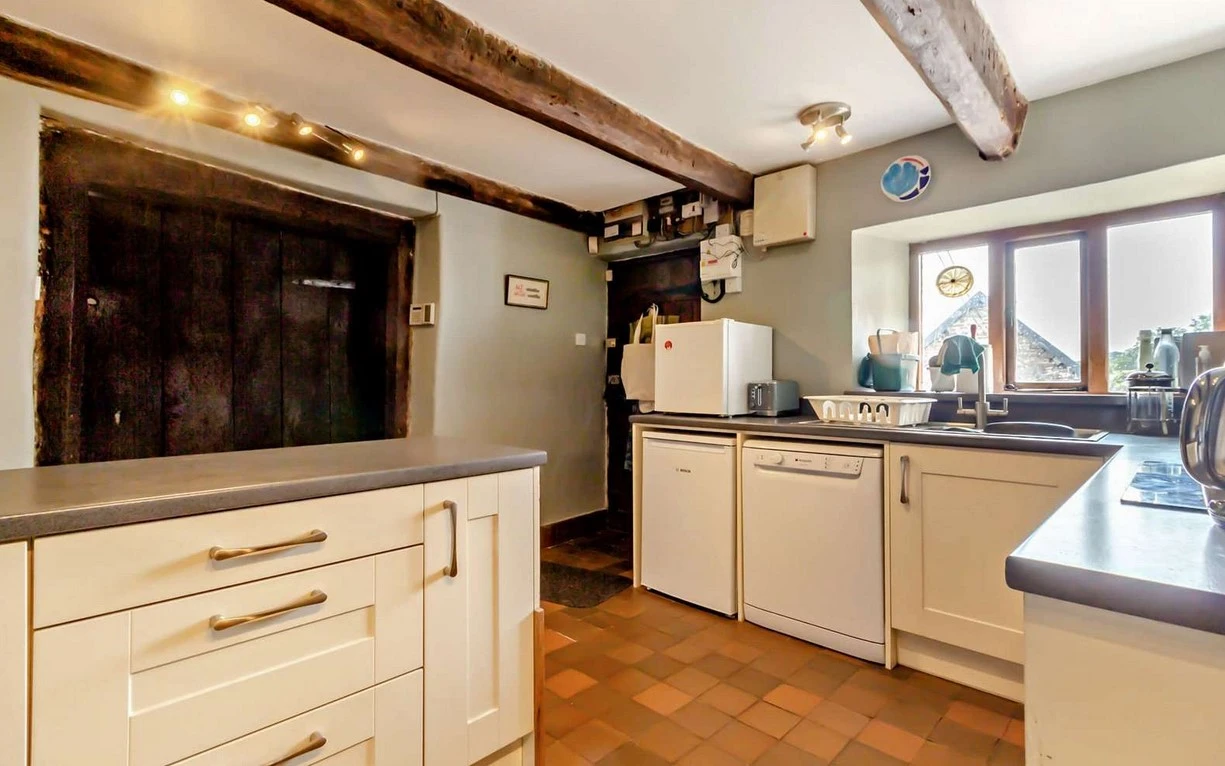
The kitchen has been updated. in my grandfather's time they cooked everything in fireplace.
The ancient pathways had trod by pilgrim visiting the church below built in the 11th century. The track on the right-hand side leads to the farm.
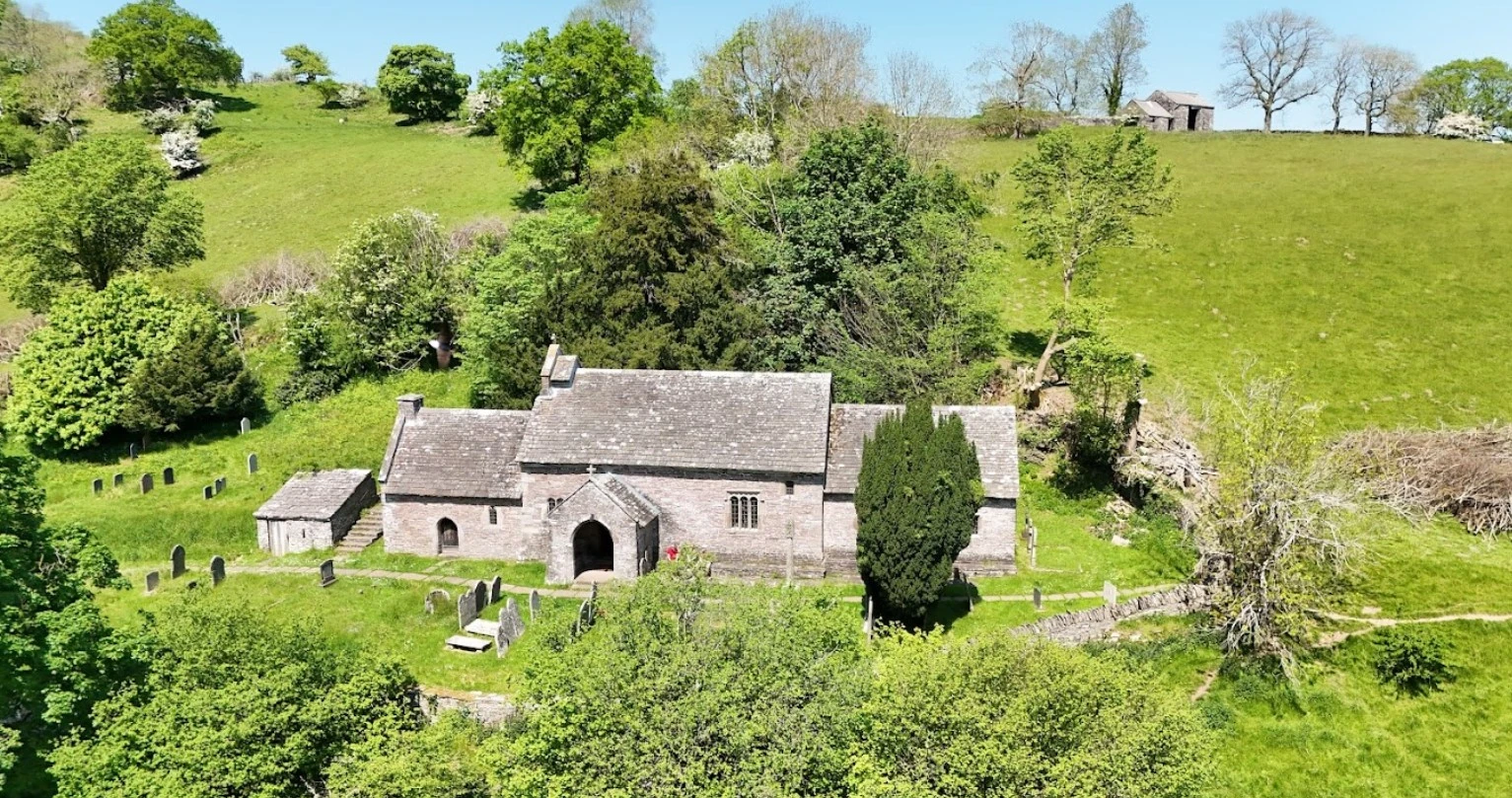
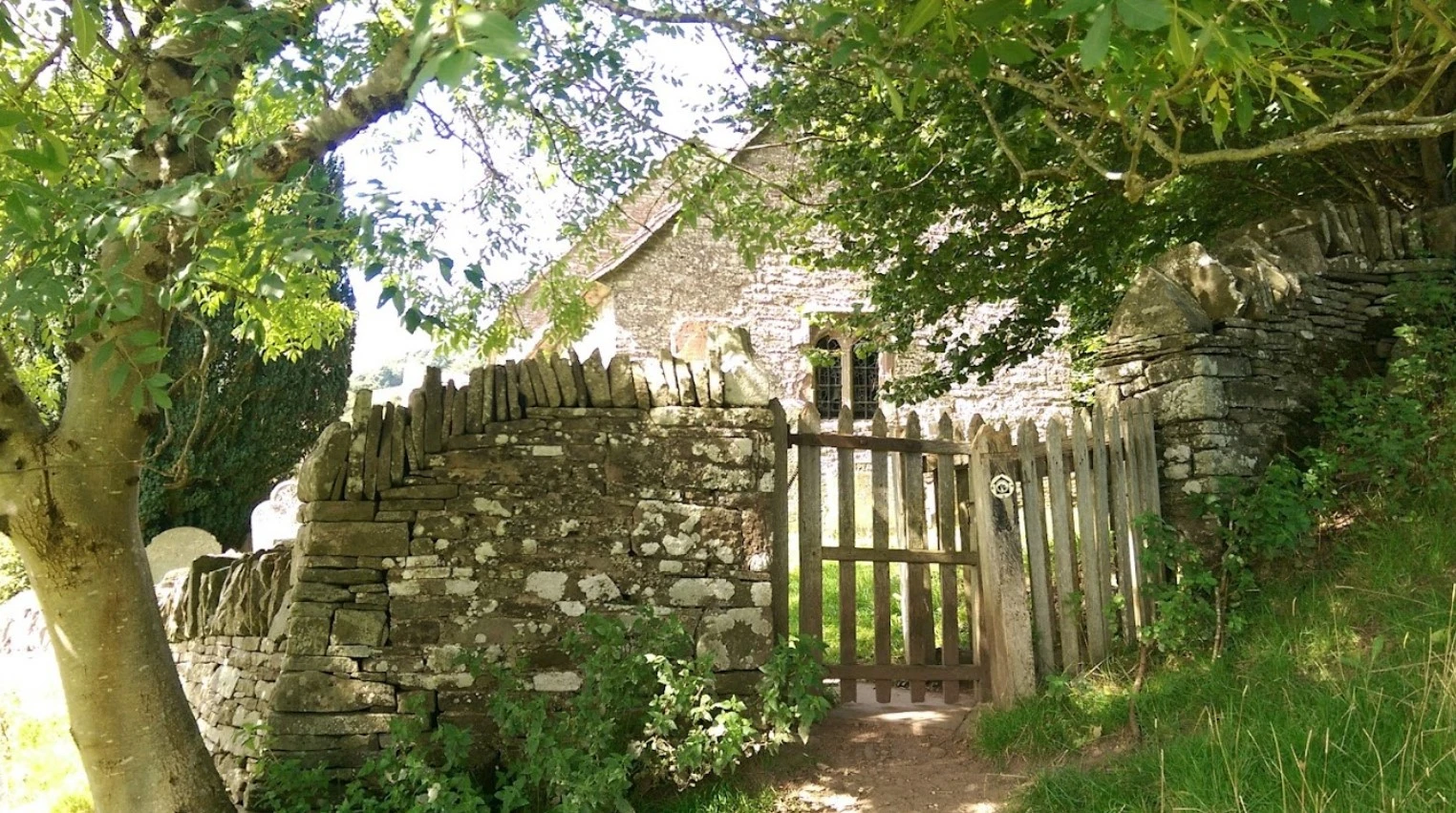
The church has virtual has always been open.
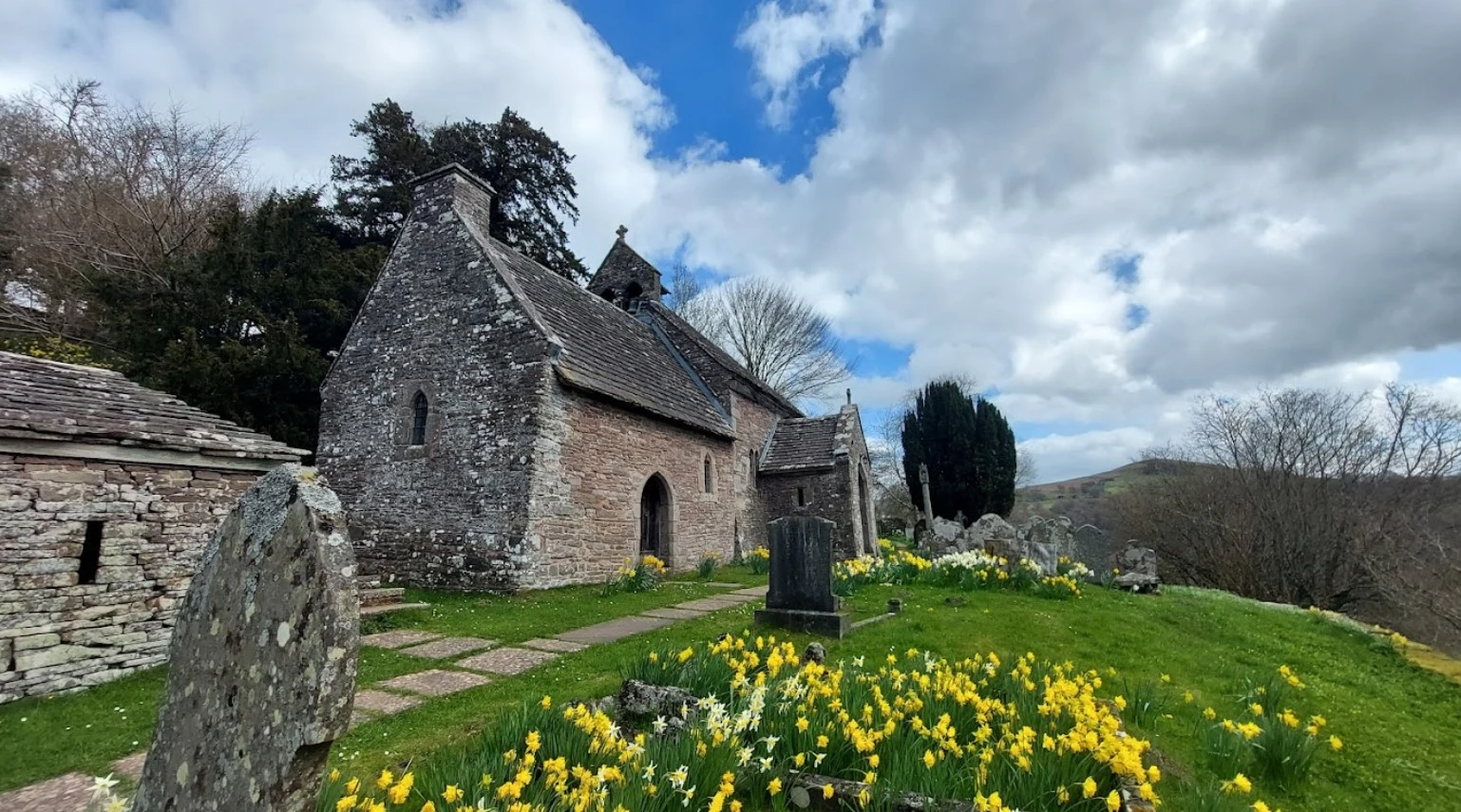
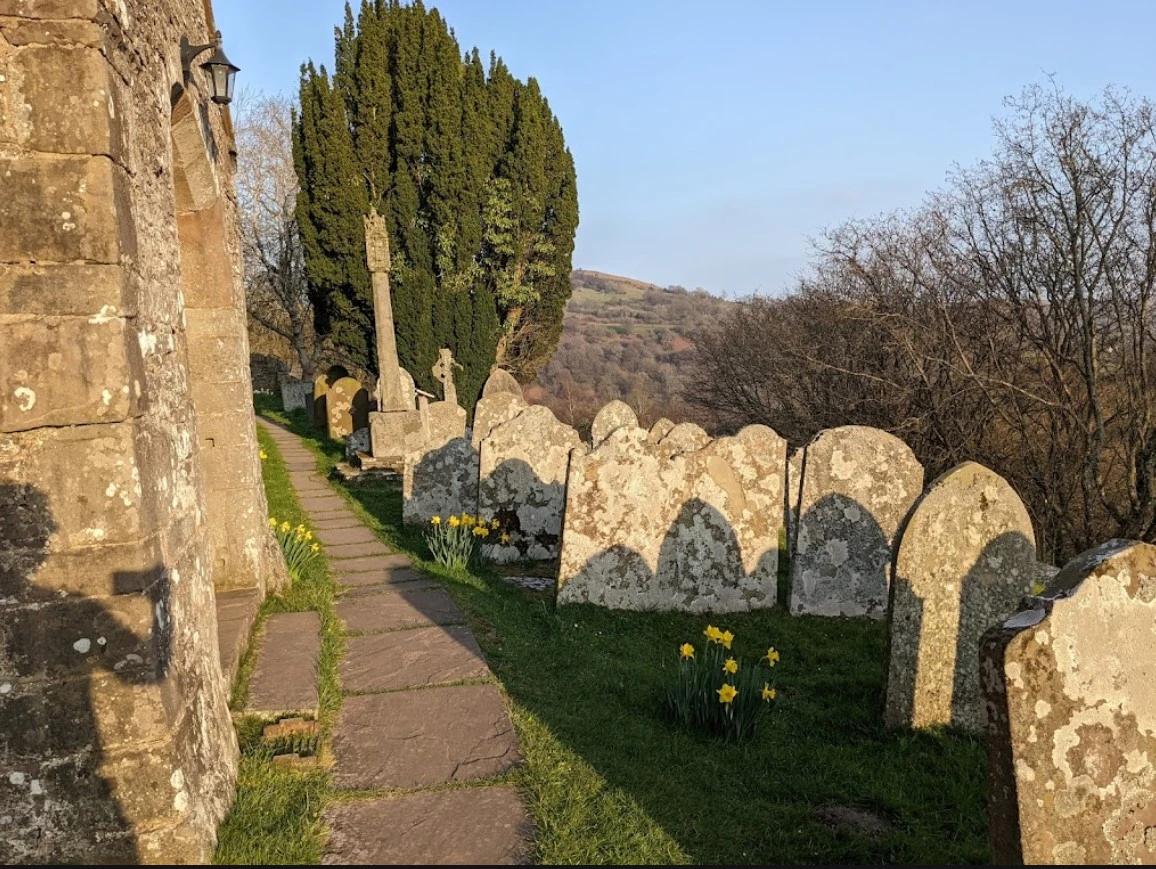
It was I believe built by the Normans. Some of my ancestors are buried in the churchyard.The tall headstone is Norman Lord who owned the land
inside the church is drawing of a skeleton on wall dating back 14th century Wales experienced a devastating plague, the Black Death, in the mid-14th century. The plague, which arrived in 1349, is believed to have spread from southern England via maritime trade routes. It caused widespread death, with estimates suggesting a quarter of the Welsh population perished within a year. The plague's impact extended beyond mortality, significantly impacting the social, economic, and religious landscape of Wales. ironic as its reminder that Death is never far away. we went through with covid 19. Ironic as Covid killed my elderly mother.
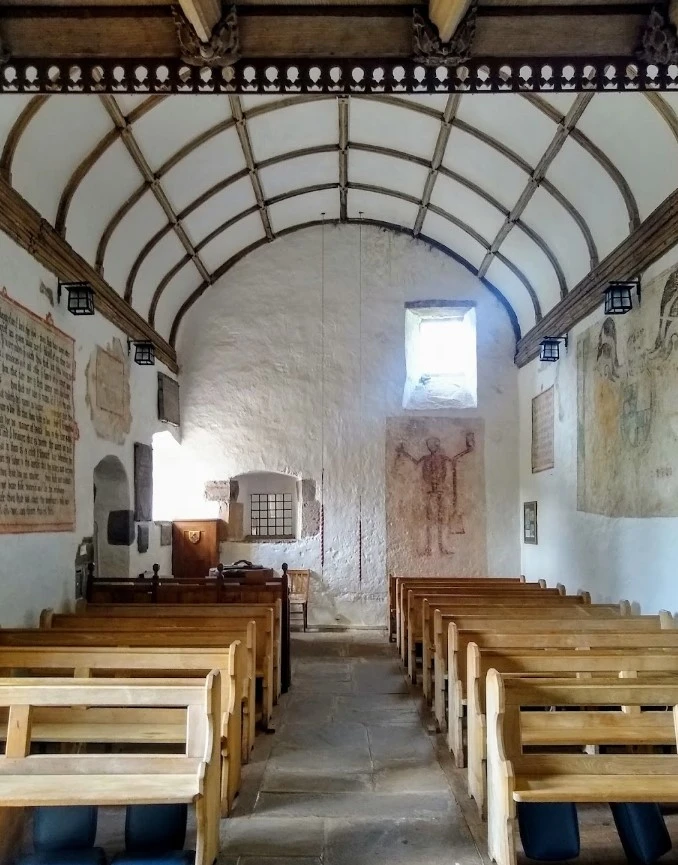
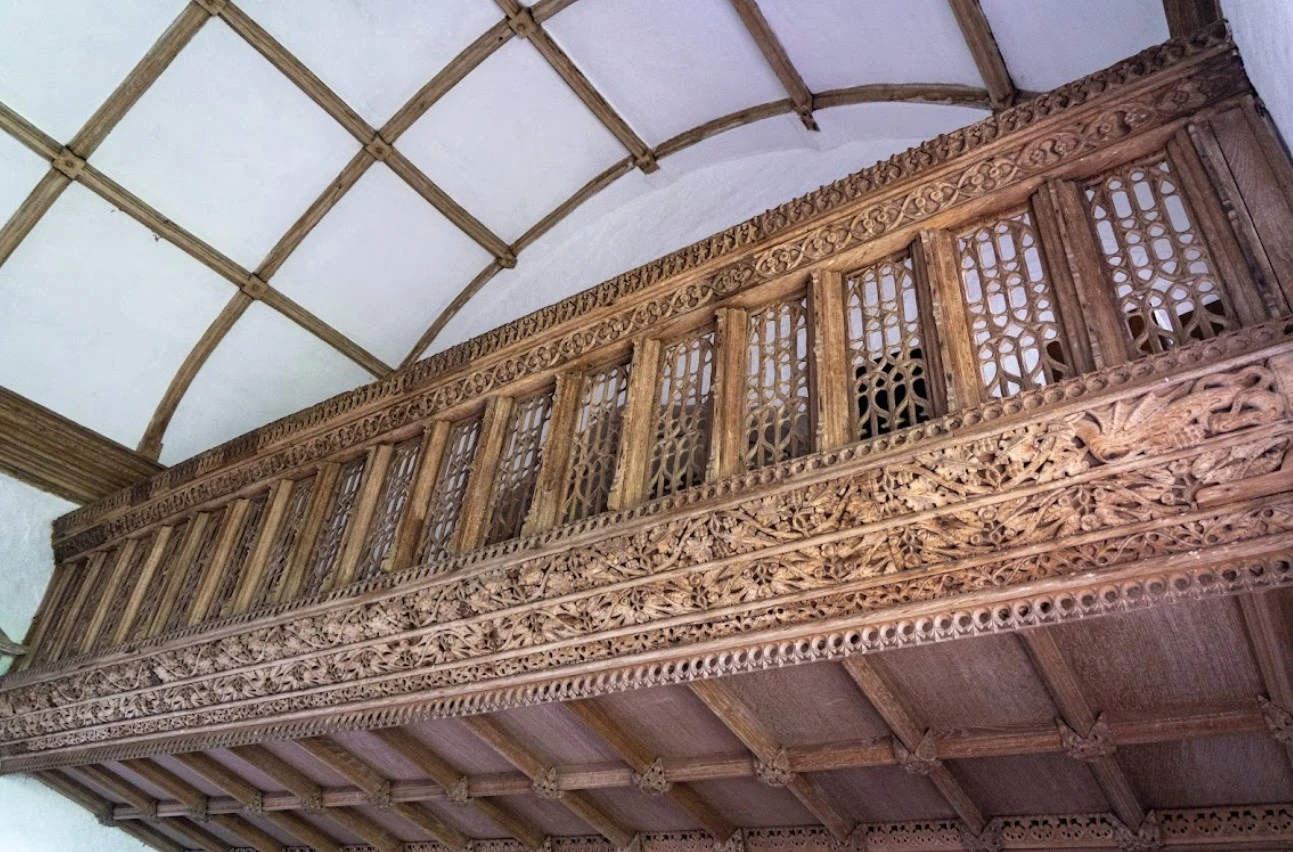
It has beautiful carvings dating back to the 14th century.
Through the back gate the trail leads down to the farm.
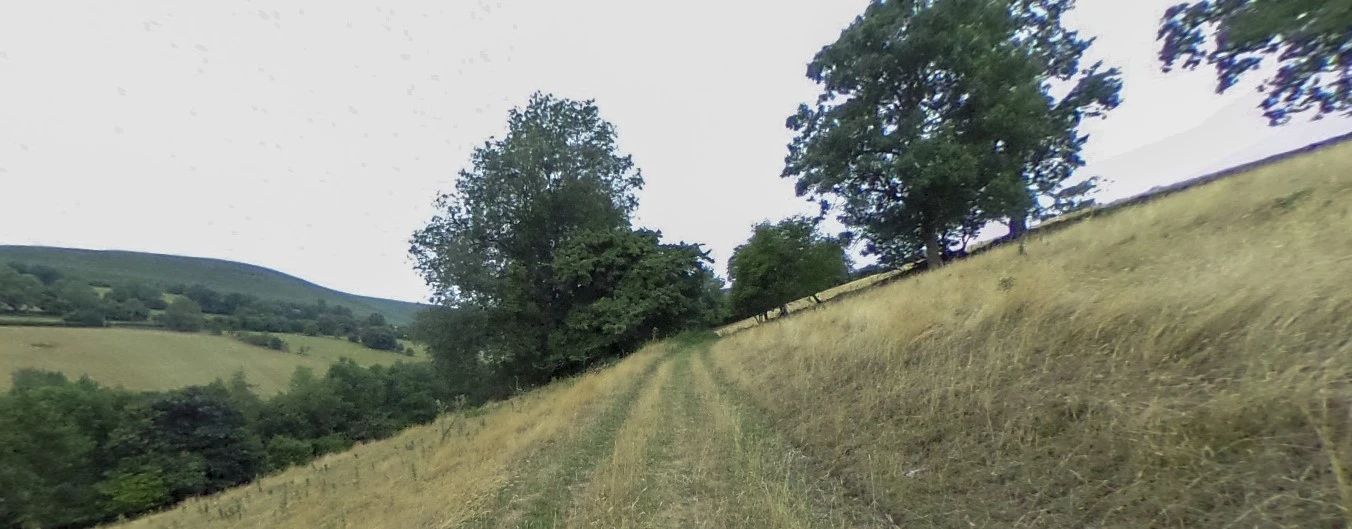
The old pilgrims path takes you back down to the farm. I really love to detect the ancient path.
So there you have it. An enticing tug of war between head and heart. I know secretly which one will win. even if I do not want to admit it.
Crow
Well the story goes as my late mother tells it while her father was away at war her grandfather took on house keeper in later years. her uncle was supposed to watch over the family estate. took off and did his own thing. in mean time this housekeeper got my great grandfather suffering from the effect of alcoholism to change the will with the family farm putting it into the house keepers name. When my grandfather came back from WW1 he discovered the family had been duded out the family inheritance. So it was always sore point with in the family. My mother grew up on an another family a small holding but nothing compared to what they lost. But always recalled the bitterness of the loss. My fathers side family was from Ireland sheep farmers also. they had lost there lands also. In ironic twist of fate I had bought that property in Ireland dating back to 1800. That had EU carbon credits for having pine plantations on them and farming leased out to other farms so it pays it way.
There was historical connection to the land that made a deep rooted cultural attachment to the land and yet as generation past we have moved on to live in different countries. Today none of family or descendants have no emotional connection to property for over 100 years. Yet today the property has been offered for sale. Well only part of it. The main farm land has been incorporated into surrounding farms. The farm house with about 3 acres is up for sale. It is heritage listed grade 2 as it is virtual the same as it was built in 1588. it did have a modern extension in 1689. Even the stone outbuildings are protected.
Yet part of me wants my heart to buy the property as a strange sort of full circle. I own multiple properties around the world. I live on the other side of world. It will never be functioning farm again. heritage list places are always expensive to repair. And I have zero use for it. But part of me wants it knowing it even if it will probably be liability.
It is opportunity in making that has taken over 100 years to be back in the family. None of family and descents are interested in it. Not even my kids And I am the only one wealthy enough in the family to buy the property. My other half will properly divorce me.
There is a right of way through the property as it part of ancient pilgrims way. 200 metres up the hill is an ancient church dating back to 11th century.
The ancient stone farm house dates back 1588. roughly 437 years old. for 310 years is was in my mother fathers family.
The land was owned by a wealthy lord that supported the Royalist.. And my fathers family had rights as tenant farmer until the civil war. Afterwards the title became extinct became eventually property of family.
The timber paneling dates back to English civil war. The English Civil Wars (1642-1651) significantly impacted Wales, with both the Royalist and Parliamentarian sides vying for control. Wales, largely supportive of the King, became a crucial area for recruiting and supplying the Royalist army. The conflict in Wales saw major battles like St. Fagans and Y Dalar Hir, and the war's end in Wales came with the Parliamentarian victory at St. Fagans. A family story that round heads came and hack the front door down as they was seen as supporters of royalists.
Grand dad lived there between 1895 and 1915. When his father died in 1915 Grandad was in France. he had go Awol to come back to contest the will. But he never got the chance. His older brother who was supposed to have been handling things was inept. He never spoke ever to his older brother to his dying day. I met my grandfather only four times in his late 80's.
I believe this was bedroom my great grand mother died in 1900. She died in child birth. My grandfather was only 5 years old at the time. his younger brother David the baby was adopted out and ended up in Australia. When years later he traveled back to Wales in 1958 to find his true family my grandfather would have nothing to with him. I never forgave him for that.
The kitchen has been updated. in my grandfather's time they cooked everything in fireplace.
The ancient pathways had trod by pilgrim visiting the church below built in the 11th century. The track on the right-hand side leads to the farm.
The church has virtual has always been open.
It was I believe built by the Normans. Some of my ancestors are buried in the churchyard.The tall headstone is Norman Lord who owned the land
inside the church is drawing of a skeleton on wall dating back 14th century Wales experienced a devastating plague, the Black Death, in the mid-14th century. The plague, which arrived in 1349, is believed to have spread from southern England via maritime trade routes. It caused widespread death, with estimates suggesting a quarter of the Welsh population perished within a year. The plague's impact extended beyond mortality, significantly impacting the social, economic, and religious landscape of Wales. ironic as its reminder that Death is never far away. we went through with covid 19. Ironic as Covid killed my elderly mother.
It has beautiful carvings dating back to the 14th century.
Through the back gate the trail leads down to the farm.
The old pilgrims path takes you back down to the farm. I really love to detect the ancient path.
So there you have it. An enticing tug of war between head and heart. I know secretly which one will win. even if I do not want to admit it.
Crow
Last edited:


 and search that ravine/creek? next to the property.