However it was not soon after that Every and his crew would score their biggest prize yet. Every and his crew then set sail for the island of Perim in order to wait for the annual fleet making its pilgrimage to Mecca. This fleet was very similar to the Spanish Treasure Fleet of the Spanish Main in the 15th through 18th centuries and contained about as many riches. The Mughal fleet made annual trips to Mecca so it was just a matter of gaining the information regarding the dates and then waiting in ambush.
In August of 1695, Every and the crew aboard the Fancy reached the Straits of Bab-el-Mandeb and began preparing for their ambush. It was here that they joined forces with five other pirate captains including Thomas Tew on the
Amity with sixty pirates. The other pirate captains were Joseph Faro with the
Portsmouth Adventure along with sixty pirates, Richard Want with the
Dolphin and sixty men, William Mayes with the
Pearl and thirty-forty pirates and Thomas Wake with the
Susanna and seventy pirates. All of these pirates had privateering commissions from all across the Eastern seaboard of the North American colonies.
Despite the fact that Tew had more experience in the area, Every was elected admiral of the six pirate ship flotilla and commanded a total of over 400 pirates. Together they all lay in ambush for the treasure convoy to pass through.
Eventually the Mughal treasure convoy did pass right in front of the pirates in the straights of Surat. The treasure convoy was comprised of twenty-five ships including the 1,600 ton flagship
Ganj-i-sawai. This ship was a massive, eighty cannon behemoth that was loaded to the brim with treasure along with the 600-ton
Fateh Muhammed escort. The convoy managed to initially run from the pirates however, the pirates gave chase.
The pirates eventually caught the Mughal convoy four or five days later. The
Dolphin and the
Susanna fell behind initially so the
Dolphin was burnt and the crew transferred to the
Fancy. The
Susanna eventually caught up to the fleet and rejoined them before they overtook the convoy. Initially Every and his crew captured the escort ship, the
Fateh Muhammed.
The
Fateh Muhammed gave the pirates little resistance and they were able to capture the ship with little losses to the crew and ship. Every's crew personally sacked the ship which belonged to Abdul Ghaffer, rumored to be Surat's wealthiest merchant. The total haul from the
Fateh Muhammed was around £50,000 to £60,000, however each pirate received only small shares of the treasure.
After capturing the
Fateh Muhammed, the pirates next sailed in pursuit of the second massive Mughal treasure ship named the
Ganj-i-sawai which meant 'Exceeding Treasure'. Every and his crew aboard the
Fancy caught up to the ship a few days after they sacked the escorts. The
Amity along with the
Dolphin were not present as Thomas Tew had been slain in a previous engagement with the Mughal ships. This left the
Fancy, the
Pearl and the
Portsmouth Adventure for the final face off with the Mughal treasure ship.
Here is a letter written in Arabic of the capture of Mughal treasure ship named the
Ganj-i-sawai below.
The
Ganj-i-sawai was a massive warship that boasted eighty cannons, an armed crew of nearly four hundred along with 600 regular passengers. The ship was commanded by Muhammad Ibrahim and was determined to give nothing for free to the pirates. However, Every's opening broadside luckily destroyed the mainmast of the ship, crippling it in the water. With the ship incapacitated, Every and his crew began to board the ship. Initially being repelled by musket volleys, the pirates were not so easily deterred. When a cannon exploded on the deck and killed several Indians, the pirates took advantage of the chaos and confusion to climb up the steep sides of the ship.
The Indian crew was busy putting out fires on the ship when the stream of pirates began to pour out onto the deck, armed to the teeth with cutlasses and flintlock pistols reading to kill and maim the unfortunate voyagers. Soon the crew of the
Pearl joined them on the deck and the pirate crews began a brutal boarding battle that fought last 2-3 hours.
Eventually after hours of brutal hand to hand combat, the Indians surrendered to the pirates. Every lost many of his pirate crew in the raid (some reports say ~100), however it was more than worth it. The Grand Mughal ship was carrying nearly £600,000 in precious metals and jewels. This score made Every one of the richest pirates to ever sail the seven seas.
According to Khafi Khan with the above posted original account of the looting, the pirates were brutal with the 600 passengers aboard the ship. In response to the slaughter of their men, the pirates raped and tortured all of the passengers in order to find their hidden loot. They went deck by deck and terrorized the entire ship. Some Muslim women actually committed suicide in order to prevent their husbands from seeing them get raped. While some try to deny these claims, it was even corroborated by Every's men at the time of their trial.
According to John Sparkes in his "Last Dying Words and Confession" that while he had no remorse over the piracy acts he committed he expressed deep remorse over the incident and that the;
"Inhuman treatment and merciless tortures inflicted on the poor Indians and their women still affected his soul"
In addition to this testimony, Sir John Gayer the Governor of Bombay and President of the British East India Company, sent a letter to the Lords of Trade in England stating:
"It is certain the Pyrates, which these People affirm were all English, did do very barbarously by the People of the Gunsway and Abdul Gofor's Ship, to make them confess where their Money was, and there happened to be a great Umbraws Wife (as Wee hear) related to the King, returning from her Pilgrimage to Mecha, in her old age. She they abused very much, and forced severall other Women, which Caused one person of Quality, his Wife and Nurse, to kill themselves to prevent the Husbands seing them (and their being) ravished."
Regardless of whatever happened, the pirates left the survivors aboard their looted ships and were free to continue back to India. The loot of the
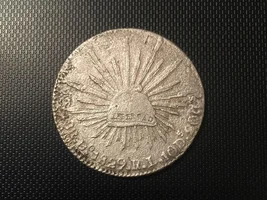
Ganj-i-sawai was valued somewhere between £200,000 and £600,000 including a known treasure of 500,000 pieces of gold and silver.
The lower number is what the East India Company believed it was worth while the higher number is what the Mughals filed with their insurance claim and was most likely to compensate for the atrocities committed to his relatives and countrymen. This heist is regarded as one of the largest pirate captures in recorded history.
To be continued.....
Crow