- Joined
- Apr 24, 2010
- Messages
- 13,022
- Reaction score
- 28,186
- Golden Thread
- 1
- Location
- Upper Canada 🇨🇦
- 🥇 Banner finds
- 1
- Detector(s) used
- XP Deus, Lesche Piranha 35 Shovel & 'Garrett Carrot'
- Primary Interest:
- Relic Hunting
[FONT="]
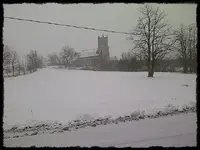
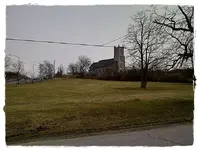
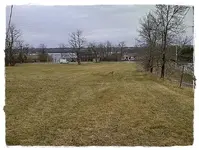
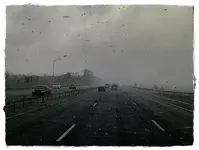
(I hunted this site on April 9) After waiting almost 5 months for the ground to thaw and the temperature to get above the freezing mark, I managed to get in my first hunt of the year! I decided to head back to a field which I felt just had to have more than what I found last year! This field is located next to a church that was built in 1832 in a small village in Eastern Ontario. I’ve included a picture of the field that I took on March 19, as well as a picture of what my drive looked like on April 9 as a snow squall blew across the highway. I spent about 4 hours here and hunted slow and low checking and rechecking all reasonable sounding signals. The soil here was a mix of clay and limestone, with just enough rose-head nails thrown in to make detecting a challenge! [/FONT]
[FONT="] [/FONT]
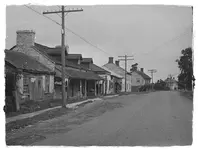
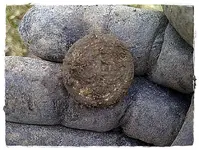
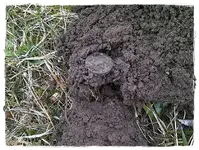
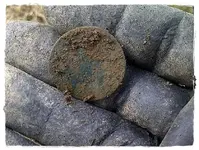
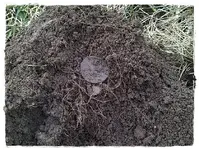
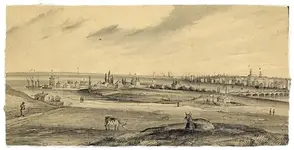
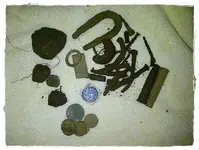
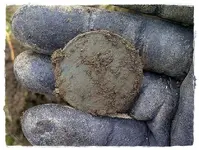
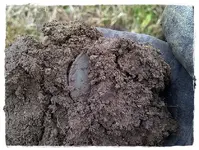
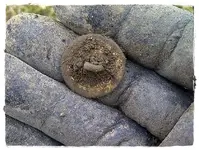
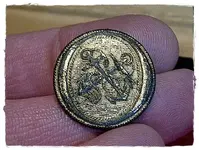
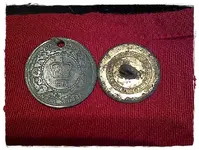
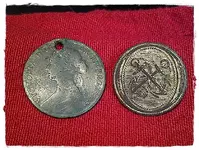
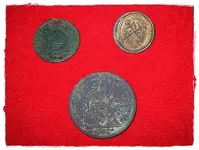
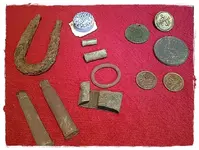
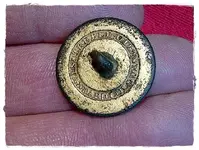
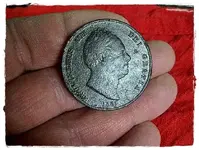
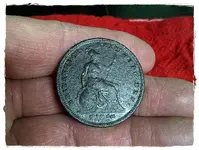
[FONT="]My first find was the 'holed' 1861 Nova Scotia 'Victoria' One Cent. This is the first 'Victorian' era coin I've ever found here in Ontario from another province. My next find was the one-piece Royal Navy Pursers Button, dating from 1825 – 27. My next find was the 1831 British Penny, but as you can see, the soil hasn't been kind to this coin. I also found a couple of 1947 & '50 'King George' pennies. I sure wish the soil here wasn't so rough on the coins in this part of Ontario, as this area holds a lot of early history! One of the locals stopped to chat and she told me about a number of mid-Victorian era homes that had been torn down on the west side of the village a number of years ago. I have included a couple of early pics of the town. The first picture is of the village in the 1920's, the town has changed very little since this was taken too! The second pic is of the general area where the mid-Victorian era homes where torn down. I’ll concentrate this area on when I'm down there again next month![/FONT]
[FONT="] [/FONT]
[FONT="]Thanks very much for looking,[/FONT]
[FONT="]Dave[/FONT]
(I hunted this site on April 9) After waiting almost 5 months for the ground to thaw and the temperature to get above the freezing mark, I managed to get in my first hunt of the year! I decided to head back to a field which I felt just had to have more than what I found last year! This field is located next to a church that was built in 1832 in a small village in Eastern Ontario. I’ve included a picture of the field that I took on March 19, as well as a picture of what my drive looked like on April 9 as a snow squall blew across the highway. I spent about 4 hours here and hunted slow and low checking and rechecking all reasonable sounding signals. The soil here was a mix of clay and limestone, with just enough rose-head nails thrown in to make detecting a challenge! [/FONT]
[FONT="] [/FONT]
[FONT="]My first find was the 'holed' 1861 Nova Scotia 'Victoria' One Cent. This is the first 'Victorian' era coin I've ever found here in Ontario from another province. My next find was the one-piece Royal Navy Pursers Button, dating from 1825 – 27. My next find was the 1831 British Penny, but as you can see, the soil hasn't been kind to this coin. I also found a couple of 1947 & '50 'King George' pennies. I sure wish the soil here wasn't so rough on the coins in this part of Ontario, as this area holds a lot of early history! One of the locals stopped to chat and she told me about a number of mid-Victorian era homes that had been torn down on the west side of the village a number of years ago. I have included a couple of early pics of the town. The first picture is of the village in the 1920's, the town has changed very little since this was taken too! The second pic is of the general area where the mid-Victorian era homes where torn down. I’ll concentrate this area on when I'm down there again next month![/FONT]
[FONT="] [/FONT]
[FONT="]Thanks very much for looking,[/FONT]
[FONT="]Dave[/FONT]
Attachments
-
 'The Field' - Mar. 19.webp42.4 KB · Views: 140
 -
 'The Field' - Apr. 9.webp61.5 KB · Views: 144
 -
 April 9 002.webp79.6 KB · Views: 142
 -
 April 9 003.webp41.5 KB · Views: 139
 -
 'The Village' c.1920.webp28.3 KB · Views: 142
 -
 Navy Button 002.webp97.6 KB · Views: 144
 -
 Navy Button 001.webp112.6 KB · Views: 159
 -
 1861 Nova Scotia One Cent 002.webp93.8 KB · Views: 162
 -
 1861 Nova Scotia One Cent 001.webp116.7 KB · Views: 168
 -
 'The Village' Looking West c.1800.webp31.5 KB · Views: 158
 -
 Dirty Finds.webp66.5 KB · Views: 134
 -
 1831 British Penny 002.webp96.1 KB · Views: 146
 -
 1831 British Penny 001.webp97.6 KB · Views: 149
 -
 Navy Button 003.webp96.6 KB · Views: 134
 -
 Royal Navy Purser Button 001.webp73.3 KB · Views: 155
 -
 The Finds 004.webp83 KB · Views: 150
 -
 The Finds 003.webp98 KB · Views: 156
 -
 The Finds 002.webp67.8 KB · Views: 149
 -
 The Finds 001.webp80.9 KB · Views: 154
 -
 Royal Navy Purser Button 002.webp73.8 KB · Views: 144
 -
 1831 British Penny 003.webp76.5 KB · Views: 154
 -
 1831 British Penny 004.webp71.3 KB · Views: 146
Upvote
12





 I have no idea what it's function was and I found a couple of these at this site too. I'm sure someone out there knows what it was used for!


 Royal Navy Purser
  possibly THE " first one " , of that kind posted , very unique button , ya Done Good , Dave