What's new

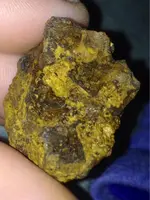
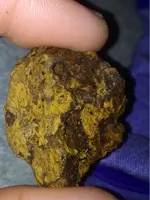
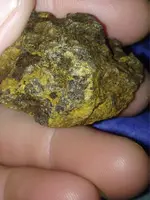
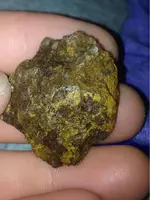
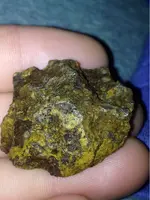
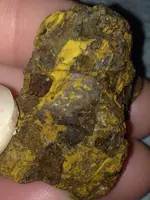
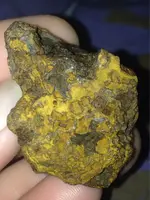
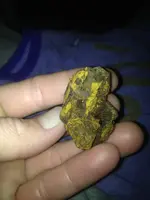
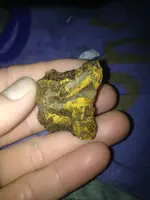
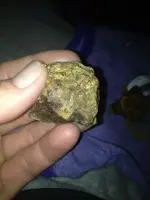
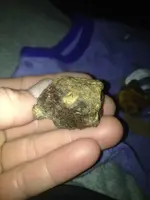
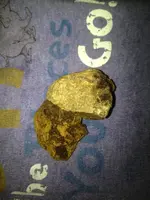
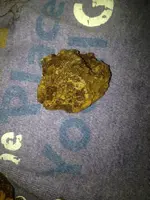
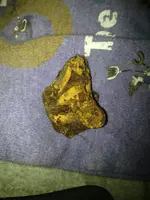
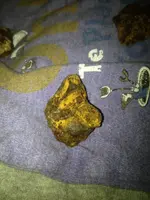
Need some help wih id and pissible gold.

chriseneim

Sr. Member
Joined
May 5, 2013
Messages
342
Reaction score
146
Golden Thread
0
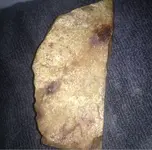
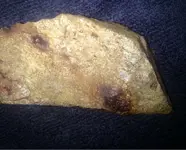
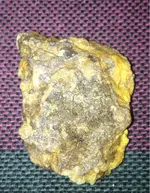
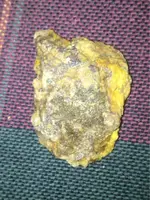
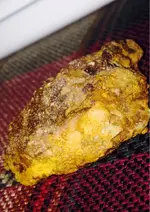
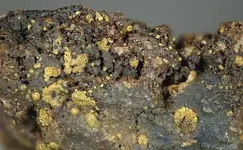
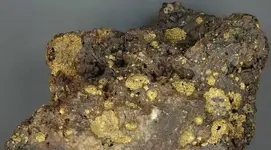
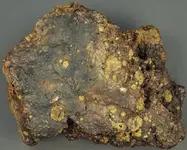
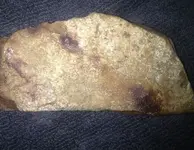
These are from my trip last month to Colorado and I got them in tailing piles at old abandoned magnolia mill mine. Both passed 18 k gold test. Was thinking maybe roasted ore and then the other a layer of gold coating the rock? The yellow in pic 4 is not sulphur I heated it and no smell and soaked in vinegar and did a drop of testing acid and no affect what so ever. Would love some info from you guys. Thanks guys.
 

Attachments
  • image-254648349.webp
    image-254648349.webp
    129.9 KB · Views: 255
  • image-4228827507.webp
    image-4228827507.webp
    113.1 KB · Views: 218
  • image-1127993389.webp
    image-1127993389.webp
    98.1 KB · Views: 209
  • image-3625419975.webp
    image-3625419975.webp
    139.8 KB · Views: 233
  • image-2802936053.webp
    image-2802936053.webp
    99 KB · Views: 189
  • image-3139198651.webp
    image-3139198651.webp
    119.2 KB · Views: 186
Upvote 0
Gold testing acid is really for metal, not rocks or stones. Most rocks will show absolutely no reaction to acids, so I don't think your test is a valid one.
 
If it's gold it will scratch easily with the point of a knife (not flake).
One picture is not positive but the rest don't look like gold
Don't give up!.
 
Gold testing acid is really for metal, not rocks or stones. Most rocks will show absolutely no reaction to acids, so I don't think your test is a valid one.
I did not scratch the actual rock just a flake of the shiny and piece of the yellow in the other one. And by the way you response gave me no help as I am more educated then you presume when it comes to geology and minerals. Please give a little more info
 
If it's gold it will scratch easily with the point of a knife (not flake). One picture is not positive but the rest don't look like gold Don't give up!.
I will do knife test and post pics of results later today. Thanks man
 
If it's gold it will scratch easily with the point of a knife (not flake). One picture is not positive but the rest don't look like gold Don't give up!.
the arrow is pointing the scratch. It def is metallic when you cut into it and soft no flaking crumbs of shatters Also here is another pic of the other rock in natural sunlight no flash cause I know it has been making my pic look weird. Let me know
 
did it hurt pissing that out lol
 
Last edited:
Do you have a metal detector (prospecting detector circuit) to run your samples under? (Or, do you have a friend that does a LOT of nugget hunting with a metal detector that can check it out for you? The would even be better.) That might help to see if it's metal or not as well (or which rocks contain metal).

If the knife-point test leaves you with an indent in the material that's indicative of soft metal (no flaking or shattering), it sounds like you've got a metal.

If you really want to be sure of every bit of content, you'll need an assay.

By the way, you might want to contact the forum admin to see if you can correct the typo on your thread header.

All the best,

Lanny

P.S. you can try a streak test as well: Google how to do it.

http://www.treasurenet.com/forums/metal-detecting-gold/69-bedrock-gold-mysteries.html
 
Last edited:
Here is an example of roasted gold telluride ore and some info. Also here are some more of my finds that resemble roasted gold ore. I got these from the magnolia mine in alma district and it was a very rich gold and silver mine back in the day. The gold telluride minerals common in the Cripple Creek Diatreme lack the wonderful, deep rich yellow color of native gold. Some Cripple Creek rock samples have been artificially “roasted” to drive off the tellurium. With heat, the Te readily volatilizes, leaving behind relatively pure gold. The gold patches on the rock below are surficial blisters and crusts of gold having a fine-scale vesicular texture (lots of tiny holes, like a pumice or scoria). Roasted gold ore (~6 cm across) from Cripple Creek, Colorado, USA.

image-3153694018.webp

Artificial heating has driven tellurium (Te) away from the original telluride mineral (calaverite), leaving behind vesicular blebs of gold. Specimen owned by Mason Davis. Roasted gold ore

image-1753241927.webp

(same sample as above; ~6 cm across) from Cripple Creek, Colorado, USA. Roasted gold ore (same sample as above; ~6 cm across) from

image-4016663489.webp


Cripple Creek, Colorado, USA. Here are some more of my specimens-
 

Attachments

  • image-398774958.webp
    image-398774958.webp
    73.9 KB · Views: 169
  • image-3593060924.webp
    image-3593060924.webp
    83.9 KB · Views: 166
  • image-3949750313.webp
    image-3949750313.webp
    102.8 KB · Views: 151
  • image-1483467864.webp
    image-1483467864.webp
    87.6 KB · Views: 163
  • image-3094468445.webp
    image-3094468445.webp
    96 KB · Views: 139
  • image-2956503724.webp
    image-2956503724.webp
    108.5 KB · Views: 160

  • image-1243657690.webp
    image-1243657690.webp
    101.9 KB · Views: 186
  • image-2356194027.webp
    image-2356194027.webp
    43.8 KB · Views: 161
  • image-2505659415.webp
    image-2505659415.webp
    54.7 KB · Views: 244
  • image-3101689420.webp
    image-3101689420.webp
    45.7 KB · Views: 185
  • image-4027377302.webp
    image-4027377302.webp
    46.5 KB · Views: 161
  • image-3382159369.webp
    image-3382159369.webp
    99.3 KB · Views: 178
  • image-2658812226.webp
    image-2658812226.webp
    164 KB · Views: 151
  • image-4175824956.webp
    image-4175824956.webp
    110.6 KB · Views: 156
  • image-307965108.webp
    image-307965108.webp
    133 KB · Views: 165
Last edited:

Users who are viewing this thread

Back
Top Bottom