What's new

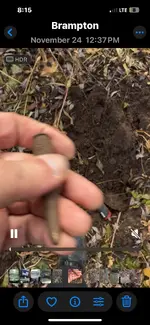
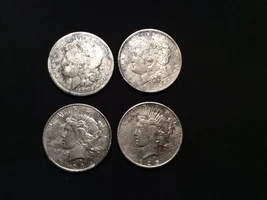
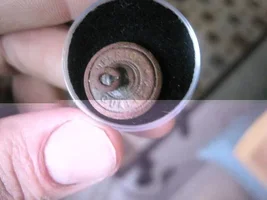
Ok, those finds are from Nov24 & 29th, ‘25: one hopefully not live bullet from one site and another spent from another and old belt buckle.

metalman2024

Sr. Member
Joined
Oct 28, 2024
Messages
355
Reaction score
799
Golden Thread
0
Location
GTA, Ontario
Detector(s) used
Whites GMT
Nokta The Legend
Minelab Manticore
Fisher F-Pulse pinpointer
Primary Interest:
Metal Detecting
My finds.
 

Attachments

  • IMG_0646.webp
    IMG_0646.webp
    2 MB · Views: 171
  • IMG_0651.mov
    5.5 MB
  • IMG_1245.webp
    IMG_1245.webp
    108.4 KB · Views: 125
Upvote 15
My finds.
I’ve heard immerse in oil (any oil?) to render powder inert. BTW the striking cap has fallen out over the years being in the ground. But still, I’m not sure if it is entirely safe to handle.
 
I’ve heard immerse in oil (any oil?) to render powder inert. BTW the striking cap has fallen out over the years being in the ground. But still, I’m not sure if it is entirely safe to handle.

With the primer gone that powder has been wet for years. Can you shake the powder
out of the primer hole?

Personally, I would have no concerns about handling it.
 
With the primer gone that powder has been wet for years. Can you shake the powder
out of the primer hole?

Personally, I would have no concerns about handling it.
Thanks for the pacification.
 
I find live rounds all the time. I just grab the bullet with a set of pliers, another on the casing, and just twist the bullet out. Then dump the power out and recycle the brass. I don't worry about the primer. It's only powerful enough to ignite the gunpowder (which is now no longer there) It takes a pretty good hit on the primer to get it to pop. Simple handling isn't going to do it. When was the last time you heard of someone getting hurt by handling ammunition? Yeah.....I can't think of a single time either.
 
With the primer gone that powder has been wet for years. Can you shake the powder
out of the primer hole?

Personally, I would have no concerns about handling it.
No, I couldn’t shake it out, I don’t hear it at all.
 
Many people worry that a small arms cartridge is going to unexpectedly “go off” for no reason and send the bullet flying as if it had been fired from a gun. This is not possible. A cartridge in the chamber of a gun is surrounded by strong metal on all sides. When the powder is ignited and creates expanding gas, the gas pushes the brass case in all directions but can’t expand the case because it is supported on all sides by the chamber. The gas can only escape by pushing the bullet out of the case and down the barrel. If the powder ignites while the cartridge is not inside the chamber of a gun, the gas will expand the case until it cracks and vents, usually without moving the bullet at all.
Many years ago I was hired by the National Park Service to do an archaeological survey of a WWII military base. I found a live .45 pistol cartridge lying on the ground and saw that it was rusty. Knowing that steel-cased .45 ammunition was made only in 1943, I thought it would be of significance and picked it up. The ranger who was accompanying me asked what I had found and in answer I dropped it into his outstretched hand. He placed it very, very gently on the ground, moved off to a safe distance and after screaming “NEVER EVER PICK UP LIVE ORDNANCE!!!” called the USN bomb squad. When they saw what he had called them for they left in disgust after telling him if he ever called them out again for a pistol cartridge they would send him a bill.
While the bullet will not “shoot” like out of a barrel, if a round goes off outside a chamber it can still cause problems. Man from back home (probably 80 years old now) lost an eye as a kid. Him and his brother were throwing some of his dad’s ww2 m1 ammo into a campfire. Piece of brass caught him in the eye.

All that said, a camp fire is a completely different situation than throwing a live round in your pocket or finds bag.
 
Many people worry that a small arms cartridge is going to unexpectedly “go off” for no reason and send the bullet flying as if it had been fired from a gun. This is not possible. A cartridge in the chamber of a gun is surrounded by strong metal on all sides. When the powder is ignited and creates expanding gas, the gas pushes the brass case in all directions but can’t expand the case because it is supported on all sides by the chamber. The gas can only escape by pushing the bullet out of the case and down the barrel. If the powder ignites while the cartridge is not inside the chamber of a gun, the gas will expand the case until it cracks and vents, usually without moving the bullet at all.
Many years ago I was hired by the National Park Service to do an archaeological survey of a WWII military base. I found a live .45 pistol cartridge lying on the ground and saw that it was rusty. Knowing that steel-cased .45 ammunition was made only in 1943, I thought it would be of significance and picked it up. The ranger who was accompanying me asked what I had found and in answer I dropped it into his outstretched hand. He placed it very, very gently on the ground, moved off to a safe distance and after screaming “NEVER EVER PICK UP LIVE ORDNANCE!!!” called the USN bomb squad. When they saw what he had called them for they left in disgust after telling him if he ever called them out again for a pistol cartridge they would send him a bill.
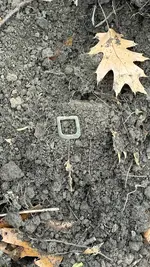
That’s hilarious, thought they placed him in jail. For making a mountain out of a mole hill, my bad as well, I didn’t know all the practicalities of ordinance safety. Now I can play my fear down thanks to all advice.
 
While the bullet will not “shoot” like out of a barrel, if a round goes off outside a chamber it can still cause problems. Man from back home (probably 80 years old now) lost an eye as a kid. Him and his brother were throwing some of his dad’s ww2 m1 ammo into a campfire. Piece of brass caught him in the eye.

All that said, a camp fire is a completely different situation than throwing a live round in your pocket or finds bag.
That’s terrible that happened. Children being rascals.
 

Users who are viewing this thread

Back
Top Bottom