What's new

One-of-a-kind eluvial placer deposit found in Colorado with a metal detector.

Steve Wagy

Jr. Member
Joined
Apr 10, 2026
Messages
30
Reaction score
53
Golden Thread
0
Hello everyone. I search for native gold and silver in the Central Colorado volcanic field and one day my metal detector went wild. I didn't find an eluvial placer deposit that contained precious metal. I found a deposit that has never been seen before. Over 160 native (natural) aluminum, brass, copper alloy, iron and zinc nuggets were found - the rarest of the rare. I've cleaned up most of the nuggets. The first image is a native aluminum nugget:
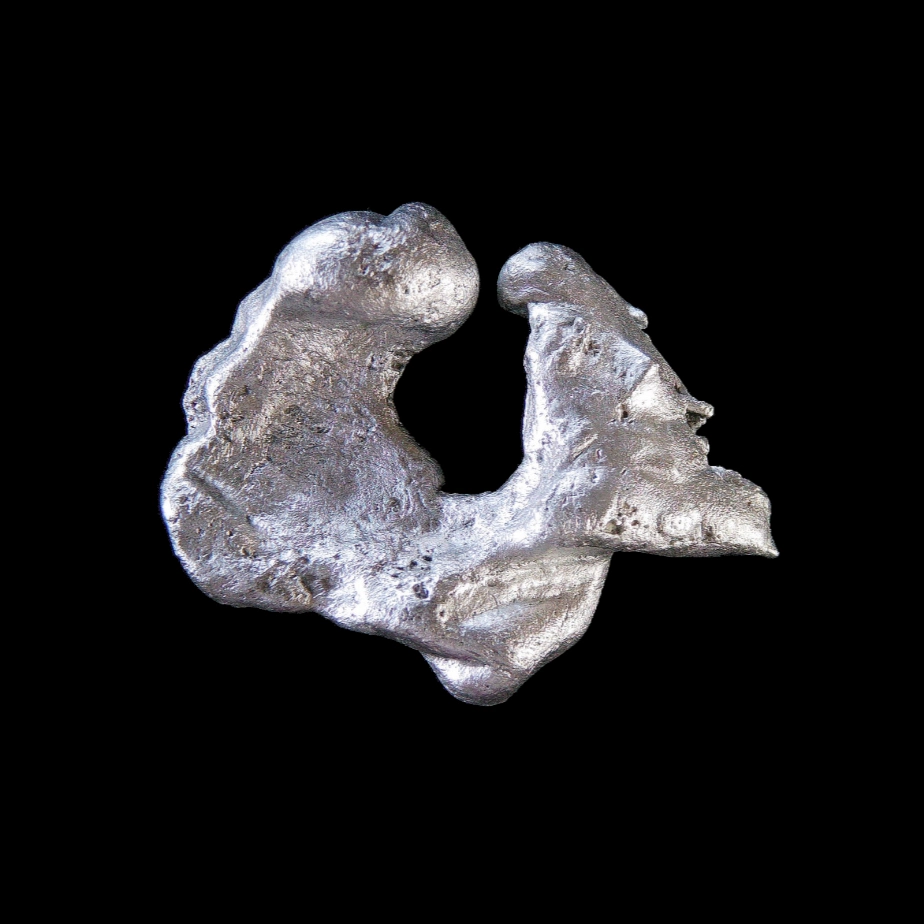
5-1.webp

The second image is a native zinc nugget:
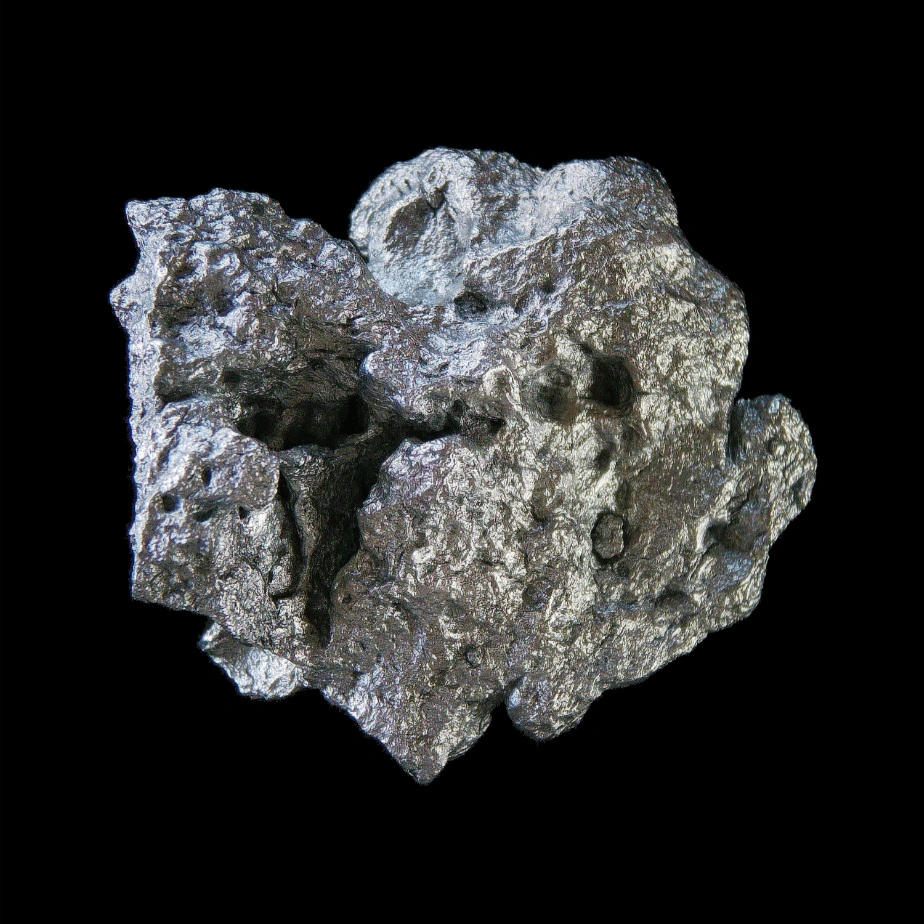
6-1.webp

The third image is a native brass nugget:
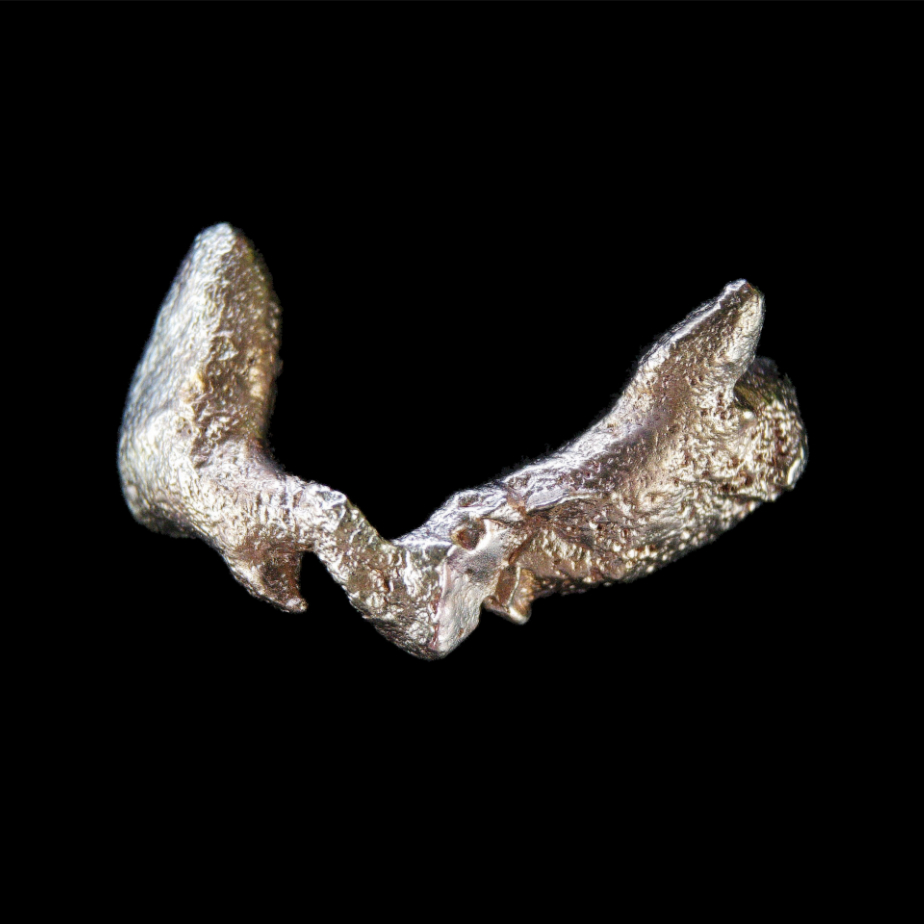
134-1.webp

The fourth image is a unique copper alloy nugget:
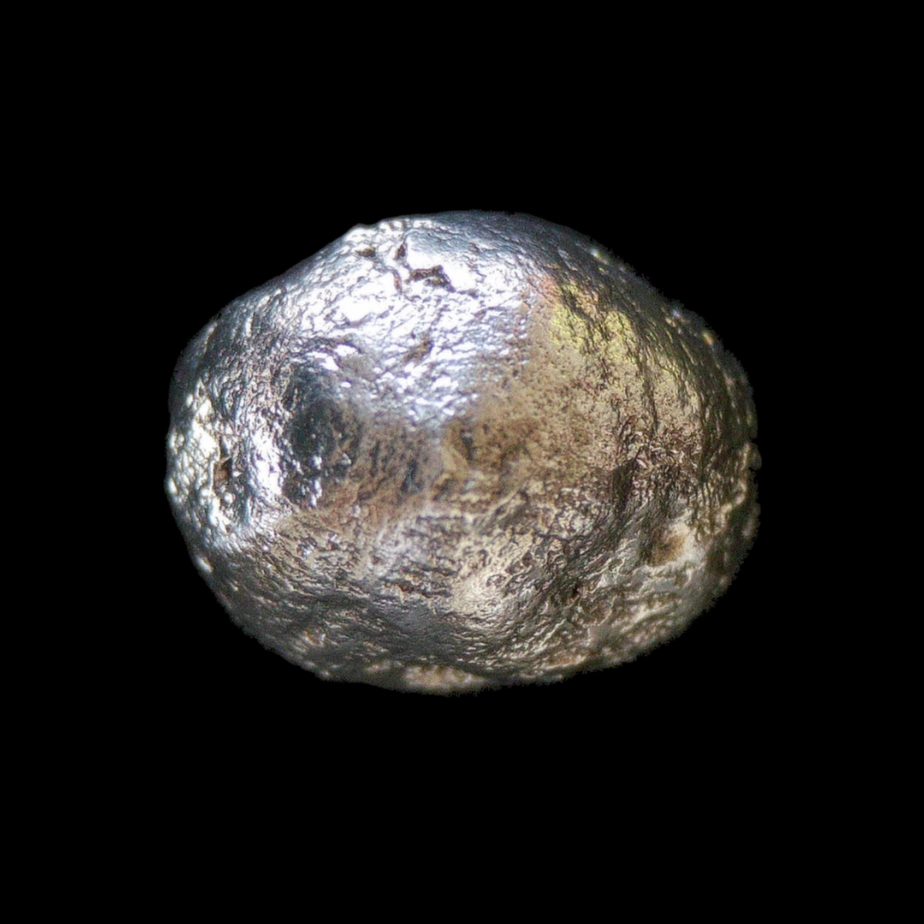
22-1.webp

The fifth image is what could be a native bronze nugget (it will be analyzed by XRF in the future):
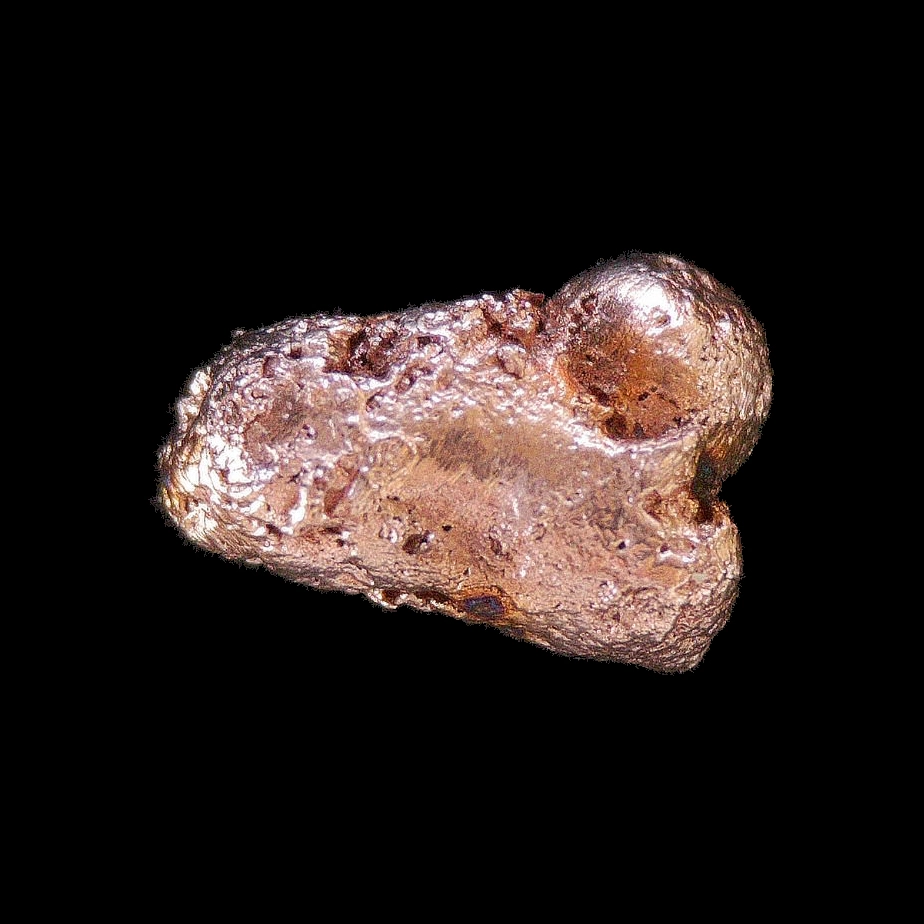
162-1.webp

The sixth image is the ONLY known native iron nugget ever found (NOT Telluric) and is embedded in volcanic glass (still magnetic!!!):
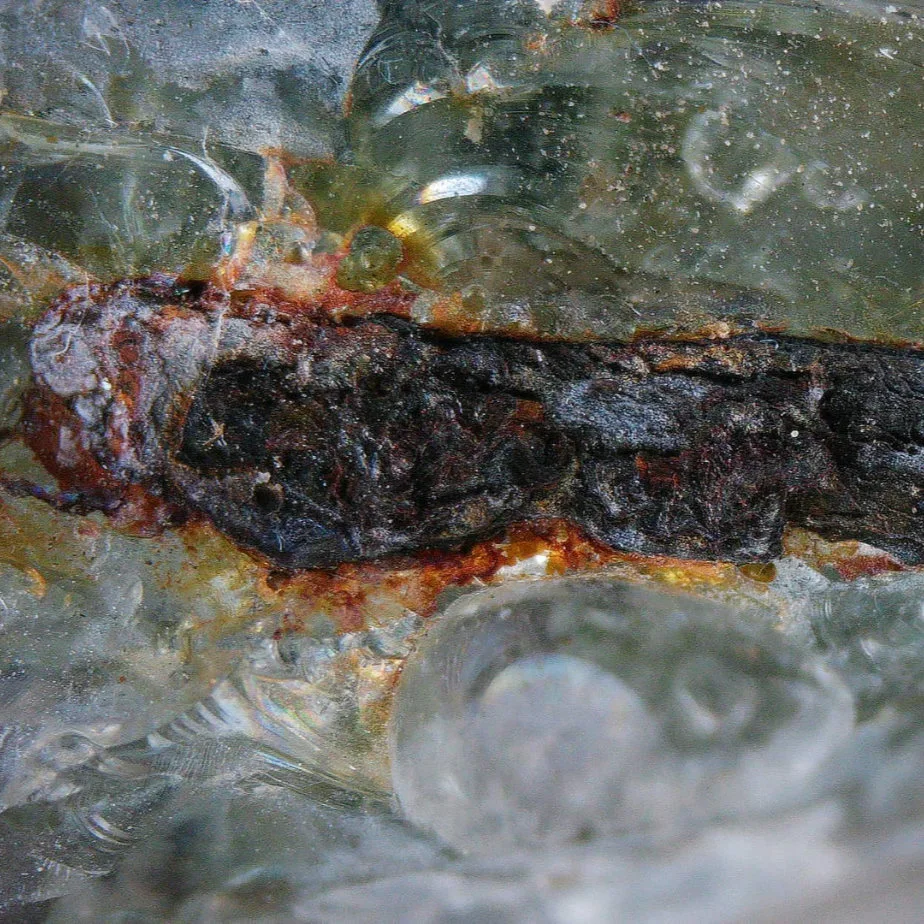
1-4.webp

31 nuggets have been analyzed by XRF and the largest aluminum nugget has been Certified by XRF. 20 more will be analyzed in May. I made the find with a DR.ÖTEK metal detector and have continued to find metal with a Minelab Equinox 900 metal detector. You can read all about the find at https://www.raremineralsforsale.com/.
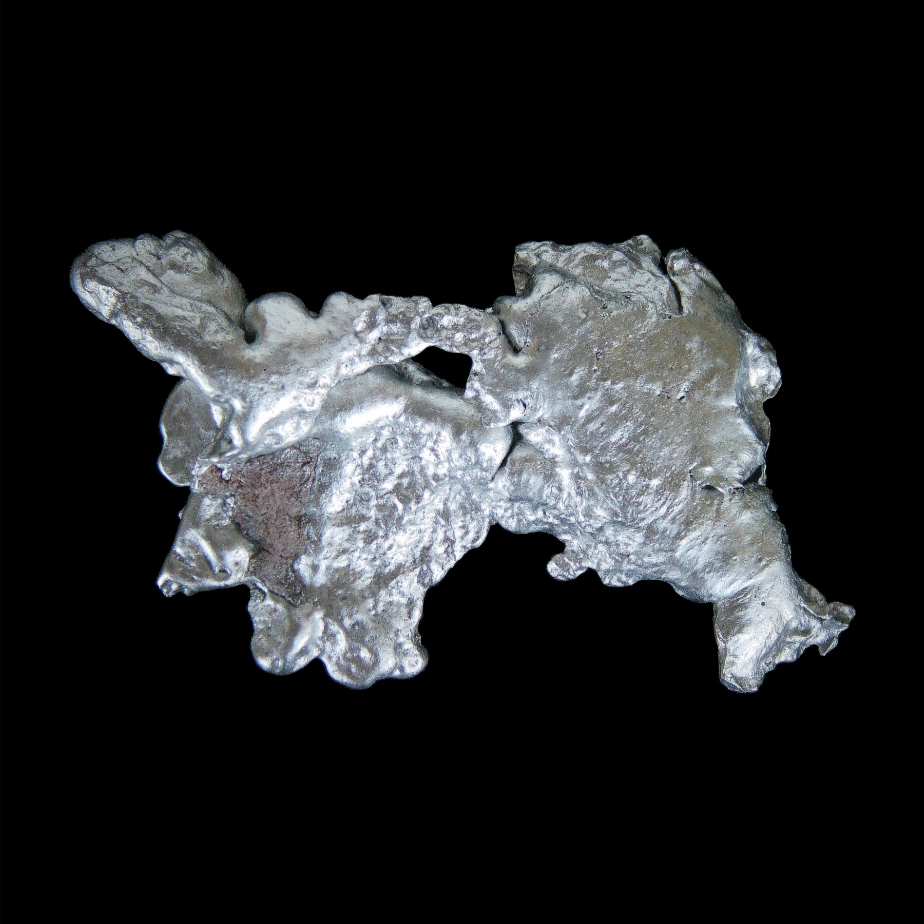
31-1.webp

The 818 gram native aluminum nugget. An unofficial world record. Massive for any native metal nugget.
 
Last edited:
I think you've found a very hot fire pit!

Aluminum as well as some of these others doesn't occur naturally.
"Aluminum as well as some of these others doesn't occur naturally." Yes it does. It's just extremely rare. Check out the XRF's. No one sells aluminum containing elements like Ti, Pd and Ta and the XRF's are all very different. I'm also excavating at the 35 million year level at a very steep and remote location. Look at the images for the find at https://www.raremineralsforsale.com/the-find.php like the one below:
slide-show-15.webp

Never say never. There is a first for everything.
 
Upvote 0
"Aluminum as well as some of these others doesn't occur naturally." Yes it does. It's just extremely rare. Check out the XRF's. No one sells aluminum containing elements like Ti, Pd and Ta and the XRF's are all very different. I'm also excavating at the 35 million year level at a very steep and remote location. Look at the images for the find at https://www.raremineralsforsale.com/the-find.php like the one below: View attachment 2252034
Never say never. There is a first for everything.
Well it's apparent you know more then all the geologists in the business.

As for me I will side with the geologists.

I also think you're trying to sell "firepit" nuggets for outrageous prices.
 
Upvote 0
Well it's apparent you know more then all the geologists in the business.

As for me I will side with the geologists.

I also think you're trying to sell "firepit" nuggets for outrageous prices.
I don't appreciate the comment and you don't speak for all the geologists in the business. You are incorrect. Most of the nuggets were found in the natural position and clearly have a top and bottom, head and tail. No one could ever stew up this many variations in chemistry. The Hf alone is amazing. You're just coming to a pessimistic conclusion without looking at all the data in the website. Not cool dude.
 
Upvote 0
Do you think I faked volcanic glass as well?
volcanic-glass.webp

You don't stew these up in a fire pit. There is carbonaceous material embedded in some of the glass. You challenge things with science -> data. Just because it hasn't been found before doesn't make a spec of difference. That's just reciting probability.
 
Upvote 0
boy oh boy it gets deep , sometimes it is better to check google or Wikipedia
 
Upvote 0
boy oh boy it gets deep , sometimes it is better to check google or Wikipedia
Let's keep it scientific bc. I'm not going to tolerate being called or being suggested a fraud. I am not and this is a real placer deposit. FYI, here is a Wikipedia link https://commons.wikimedia.org/wiki/File:Native_aluminium.jpg ... "Native aluminum is one of the rarest native elements that can be found in a mineral collection." Just because it hasn't been found before doesn't mean it can't be found and in this case it does already exist. I also live in the middle of a volcanic region well known for metal. Cripple Creek is just down the road. The XRF analyses tell us what these are and believe me I was hoping for silver. Tons of silver and gold has been mined in the area. All the XRF links are on the home page and are downloadable. Every XRF is unique like a fingerprint. You can tell by looking at the percentages of elements that there is no way a human could forge these and they most certainly wouldn't have the level of corrosion present. 27 elements (excluding light elements) in the XRF's: Al, Zn, W, Si, Cu, Fe, Cr, Hf, P, Mn, Sb, K, Pb, Ni, Ca, Sn, Ti, Cd, S, Cl, Bi, Zr, Pd, V, Ta, Mg, Rh. We don't sell lead in our beer cans. If anyone has a question about the XRF's or the find please ask but do not tell me stuff like this: "boy oh boy it gets deep". You know what your are suggesting. There are forum rules and they are posted above.
 
Upvote 0
Probably an ignorant question, but one that comes out of a place of genuine curiosity from someone interested in metals. How do alloys like the brass or bronze you found come to be formed naturally? I was always under the impression that these alloys required human intervention since they aren't on the periodic table.

To be clear, I am not trying to cast doubt on your find.
 
Upvote 0
Probably an ignorant question, but one that comes out of a place of genuine curiosity from someone interested in metals. How do alloys like the brass or bronze you found come to be formed naturally? I was always under the impression that these alloys required human intervention since they aren't on the periodic table.

To be clear, I am not trying to cast doubt on your find.
The periodic table is just for elements but I think this is a good question. I'm a chemist/prospector and not a vulcanologist so I don't understand the physics of metal ejecting out of a volcano but I'll give you my best answer: The area is well known for copper, uranium, molybdenum, etc and well as gold and silver. All kinds of good stuff. One aluminum nugget was found embedded in copper sulfate so there seemed to be a lot of copper in this deposit and of course I have also found native zinc, so we do have the components of brass. Now the XRF's in general suggest poor mixing of the metals once ejected. The largest aluminum nugget (ID 31) even has a slightly different analysis when you look at the first XRF compared the second Certified XRF (different locations on the nugget were shot) but there is obviously some alloying in the volcano or we wouldn't have native brass. There is tremendous heat and pressure in a volcano so a little metal was apparently alloyed. I noticed there is a redder-looking bronze manufactured and I do have two redder-looking copper alloy nuggets but I'm reserving judgement until I get an XRF on the larger one, but, check out the XRF for copper alloy nugget ID 22. That is an alloy with primarily Cu, K, Sn, Ca, Mg and Hf (note the highly reactive metals K and Ca). How this all happened is just mother nature and I'm going to make an assumption that the study of metal ejecting from a volcano is poorly understood.
 
Upvote 0
Let's keep it scientific bc. I'm not going to tolerate being called or being suggested a fraud. I am not and this is a real placer deposit. FYI, here is a Wikipedia link https://commons.wikimedia.org/wiki/File:Native_aluminium.jpg ... "Native aluminum is one of the rarest native elements that can be found in a mineral collection." Just because it hasn't been found before doesn't mean it can't be found and in this case it does already exist. I also live in the middle of a volcanic region well known for metal. Cripple Creek is just down the road. The XRF analyses tell us what these are and believe me I was hoping for silver. Tons of silver and gold has been mined in the area. All the XRF links are on the home page and are downloadable. Every XRF is unique like a fingerprint. You can tell by looking at the percentages of elements that there is no way a human could forge these and they most certainly wouldn't have the level of corrosion present. 27 elements (excluding light elements) in the XRF's: Al, Zn, W, Si, Cu, Fe, Cr, Hf, P, Mn, Sb, K, Pb, Ni, Ca, Sn, Ti, Cd, S, Cl, Bi, Zr, Pd, V, Ta, Mg, Rh. We don't sell lead in our beer cans. If anyone has a question about the XRF's or the find please ask but do not tell me stuff like this: "boy oh boy it gets deep". You know what your are suggesting. There are forum rules and they are posted above.
While aluminum is the most abundant metal in the Earth's crust (about 8%), naturally occurring, pure aluminum nuggets do not exist in any practical or geological sense. Aluminum is highly reactive and almost always found bound to other elements—such as oxygen, silicon, and fluorine—in minerals and rocks.
Here are the key points regarding "native" aluminum:Extremely Rare Exceptions: Native aluminum has been found in extremely rare cases, such as microscopic flakes inside specific volcanoes or rare geological environments in Bulgaria, but these are not nuggets.
"Nuggets" are Usually Man-Made: Nearly all shiny, metallic aluminum nuggets found by metal detectors or on beaches are the result of humans melting items like soda cans or aluminum foil in campfires, which then solidify into lumps.
Aluminum Ore (Bauxite): Instead of nuggets, aluminum is extracted from bauxite ore, which looks more like reddish-brown or yellowish clay/soil.
Why No Nuggets? Because aluminum is so highly reactive, it binds to oxygen immediately when exposed, forming aluminum oxides and hydroxides rather than remaining as a pure metal.

NOTE TO READERS JUST GOOGLE IT.
FINE FLACKS IN Bulgaria.
 
Upvote 0
Probably an ignorant question, but one that comes out of a place of genuine curiosity from someone interested in metals. How do alloys like the brass or bronze you found come to be formed naturally? I was always under the impression that these alloys required human intervention since they aren't on the periodic table.

To be clear, I am not trying to cast doubt on your find.
It's man made.
Brass and bronze do not occur naturally as metallic "nuggets" or in ready-to-use forms because they are alloys—mixtures of different metals created through human intervention.While the individual components like copper can be found in a pure "native" state, the process of combining them into brass or bronze typically requires intentional smelting.Brass (Copper + Zinc)Formation: Traditionally made by combining copper with zinc."Natural" Brass: In ancient times, some "natural alloys" may have been accidentally produced by smelting copper ores that were naturally rich in zinc minerals.
 
Upvote 0
While aluminum is the most abundant metal in the Earth's crust (about 8%), naturally occurring, pure aluminum nuggets do not exist in any practical or geological sense. Aluminum is highly reactive and almost always found bound to other elements—such as oxygen, silicon, and fluorine—in minerals and rocks.
Here are the key points regarding "native" aluminum:Extremely Rare Exceptions: Native aluminum has been found in extremely rare cases, such as microscopic flakes inside specific volcanoes or rare geological environments in Bulgaria, but these are not nuggets.
"Nuggets" are Usually Man-Made: Nearly all shiny, metallic aluminum nuggets found by metal detectors or on beaches are the result of humans melting items like soda cans or aluminum foil in campfires, which then solidify into lumps.
Aluminum Ore (Bauxite): Instead of nuggets, aluminum is extracted from bauxite ore, which looks more like reddish-brown or yellowish clay/soil.
Why No Nuggets? Because aluminum is so highly reactive, it binds to oxygen immediately when exposed, forming aluminum oxides and hydroxides rather than remaining as a pure metal.

NOTE TO READERS JUST GOOGLE IT.
FINE FLACKS IN Bulgaria.
That doesn't explain all the elements present. We don't sell those metals in beer cans. Period. The XRF's tell us what they are. Data is data dude. Look, we were in caves 2000 years ago. Actual science just got going a few hundred years ago. Why do you think we've seen or found it all or we know all there is to know? You are just quoting was is currently known about native aluminum. Big deal. These nuggets were sealed and protected quite well from the environment due to the extensive corrosion (heavy duty coating) and I have PLENTY of UNCLEANED specimens for examination. I will donate uncleaned native aluminum and zinc nuggets to a university for study. I just haven't posted the offer on the website. Don't bet against this. These are quite real. The deposit is over 50 yards in diameter and is extremely steep and remote. No campfires. The XRF's were done by someone well known in the industry and he calibrates his instrument before every batch analyses. So I'd like to ask that everyone study the XRF's and the images of uncleaned nuggets and quit posting current internet info on native aluminum. I can read and it's clear that this deposit is real. It's simply never been seen before. That's the cool thing about the find. It's unique. For all the negative people who refuse to read the analyses, get over it.
 
Upvote 0
It's man made.
Brass and bronze do not occur naturally as metallic "nuggets" or in ready-to-use forms because they are alloys—mixtures of different metals created through human intervention.While the individual components like copper can be found in a pure "native" state, the process of combining them into brass or bronze typically requires intentional smelting.Brass (Copper + Zinc)Formation: Traditionally made by combining copper with zinc."Natural" Brass: In ancient times, some "natural alloys" may have been accidentally produced by smelting copper ores that were naturally rich in zinc minerals.
No they are not. You are 100% incorrect. Any vulcanologist can see these are real. Again, why all Wikipedia entries? You would have to look at the XRF's and the UNCLEANED images and tell us scientifically why they look like fakes and no one has done this. No one could fake these mixtures. That's ridiculous too suggest.
 
Upvote 0
That little blurb doesn't mean a thing and I don't mind being questioned or challenged. No one has questioned or challenged the XRF's or the images. A challenge with data is fine yet no one has looked at the data on my website and has come back saying it's not real. I only have a handful of people who looked at the cleaned nuggets on this post and recite Wikipedia data. That's not questioning my data accurately. Plus, do you think the XRF's are a lie? If so, go away. No need for this. It's also against forum rules. I am a supporting vendor so step off. If you and pepperj have something constructive to say about the analyses then do so. This goes for everyone. So far no one can tell me how Copper Alloy Nugget ID 22 could be man-made, as an example. That would be an impossibility. You toss elemental K or Ca into molten Cu and it'll probably blow your head off. You two guys are obviously not chemists. I also went to great lengths to take close up high resolution images with a digital microscope. No one could reproduce the complex shapes. Get real.
 
Upvote 0
It's man made.
Brass and bronze do not occur naturally as metallic "nuggets" or in ready-to-use forms because they are alloys—mixtures of different metals created through human intervention.While the individual components like copper can be found in a pure "native" state, the process of combining them into brass or bronze typically requires intentional smelting.Brass (Copper + Zinc)Formation: Traditionally made by combining copper with zinc."Natural" Brass: In ancient times, some "natural alloys" may have been accidentally produced by smelting copper ores that were naturally rich in zinc minerals.
I guess I'm most intrigued by the bronze, because of the necessity of tin to create it. Cassiterite (tin ore) is quite rare in North America. It can only combine with copper to create bronze once it has been crushed and subsequently heated to burn off the oxygen.
 
Upvote 0
No they are not. You are 100% incorrect. Any vulcanologist can see these are real. Again, why all Wikipedia entries? You would have to look at the XRF's and the UNCLEANED images and tell us scientifically why they look like fakes and no one has done this. No one could fake these mixtures. That's ridiculous too suggest.
So you are the 1st person on the planet that has recovered aluminum nuggets, brass nuggets, bronze nuggets, and a copper nuggets that looks like it was poured out of a crucible.
👏 Amazing 👏
Why isn't these recoveries in science digest or some other publications?
 
Upvote 0

Users who are viewing this thread

Latest Discussions

Back
Top Bottom