Find these XRF reports fascinating to the point where I needed to ask questions to a higher intelligence for an answer.
Reasons being, I have bought and sold 1000's of tons of aluminum in my life career as a non-ferrous scrap metal dealer. I've seen hundreds of XRF readings from the mid 1980's to today.
Back in the late 80's early 90's they'd still melt a sample into a button then analyzed that button.
XRF readings are accurate no less but only penetrates the surface 1-5mm on aluminum. Yet they give a true reading of that surface.
Aluminum has 7 categories
1000-7000 series. In those series there was if I remember correctly around
400 unique wrought alloys categories of different mixtures of the 7.
NOTE TO READERS:
These answers are all answered by an higher intelligence and are for reference only. It's a copy/paste of what was said.
Based on the XRF lab test results you provided, there are significant geological and technical reasons to be highly skeptical of these being "natural" aluminum nuggets.
Analysis of the XRF Results
The XRF data confirms that these samples are primarily composed of Aluminum (Al), often ranging from 50% to over 90%. However, the specific elemental "fingerprint" strongly suggests industrial origin rather than a natural geological formation:
- Elemental Mix (Al-Zn-Cu-Fe): Many samples show high concentrations of Zinc (Zn), Copper (Cu), and Iron (Fe) alongside the Aluminum. This is a classic signature of recycled aluminum alloys (like the 6000 or 7000 series used in manufacturing and cans) rather than "native" aluminum.
- Presence of LE (Light Elements): Several samples show a high percentage of "LE" (Light Elements like Carbon, Oxygen, etc.). This often indicates oxidation or the presence of non-metallic impurities common in industrial slagor melted waste.
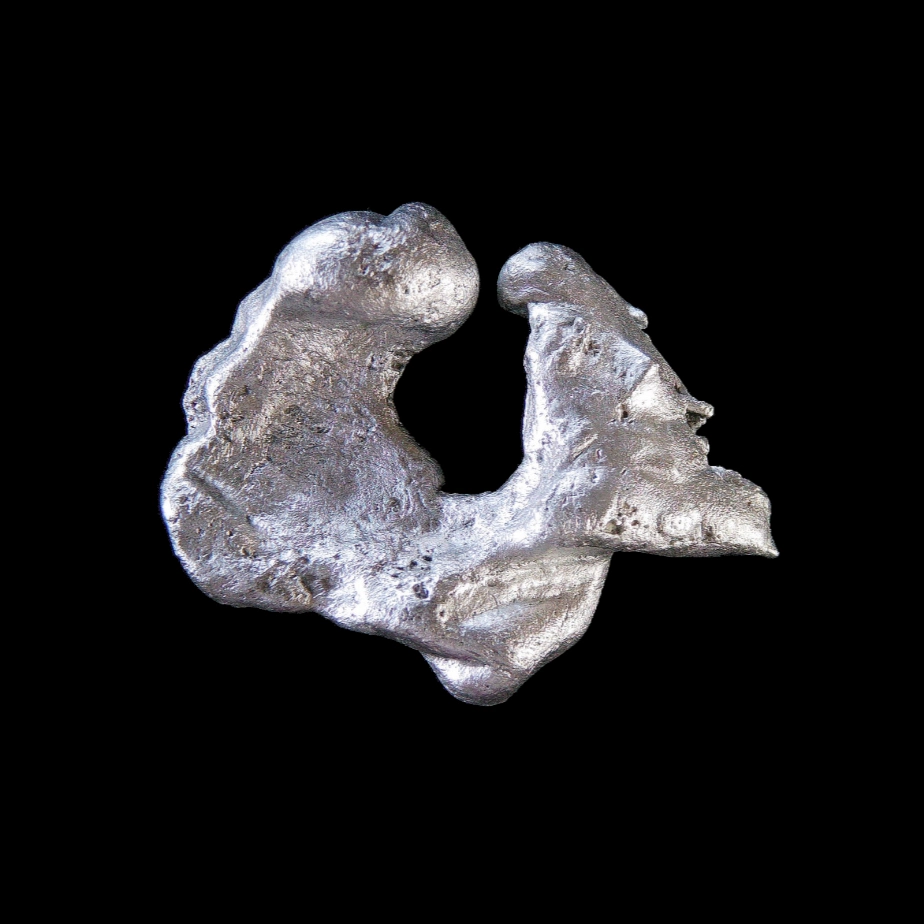
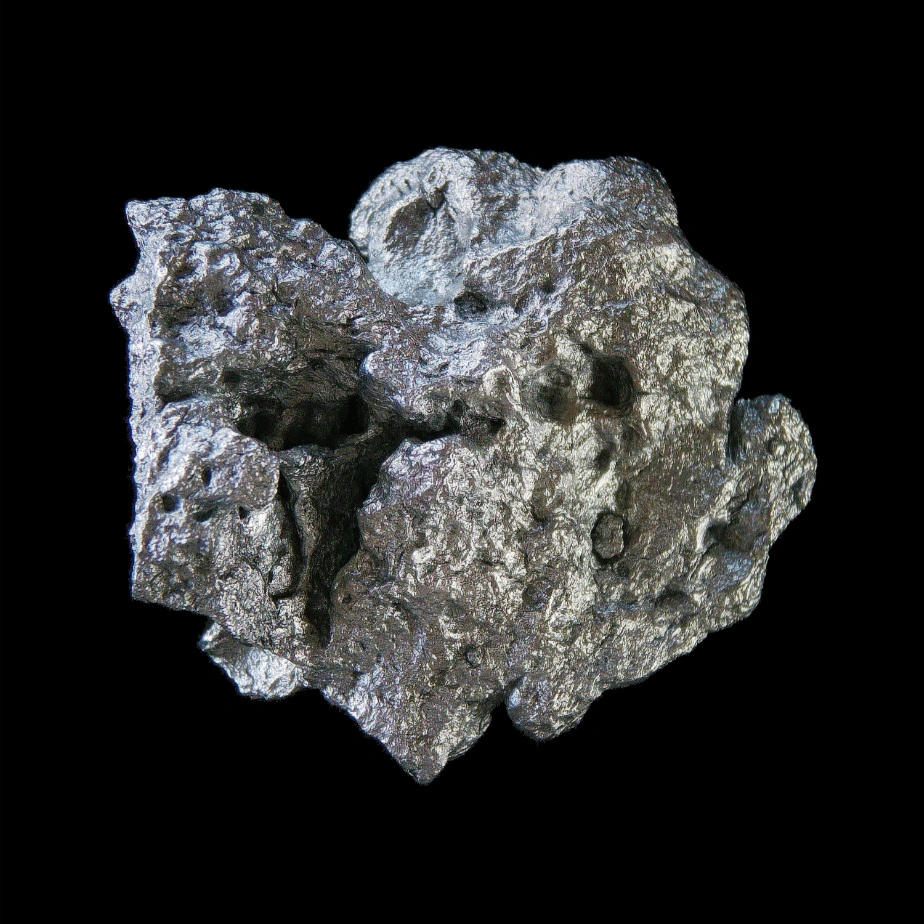
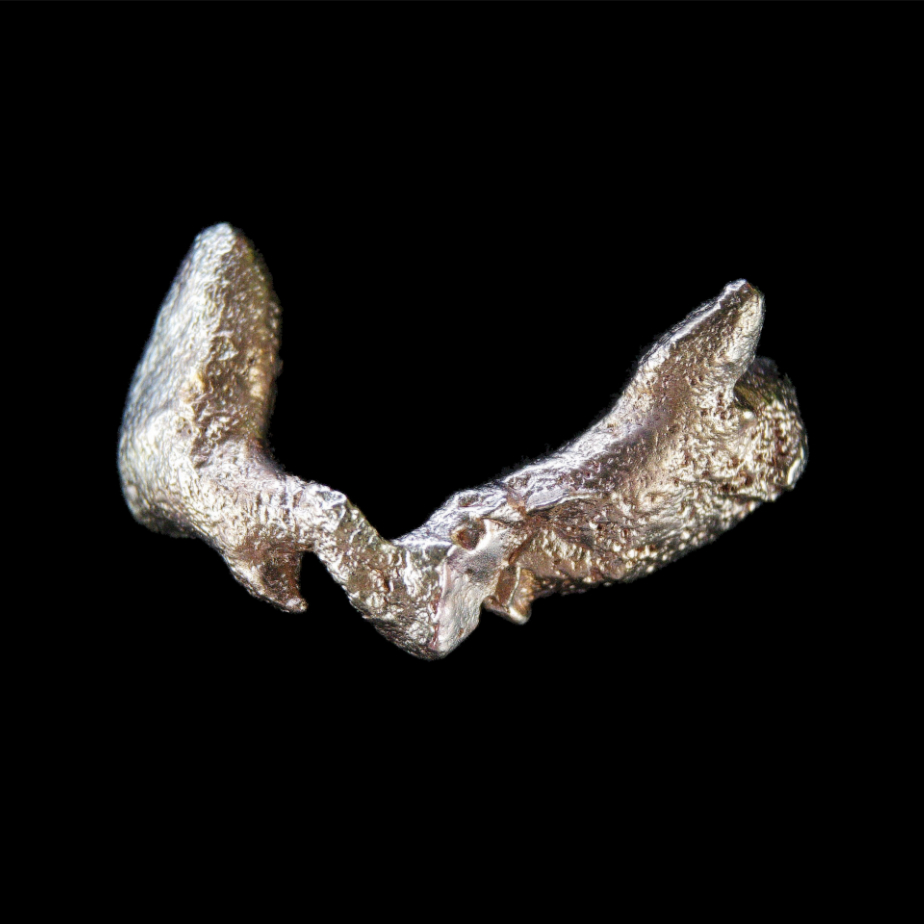
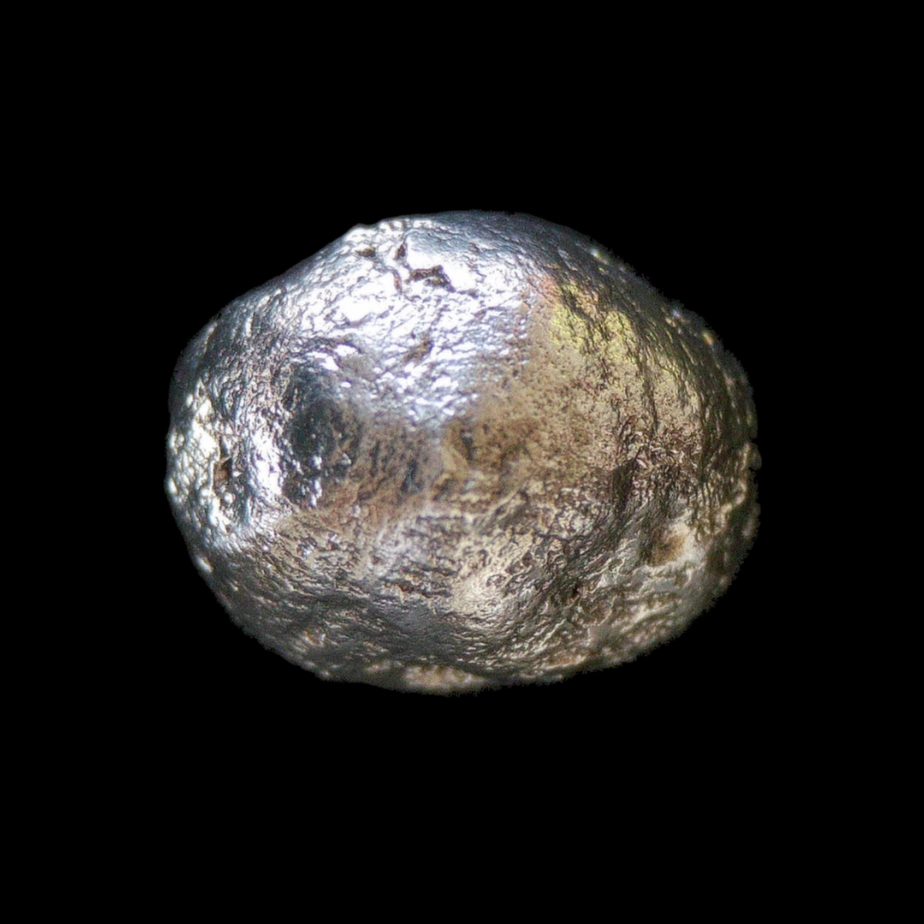
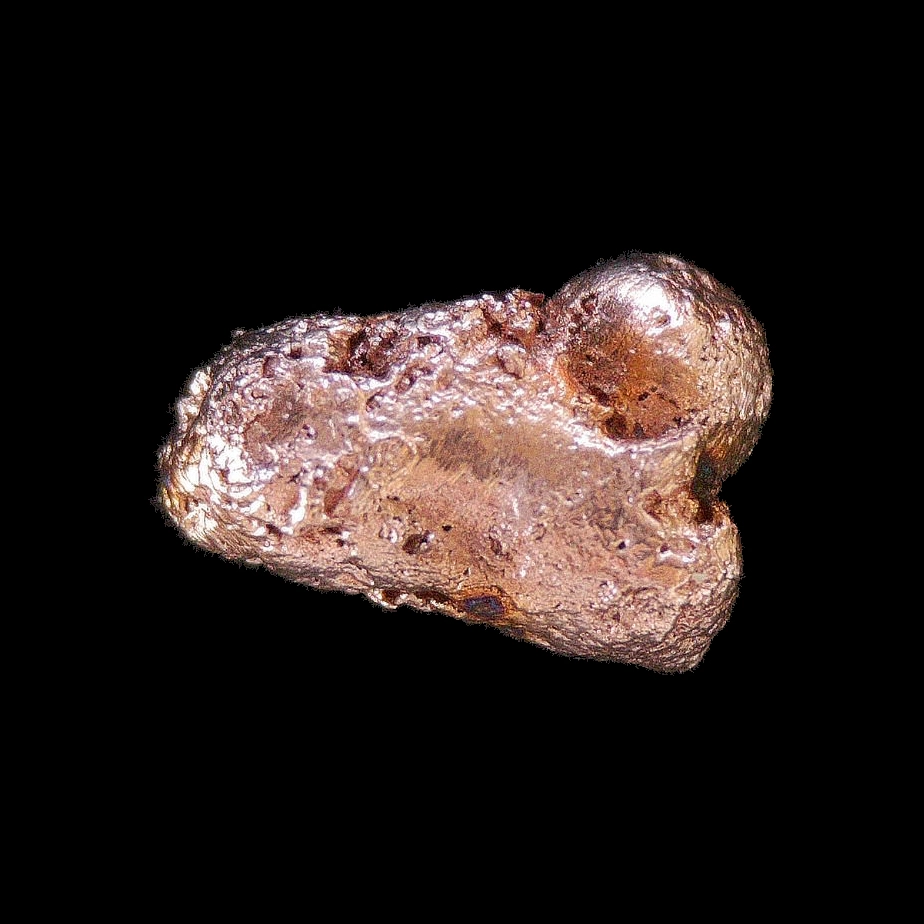
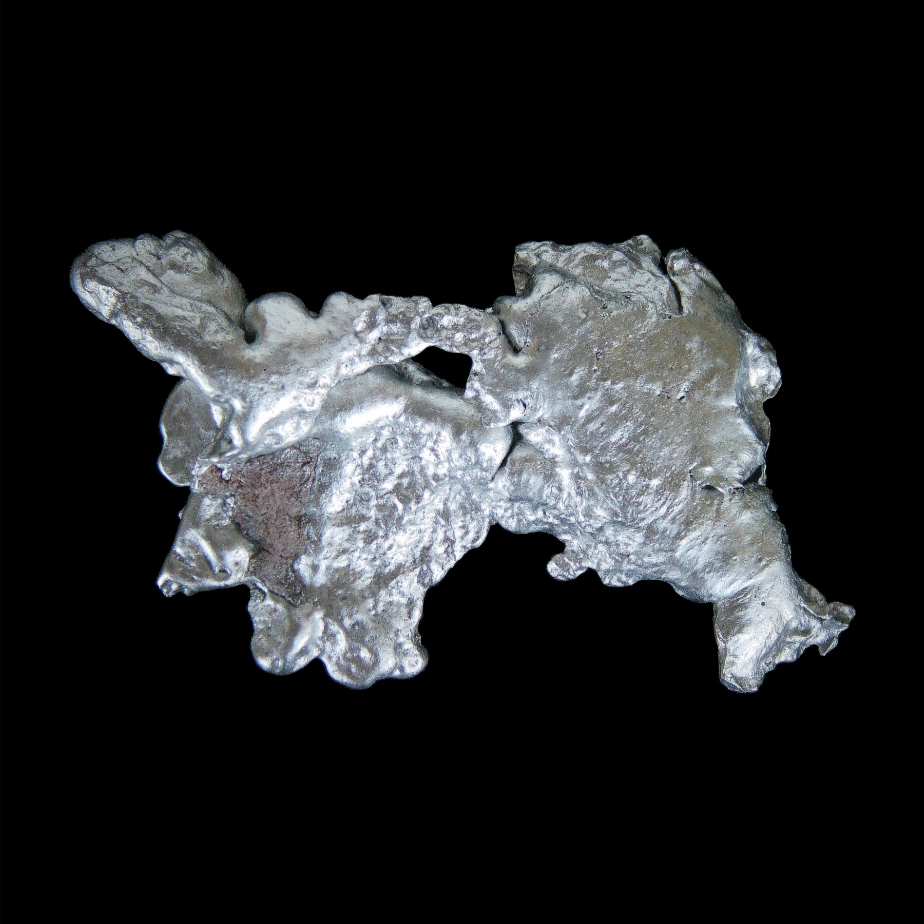
- Visual Appearance: Looking at the photos in the report (Samples 2, 5, 10, 18), the shapes are "globular" and "ropy". This is the typical appearance of molten metal that has been poured onto a surface or into water—effectively "backyard" or industrial melt-offs.
Why This Points to a Scam
While the lab test itself might be real (meaning a machine actually scanned these pieces), the interpretation that these are "natural nuggets" is where the scam lies.
- Native Aluminum doesn't look like this: Natural native aluminum is almost exclusively found as microscopic grains. Finding twenty "nuggets" of this size in one location is geologically impossible by current scientific understanding.
- The "Rare Minerals" Website: The site you linked is widely discussed in rockhounding and geology communities as a source of misidentified industrial byproduct (slag). They use legitimate-looking XRF reports to "prove" the metal content, but the metal content itself is exactly what you'd find if you melted down old car parts or soda cans.
Summary
These are almost certainly man-made aluminum melt-offs, not rare natural treasures. They have zero value to mineral collectors and are worth only their weight in scrap metal.
Would you like help finding a reputable mineral dealer or a guide on how to identify natural native metals?
On the scale of 1-100 are the nuggets a man made aluminum mixture
On a scale of 1 to 100, the probability that these nuggets are a
man-made aluminum mixture (industrial slag) is
99.
Conversely, the probability that they are "true natural nuggets" is
less than 1. Here is why the data points so overwhelmingly toward them being man-made:
1. Geological Impossibility
Aluminum is the most abundant metal in the Earth's crust, but it is
never found in its pure state in nature under normal conditions. It binds almost instantly with oxygen to form minerals like bauxite. Verified "native aluminum" exists only as microscopic specks in extreme environments, like volcanic pipes or deep-sea vents. A 400g or 800g nugget of native aluminum has
never been scientifically documented in the history of mineralogy.
2. The "Alloy" Fingerprint (XRF Evidence)
The XRF report you shared shows a mixture of aluminum with significant amounts of
zinc, copper, and iron. This is not a "natural" signature; it is the exact chemical recipe for
commercial aluminum alloys (like the 6000 or 7000 series used in auto parts and structural beams).
- Natural native metals (like gold or silver) usually contain specific trace elements like tellurium or mercury.
- These samples contain the specific additives used by factories to make aluminum stronger.
3. Visual Characteristics of "Slag"
The "globular" and "melted" look of the items in the photos is a textbook example of
aluminum slag.
- Origin: This material is created when aluminum is melted down (e.g., in a house fire, an industrial accident, or backyard smelting) and poured onto the ground or into water.
- Commonality: Collectors often find these with metal detectors on beaches or near old industrial sites and mistake them for rare minerals.
4. Expert Consensus
In the mineralogy and geology communities, the site Rare Minerals For Sale is widely recognized as a
scam operation. They sell common industrial waste (worth roughly $1–$2 per pound as scrap) for hundreds of dollars by attaching "official-looking" technical reports that most buyers don't know how to interpret.