What's new

One-of-a-kind eluvial placer deposit found in Colorado with a metal detector.

Steve Wagy

Jr. Member
Joined
Apr 10, 2026
Messages
30
Reaction score
53
Golden Thread
0
Hello everyone. I search for native gold and silver in the Central Colorado volcanic field and one day my metal detector went wild. I didn't find an eluvial placer deposit that contained precious metal. I found a deposit that has never been seen before. Over 160 native (natural) aluminum, brass, copper alloy, iron and zinc nuggets were found - the rarest of the rare. I've cleaned up most of the nuggets. The first image is a native aluminum nugget:
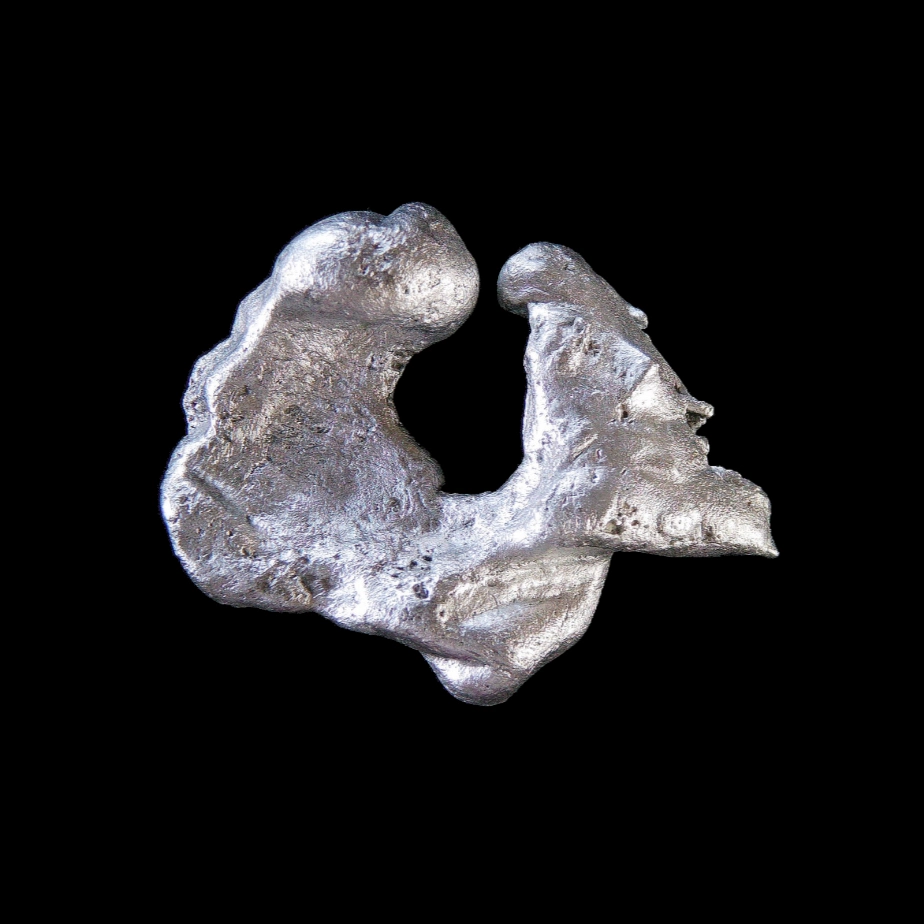
5-1.webp

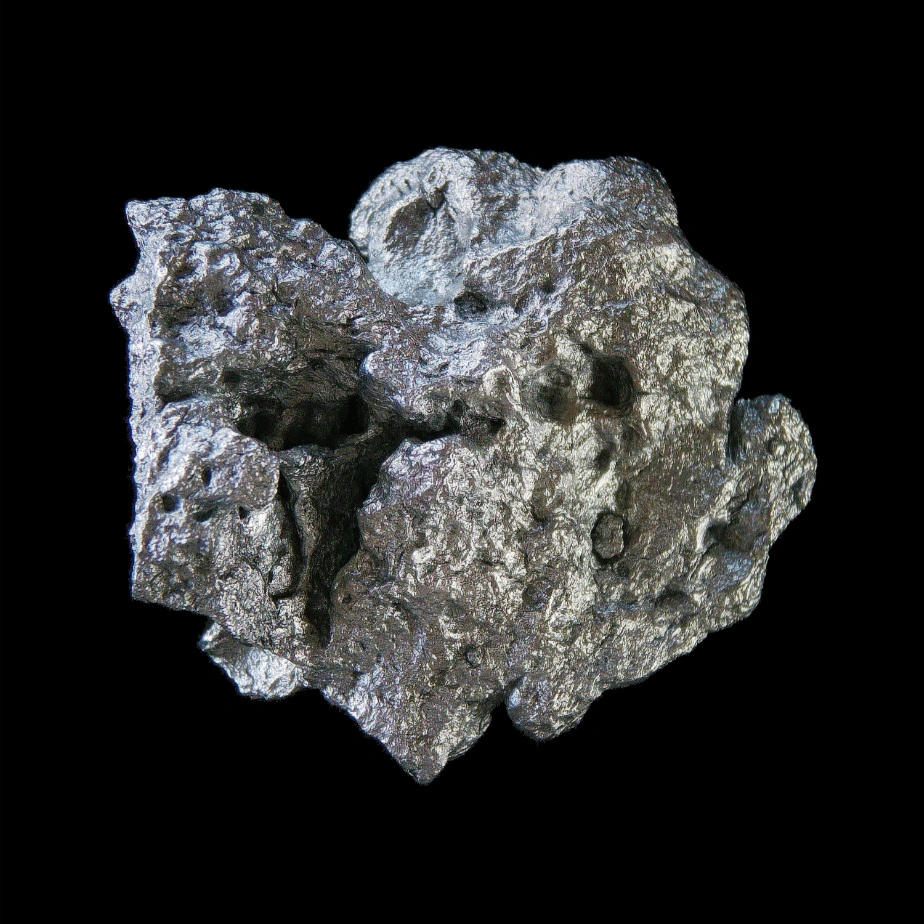
The second image is a native zinc nugget:
6-1.webp

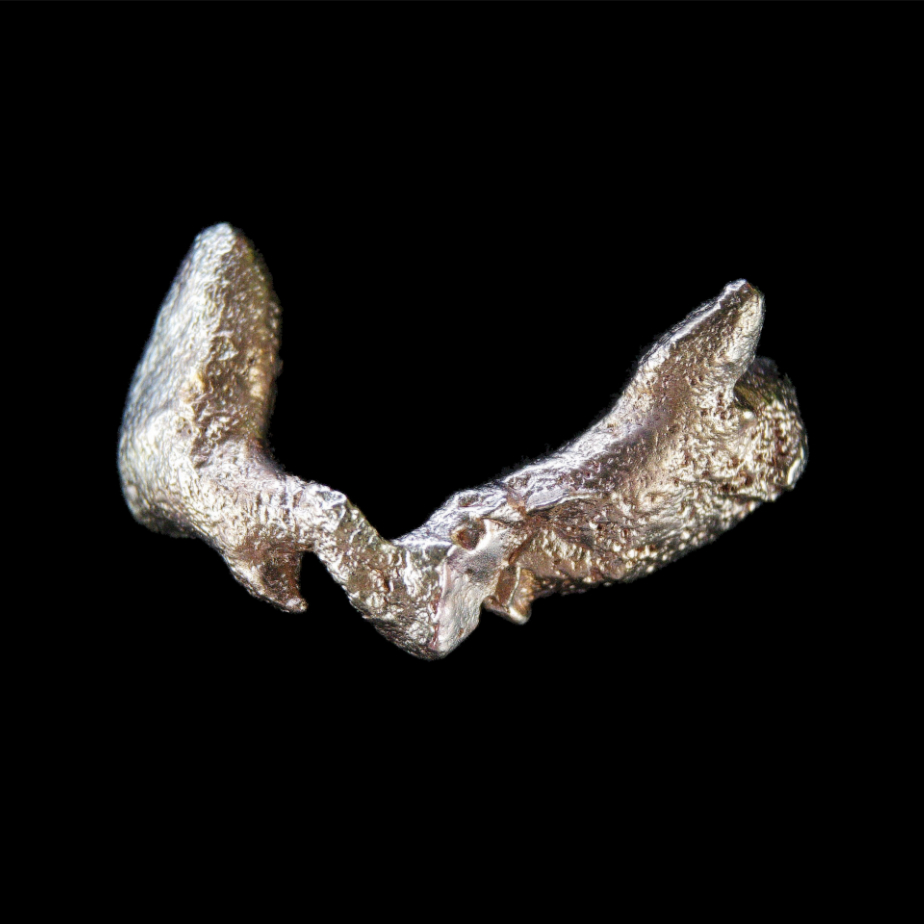
The third image is a native brass nugget:
134-1.webp

The fourth image is a unique copper alloy nugget:
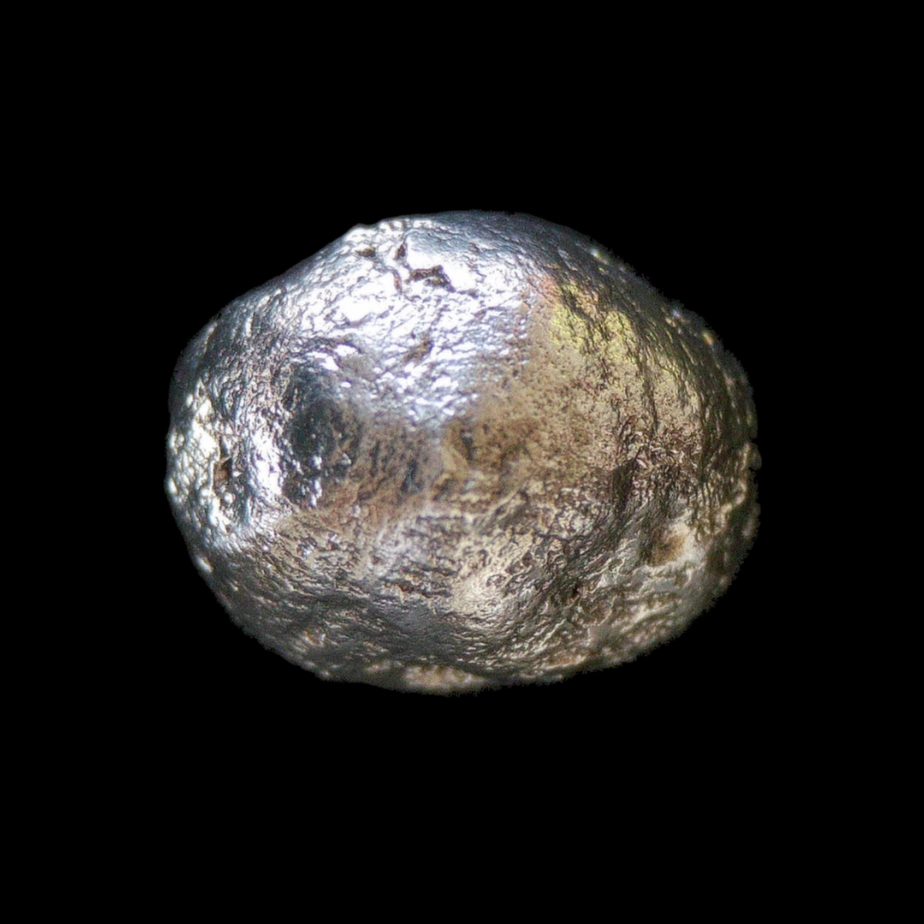
22-1.webp

The fifth image is what could be a native bronze nugget (it will be analyzed by XRF in the future):
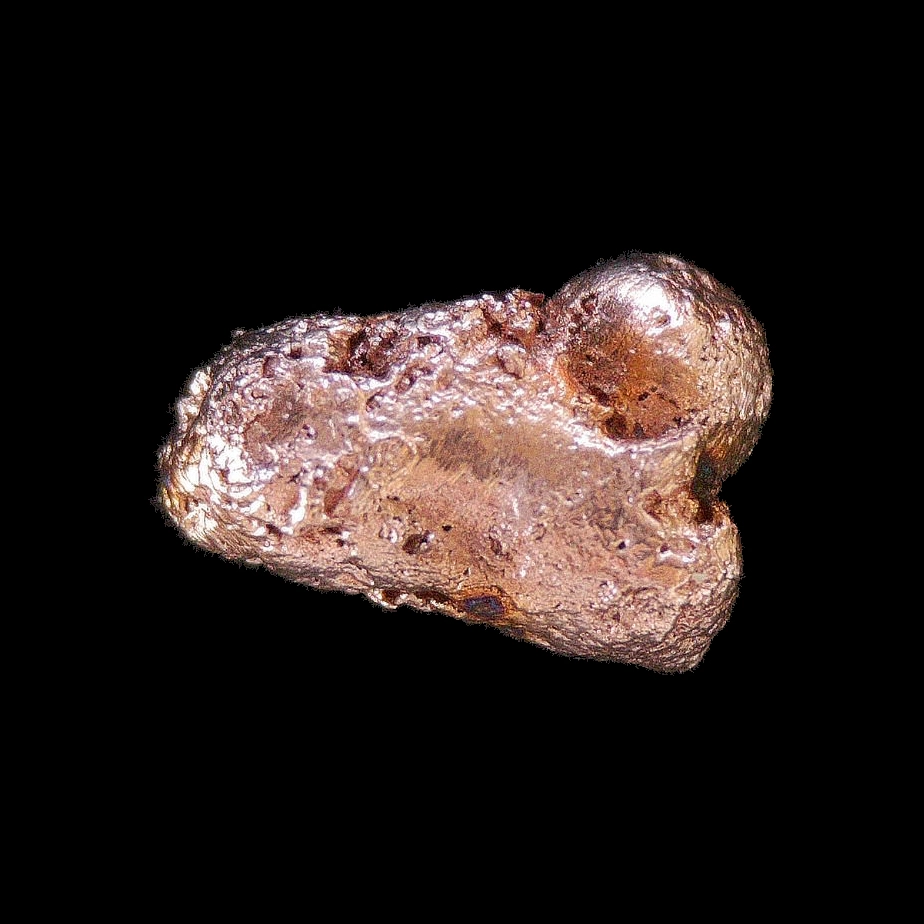
162-1.webp

The sixth image is the ONLY known native iron nugget ever found (NOT Telluric) and is embedded in volcanic glass (still magnetic!!!):
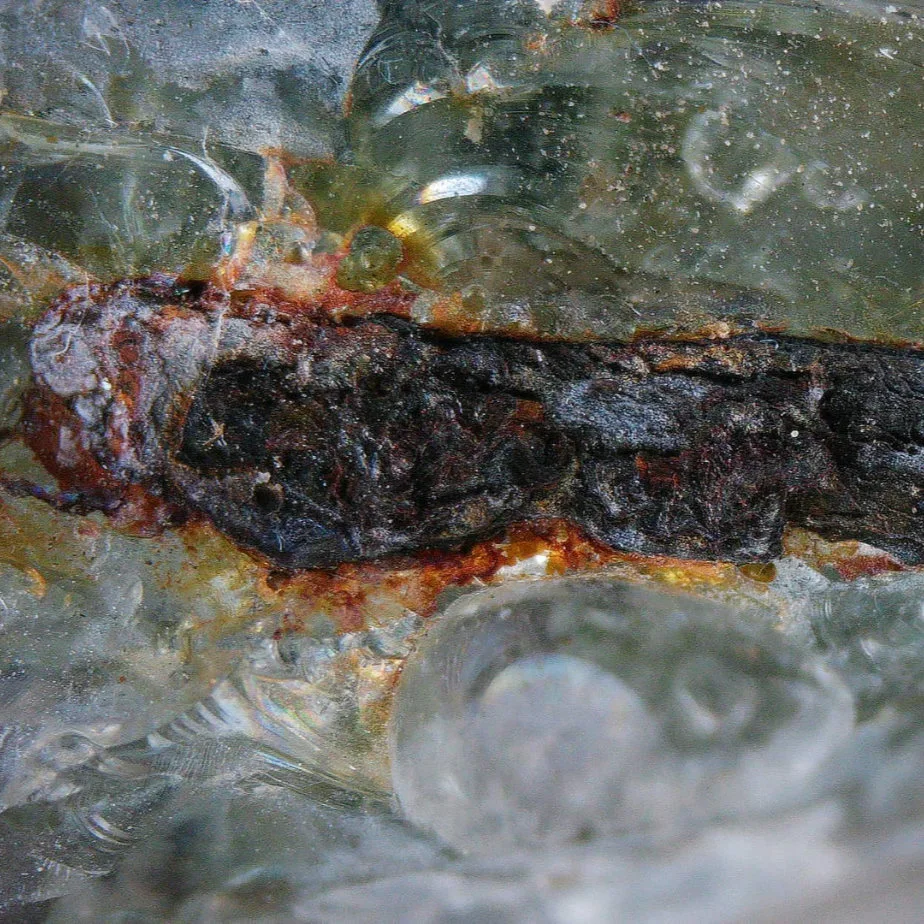
1-4.webp

31 nuggets have been analyzed by XRF and the largest aluminum nugget has been Certified by XRF. 20 more will be analyzed in May. I made the find with a DR.ÖTEK metal detector and have continued to find metal with a Minelab Equinox 900 metal detector. You can read all about the find at https://www.raremineralsforsale.com/.
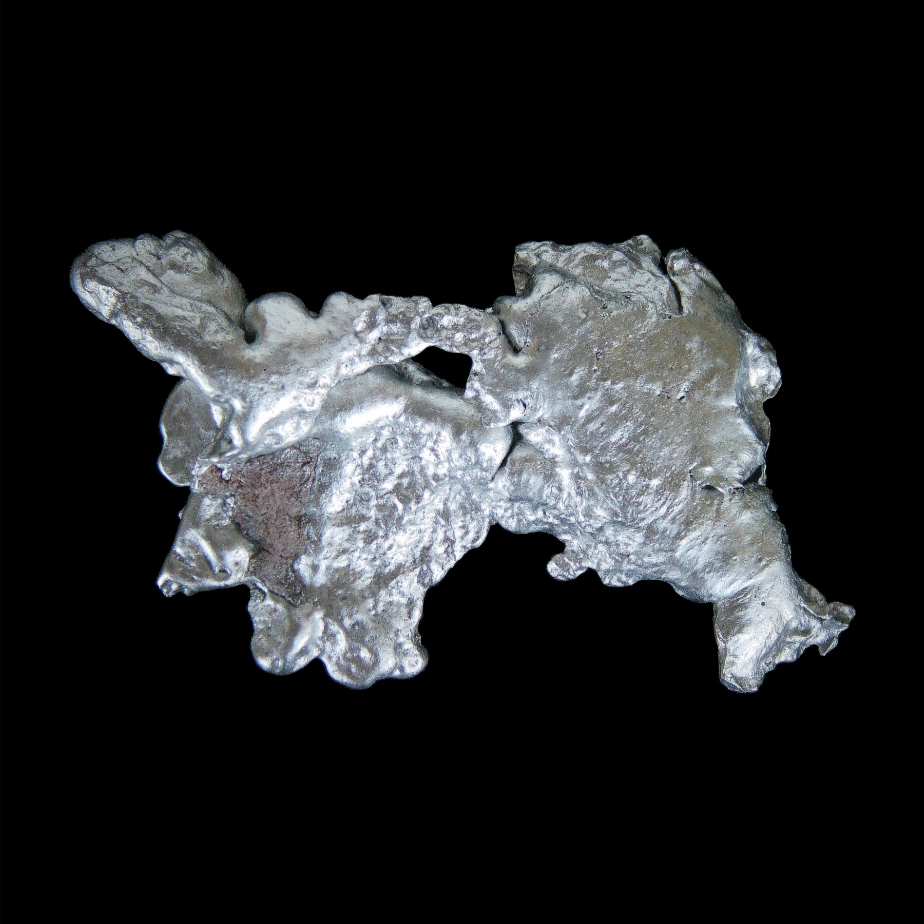
31-1.webp

The 818 gram native aluminum nugget. An unofficial world record. Massive for any native metal nugget.
 
Last edited:
I guess I'm most intrigued by the bronze, because of the necessity of tin to create it. Cassiterite (tin ore) is quite rare in North America. It can only combine with copper to create bronze once it has been crushed and subsequently heated to burn off the oxygen.
Most specimens have some tin in them. The deposit is very rare for sure. The Hf is what intrigued the guy who did the XRF's. He'd never seen that and it is valuable apparently. "It can only combine with copper to create bronze once it has been crushed and subsequently heated to burn off the oxygen." (i.e. Volcano).
 
Upvote 0
I guess I'm most intrigued by the bronze, because of the necessity of tin to create it. Cassiterite (tin ore) is quite rare in North America. It can only combine with copper to create bronze once it has been crushed and subsequently heated to burn off the oxygen.
From buying and selling 1000's of tons of non-ferrous in my lifetime.
I'm truly amazed that it can be just dug out of the earth like the OP claims.
Really this whole time from 2000BC they've been combining metals to make bronze, and right there in AZ it's already done.
Because the " Certified XRF" SAYS IT IS.
 
Upvote 0
So you are the 1st person on the planet that has recovered aluminum nuggets, brass nuggets, bronze nuggets, and a copper nuggets that looks like it was poured out of a crucible.
👏 Amazing 👏
Why isn't these recoveries in science digest or some other publications?
I think we've gotten to the bottom of your objection. You're annoyed because you aren't the one who first found something. No they do not look like they have been poured out of a crucible. Most were heavily corroded with minerals and inorganic salts and you can see that on the find page . You can see sulfuric acid decomposition everywhere. You can see gaseous bubbles in some and not in others. Molten metal poured out of a crucible doesn't look like the image below:
158-1.webp

You've got too many holes in your argument. https://www.raremineralsforsale.com/the-find.php shows raw nuggets straight from the ground with heavy corrosion from sulfuric acid. These clearly weren't poured. Regarding the scientific publication, what don't you understand? I found the deposit. I documented it. I've got 31 specimens analyzed. That's all that has been done so far. I've got uncleaned nuggets for study but I'm looking for a university that has a vulcanology program, not you.
 
Upvote 0
I think we've gotten to the bottom of your objection. You're annoyed because you aren't the one who first found something. No they do not look like they have been poured out of a crucible. Most were heavily corroded with minerals and inorganic salts and you can see that on the find page . You can see sulfuric acid decomposition everywhere. You can see gaseous bubbles in some and not in others. Molten metal poured out of a crucible doesn't look like the image below: View attachment 2252655
You've got too many holes in your argument. https://www.raremineralsforsale.com/the-find.php shows raw nuggets straight from the ground with heavy corrosion from sulfuric acid. These clearly weren't poured. Regarding the scientific publication, what don't you understand? I found the deposit. I documented it. I've got 31 specimens analyzed. That's all that has been done so far. I've got uncleaned nuggets for study but I'm looking for a university that has a vulcanology program, not you.
Here are some of the uncleaned nugget images:
slide-show-1.webp

slide-show-2.webp

slide-show-7.webp

Very old.
 
Upvote 0
Upvote 0
I think we've gotten to the bottom of your objection. You're annoyed because you aren't the one who first found something. No they do not look like they have been poured out of a crucible. Most were heavily corroded with minerals and inorganic salts and you can see that on the find page . You can see sulfuric acid decomposition everywhere. You can see gaseous bubbles in some and not in others. Molten metal poured out of a crucible doesn't look like the image below: View attachment 2252655
You've got too many holes in your argument. https://www.raremineralsforsale.com/the-find.php shows raw nuggets straight from the ground with heavy corrosion from sulfuric acid. These clearly weren't poured. Regarding the scientific publication, what don't you understand? I found the deposit. I documented it. I've got 31 specimens analyzed. That's all that has been done so far. I've got uncleaned nuggets for study but I'm looking for a university that has a vulcanology program, not you.
Reminds me of those videos where they pour Molten aluminum down ant hills.
 
Upvote 0
Upvote 0
Well, I wish you best of luck on your endeavors then. Congrats on your newsworthy finds!
Thank you. I'll have 20 more nuggets analyzed this month and I'll post every piece of data I get. I'm sure I'll get a university to look at these since the starting material will be free.
 
Upvote 0
I think we've gotten to the bottom of your objection. You're annoyed because you aren't the one who first found something. No they do not look like they have been poured out of a crucible. Most were heavily corroded with minerals and inorganic salts and you can see that on the find page . You can see sulfuric acid decomposition everywhere. You can see gaseous bubbles in some and not in others. Molten metal poured out of a crucible doesn't look like the image below: View attachment 2252655
You've got too many holes in your argument. https://www.raremineralsforsale.com/the-find.php shows raw nuggets straight from the ground with heavy corrosion from sulfuric acid. These clearly weren't poured. Regarding the scientific publication, what don't you understand? I found the deposit. I documented it. I've got 31 specimens analyzed. That's all that has been done so far. I've got uncleaned nuggets for study but I'm looking for a university that has a vulcanology program, not you.
Give us the XRF Reading on each sample then if you claim that these are the real deal.
You made that claim.
 
Upvote 0
Give us the XRF Reading on each sample then if you claim that these are the real deal.
You made that claim.
Fair enough. Go to the home page at https://www.raremineralsforsale.com/ and scroll down to "Download Original XRF Batch Analyses:". There are four links to specimens 1-31 or you can use these links directly:
The first 31 nuggets that were analyzed were based on size and unique chemical and physical properties. These specimens will be analyzed next:
86
90
106
111
112
114
115
117
118
121
122
123
124
125
128
130
132
134
140
156
I will post the results here.
 
Upvote 0
Steve, I believe it is not unreasonable for others to question that which goes against
what science we currently have. That said, you do have some very unique items, and
are offering them for sale at some rather costly prices...certainly out of the range of
the common man.

Respectfully, extraordinary claims require extraordinary evidence to prove they are
indeed genuine. Perhaps you could submit some samples to a 3rd part laboratory for
testing and analysis. If genuine, the costs for the testing and analysis could easily be
absorbed in the asking prices of the nuggets. An XRF analysis is simply insufficient, IMO.

Being neither a chemist nor a geologist, however if I were in your shoes and having such
potentially valuable specimens, the investment in a righteous 3rd party analysis could
prove to be the confirmation of genuineness that a buyer at that price level might require.

I do wish you the best of luck in your efforts.
 
Upvote 0
Fair enough. Go to the home page at https://www.raremineralsforsale.com/ and scroll down to "Download Original XRF Batch Analyses:". There are four links to specimens 1-31 or you can use these links directly:
The first 31 nuggets that were analyzed were based on size and unique chemical and physical properties. These specimens will be analyzed next:
86
90
106
111
112
114
115
117
118
121
122
123
124
125
128
130
132
134
140
156
I will post the results here.
Based on the image provided and the XRF report for Sample 9 (labeled as 8/20 in the document viewer), here are the specific elemental readings:
## Sample 9: Left Table
This reading shows a high-aluminum base with significant "light element" content.

| Element | Weight % | +/- Error |
|---|---|---|
| Al (Aluminum) | 77.612 | 0.146 |
| LE (Light Elements*) | 20.207 | 0.139 |
| Cu (Copper) | 0.520 | 0.007 |
| Fe (Iron) | 0.447 | 0.008 |
| Cr (Chromium) | 0.321 | 0.013 |
| P (Phosphorus) | 0.241 | 0.019 |
| Si (Silicon) | 0.230 | 0.050 |
| Zn (Zinc) | 0.118 | 0.003 |
| Mn (Manganese) | 0.106 | 0.007 |

------------------------------
## Sample 9: Right Table (Trace Elements)
This second list focuses on much smaller concentrations (trace amounts) of other metals detected in the same sample.

| Element | Weight % | +/- Error |
|---|---|---|
| Mn (Manganese) | 0.106 | 0.007 |
| Ti (Titanium) | 0.070 | 0.012 |
| Hf (Hafnium) | 0.032 | 0.003 |
| V (Vanadium) | 0.024 | 0.007 |
| Cd (Cadmium) | 0.022 | 0.001 |
| Sb (Antimony) | 0.0158 | 0.0006 |
| Sn (Tin) | 0.0122 | 0.0006 |
| Pb (Lead) | 0.0094 | 0.0006 |
| Pd (Palladium) | 0.0080 | 0.0008 |

## Summary of Sample Composition

* Dominant Metal: Aluminum (77.6%).
* Non-Metal/Oxide Content: Light Elements (20.2%). This typically indicates the metal has oxidized or contains elements like Oxygen, Carbon, or Sodium that the XRF cannot identify individually.
* Alloy Components: The small amounts of Cu, Fe, Cr, and Mn are characteristic of recycled or industrial aluminum alloys.

Would you like me to pull the readings for any other specific sample number (1 through 20) from that document?
 
Last edited:

Upvote 0
Steve, I believe it is not unreasonable for others to question that which goes against
what science we currently have. That said, you do have some very unique items, and
are offering them for sale at some rather costly prices...certainly out of the range of
the common man.

Respectfully, extraordinary claims require extraordinary evidence to prove they are
indeed genuine. Perhaps you could submit some samples to a 3rd part laboratory for
testing and analysis. If genuine, the costs for the testing and analysis could easily be
absorbed in the asking prices of the nuggets. An XRF analysis is simply insufficient, IMO.

Being neither a chemist nor a geologist, however if I were in your shoes and having such
potentially valuable specimens, the investment in a righteous 3rd party analysis could
prove to be the confirmation of genuineness that a buyer at that price level might require.

I do wish you the best of luck in your efforts.
Thank you for your reply. My beef was people NOT looking at the data and giving a knee jerk reaction by just looking at the cleaned specimens. False accusations are not the same as questioning someone. If anyone has a recommendation for a different type of analysis and the place that does it please let me know. I only need 164 buyers, I have a strong global interest and I know the high end specimens will come from select buyers but the 0.1 gram specimens are listed at $80 without an XRF and if I get an XRF it adds $90 to the price. How low can one go to put that rare an item in a collection? Some of that cash is eaten up in document printing (COA, high resolution images), cleaning supplies, etc and they were painfully cleaned by hand. I put a lot into this. The low end doesn't sound unreasonable to me given all of this but the market will have the final answer. "the investment in a righteous 3rd party analysis could
prove to be the confirmation of genuineness that a buyer at that price level might require." I agree. Thanks.
 
Upvote 0
Based on the image provided and the XRF report for Sample 9 (labeled as 8/20 in the document viewer), here are the specific elemental readings:
## Sample 9: Left Table
This reading shows a high-aluminum base with significant "light element" content.

| Element | Weight % | +/- Error |
|---|---|---|
| Al (Aluminum) | 77.612 | 0.146 |
| LE (Light Elements*) | 20.207 | 0.139 |
| Cu (Copper) | 0.520 | 0.007 |
| Fe (Iron) | 0.447 | 0.008 |
| Cr (Chromium) | 0.321 | 0.013 |
| P (Phosphorus) | 0.241 | 0.019 |
| Si (Silicon) | 0.230 | 0.050 |
| Zn (Zinc) | 0.118 | 0.003 |
| Mn (Manganese) | 0.106 | 0.007 |

------------------------------
## Sample 9: Right Table (Trace Elements)
This second list focuses on much smaller concentrations (trace amounts) of other metals detected in the same sample.

| Element | Weight % | +/- Error |
|---|---|---|
| Mn (Manganese) | 0.106 | 0.007 |
| Ti (Titanium) | 0.070 | 0.012 |
| Hf (Hafnium) | 0.032 | 0.003 |
| V (Vanadium) | 0.024 | 0.007 |
| Cd (Cadmium) | 0.022 | 0.001 |
| Sb (Antimony) | 0.0158 | 0.0006 |
| Sn (Tin) | 0.0122 | 0.0006 |
| Pb (Lead) | 0.0094 | 0.0006 |
| Pd (Palladium) | 0.0080 | 0.0008 |

## Summary of Sample Composition

* Dominant Metal: Aluminum (77.6%).
* Non-Metal/Oxide Content: Light Elements (20.2%). This typically indicates the metal has oxidized or contains elements like Oxygen, Carbon, or Sodium that the XRF cannot identify individually.
* Alloy Components: The small amounts of Cu, Fe, Cr, and Mn are characteristic of recycled or industrial aluminum alloys.

Would you like me to pull the readings for any other specific sample number (1 through 20) from that document?
"Alloy Components: The small amounts of Cu, Fe, Cr, and Mn are characteristic of recycled or industrial aluminum alloys." But that doesn't mean that these specimens were from industrial sources, just typically characteristic for Cu, Fe, Cr, and Mn. Plus, let's talk about the expensive metals present. These metals are isolated from ore and they are not used in aluminum products. Pb is not used in our beer cans. Ti is used in aircraft. All those metals can't be from artificial sources. "Would you like me to pull the readings for any other specific sample number (1 through 20) from that document?" Everyone can read Au and actually at this stage you could put your energy into recommending a 3rd party lab. I need vulcanologists. You are clearly not qualified to make the call Au.
 
Upvote 0
"Alloy Components: The small amounts of Cu, Fe, Cr, and Mn are characteristic of recycled or industrial aluminum alloys." But that doesn't mean that these specimens were from industrial sources, just typically characteristic for Cu, Fe, Cr, and Mn. Plus, let's talk about the expensive metals present. These metals are isolated from ore and they are not used in aluminum products. Pb is not used in our beer cans. Ti is used in aircraft. All those metals can't be from artificial sources. "Would you like me to pull the readings for any other specific sample number (1 through 20) from that document?" Everyone can read Au and actually at this stage you could put your energy into recommending a 3rd party lab. I need vulcanologists. You are clearly not qualified to make the call Au.
My apologies Au. pepperj did that previous post. This is directed to him.
 
Upvote 0
My apologies Au. pepperj did that previous post. This is directed to him.
So pepperj, put your energy into a 3rd party lab recommendation. Your arguments are too weak and the conclusions you come to just don't align with the facts. So you moved some ore. I moved tons of bentonite clay in my day but that doesn't have anything to do with this find or the analyses.
 
Upvote 0
.I need vulcanologists. You are clearly not qualified to make the call Au.
I totally agree with you needing one. Maybe-just maybe he can provide you with what you seek.
Unknown-2.webp
 
Upvote 0

Users who are viewing this thread

Back
Top Bottom